I-Ching
The 64 hexagrams of the Yi Jing: the Chinese Book of Changes, oracle of transformation, foundation of Taoist thought.
In short
How do you consult the I-Ching?
The I-Ching answers a question through one of 64 hexagrams, traditionally obtained by casting coins or yarrow stalks. Each hexagram combines two trigrams and offers guidance on the situation and its movement; changing lines point to the evolving outcome.
🧬 Discover the Gene Keys
The 64 hexagrams become 64 keys of consciousness: calculate your Hologenetic Profile from your birth.
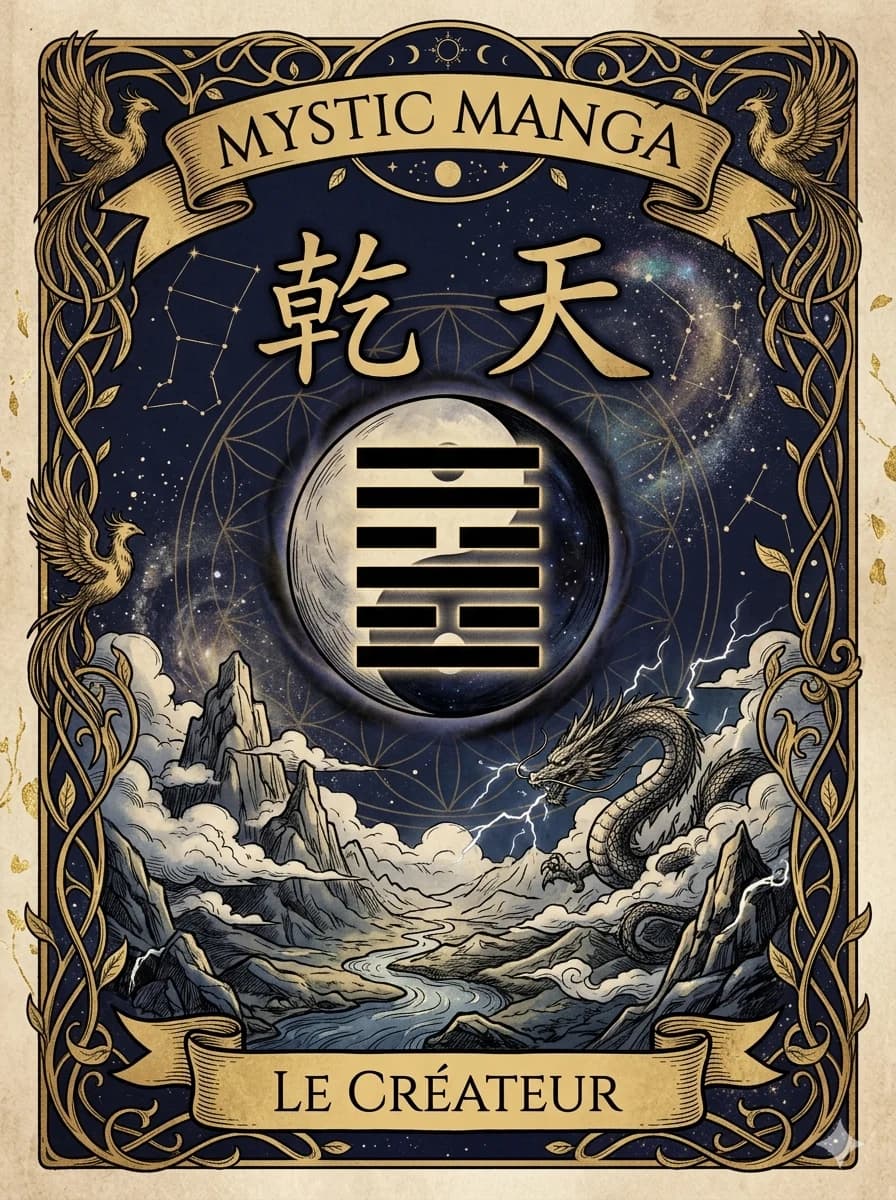
1The Creative
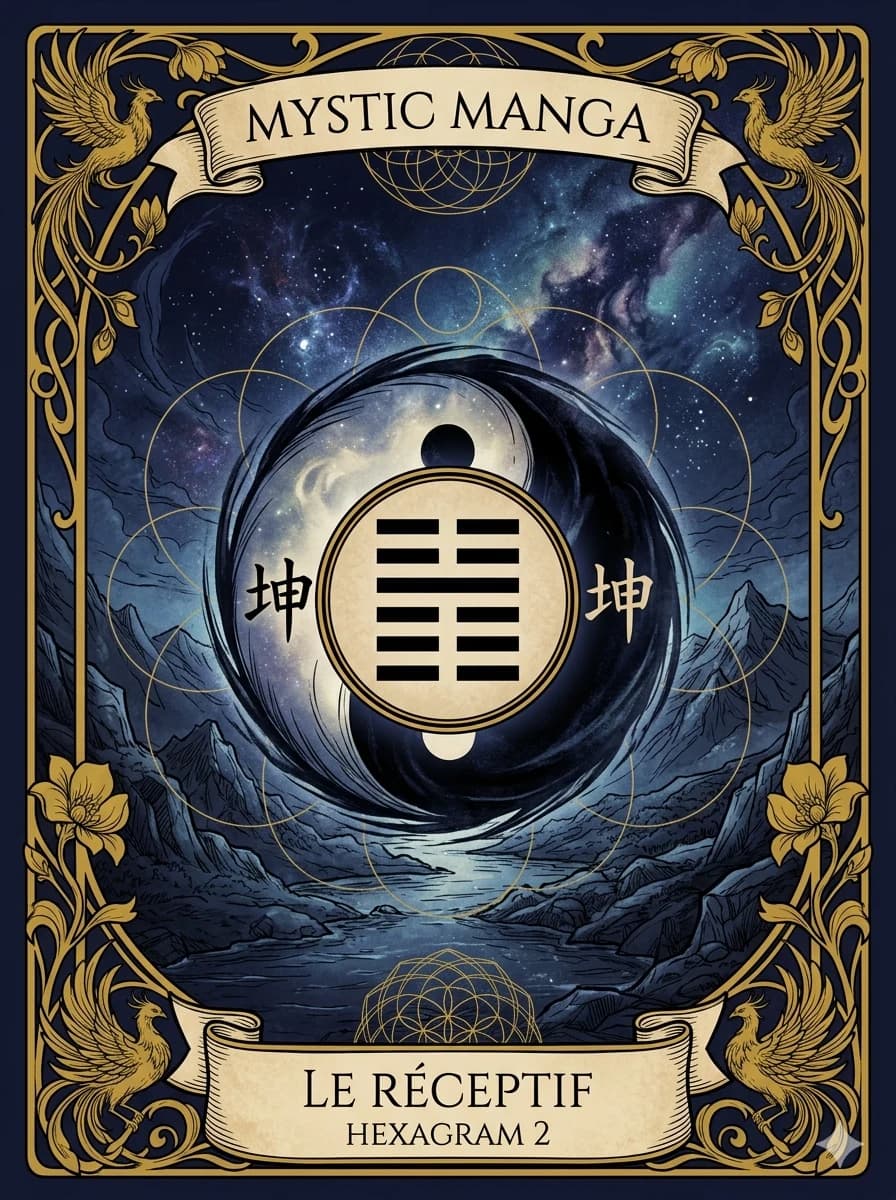
2The Receptive
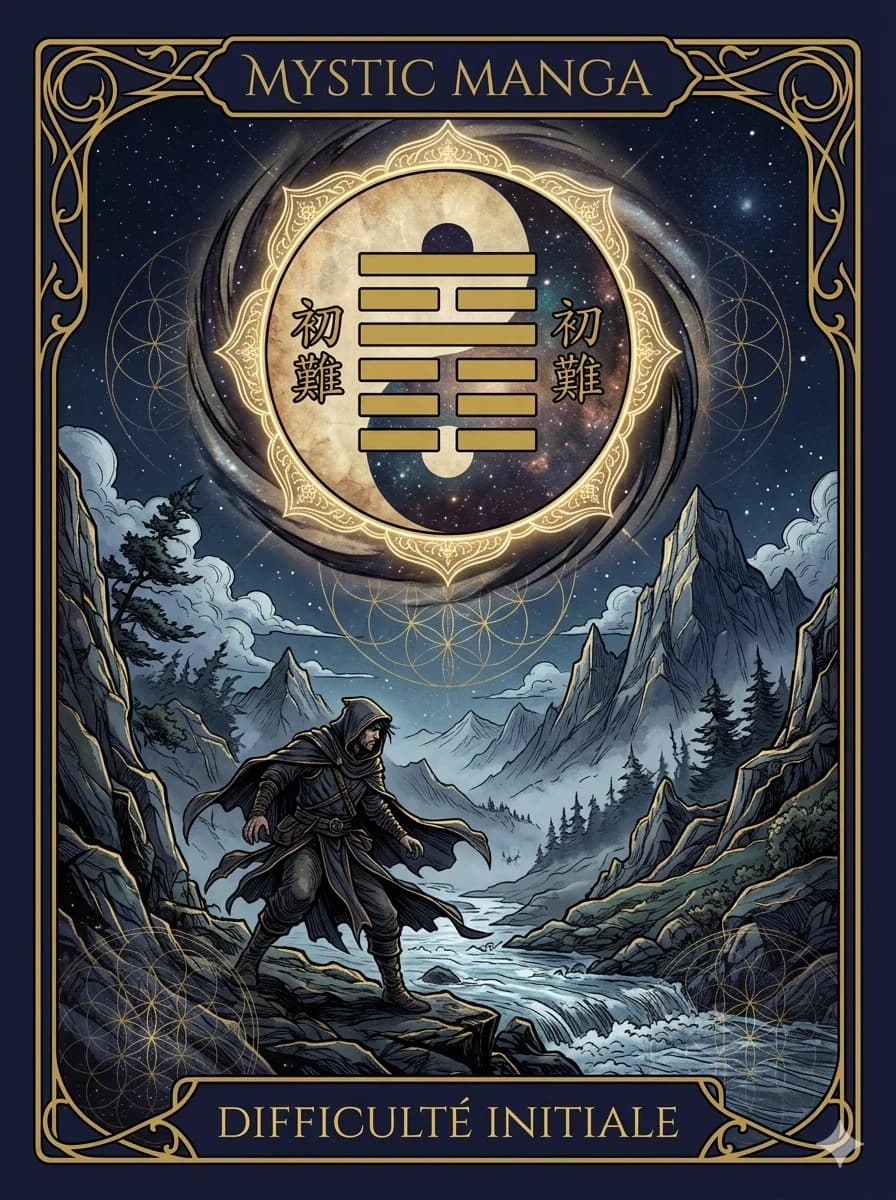
3Difficult Beginnings
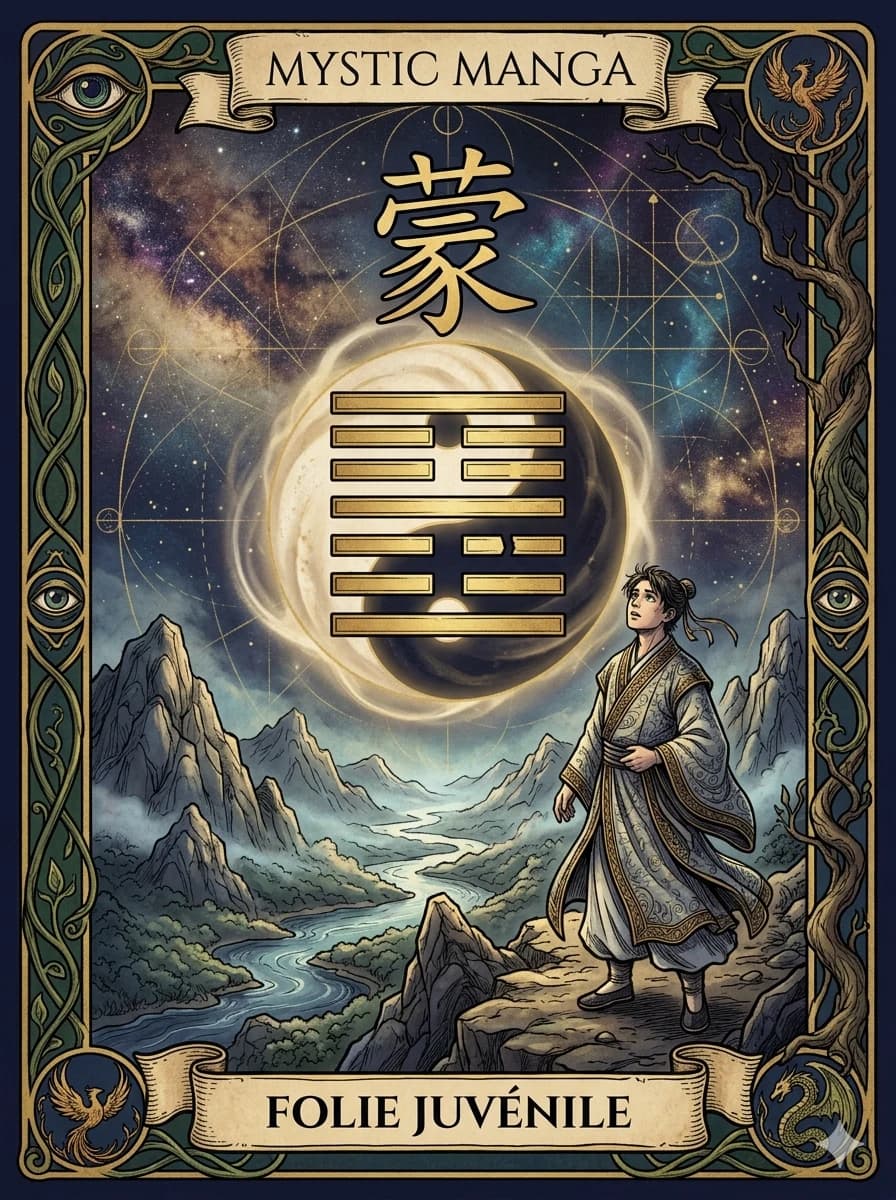
4Youthful Folly
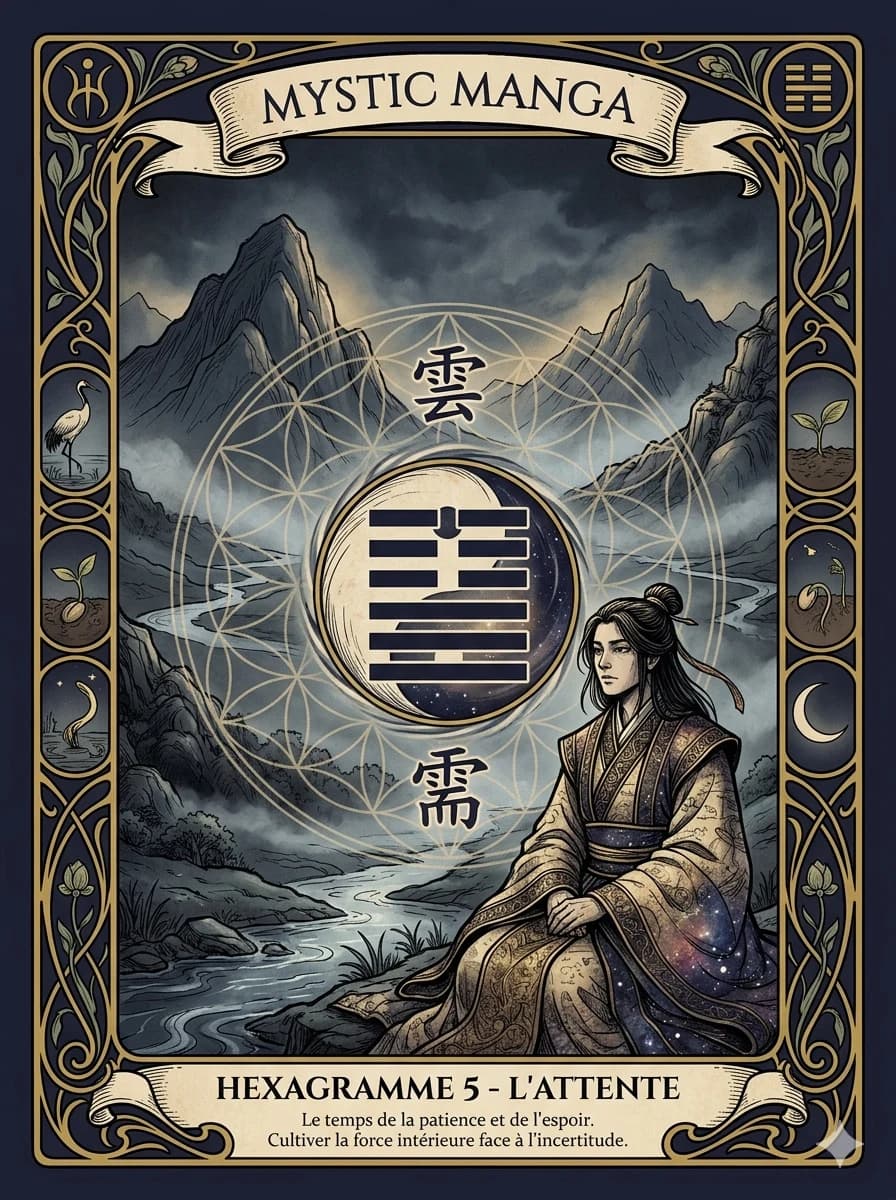
5Waiting
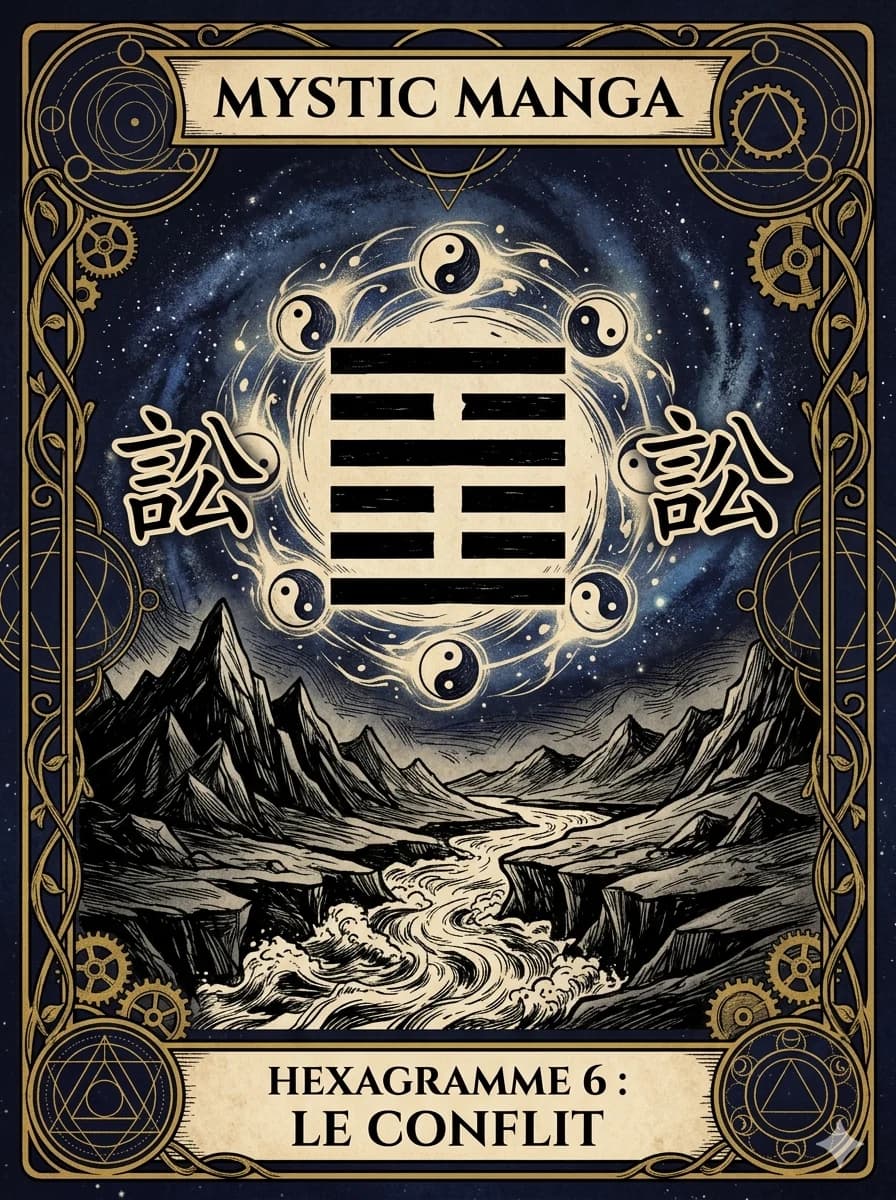
6Conflict
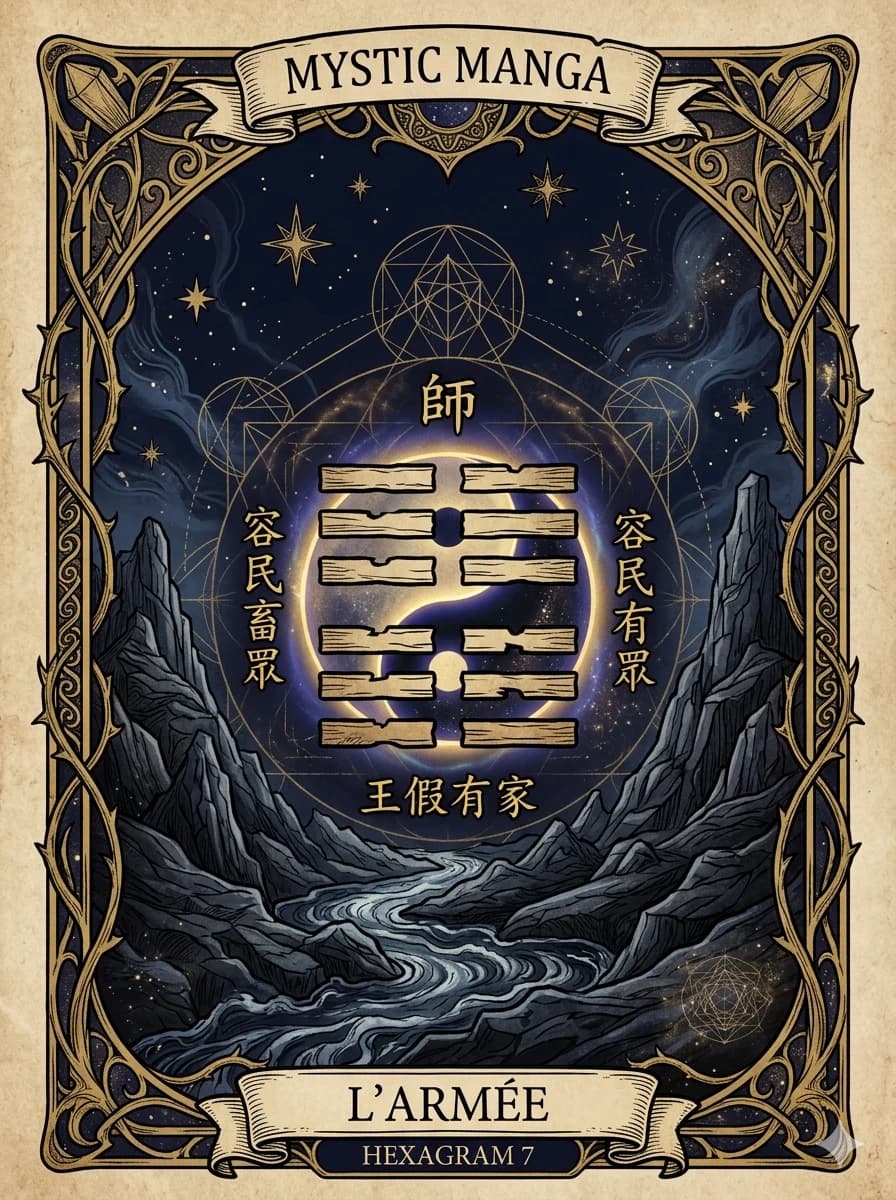
7The Army
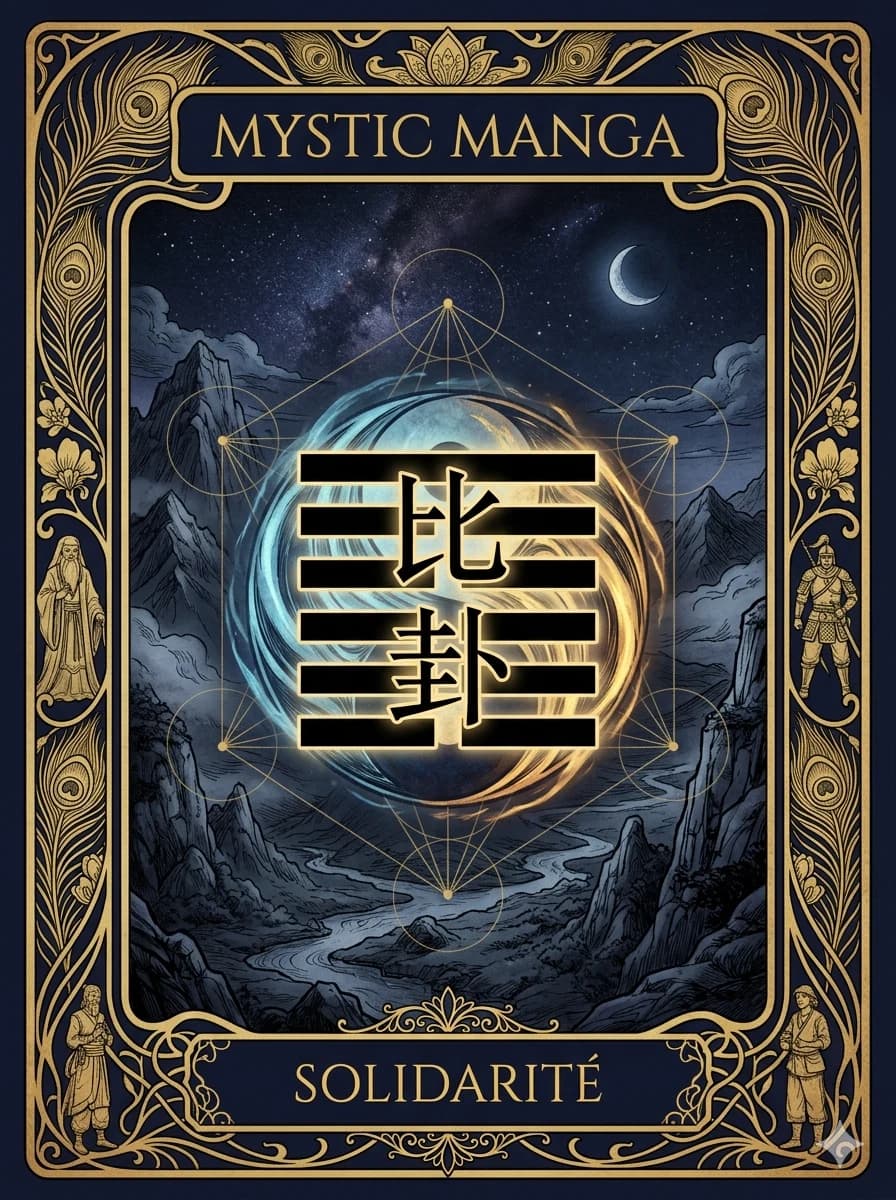
8Holding Together
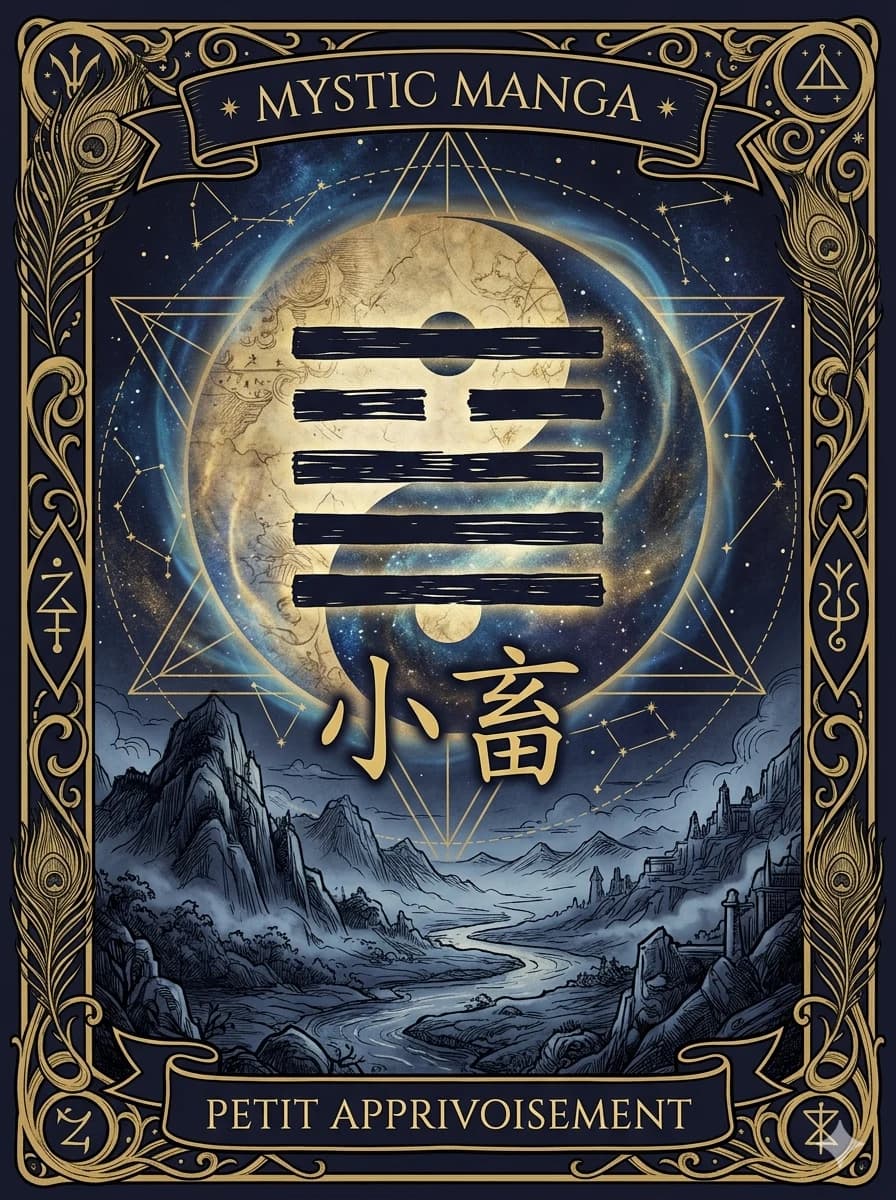
9The Taming Power of the Small
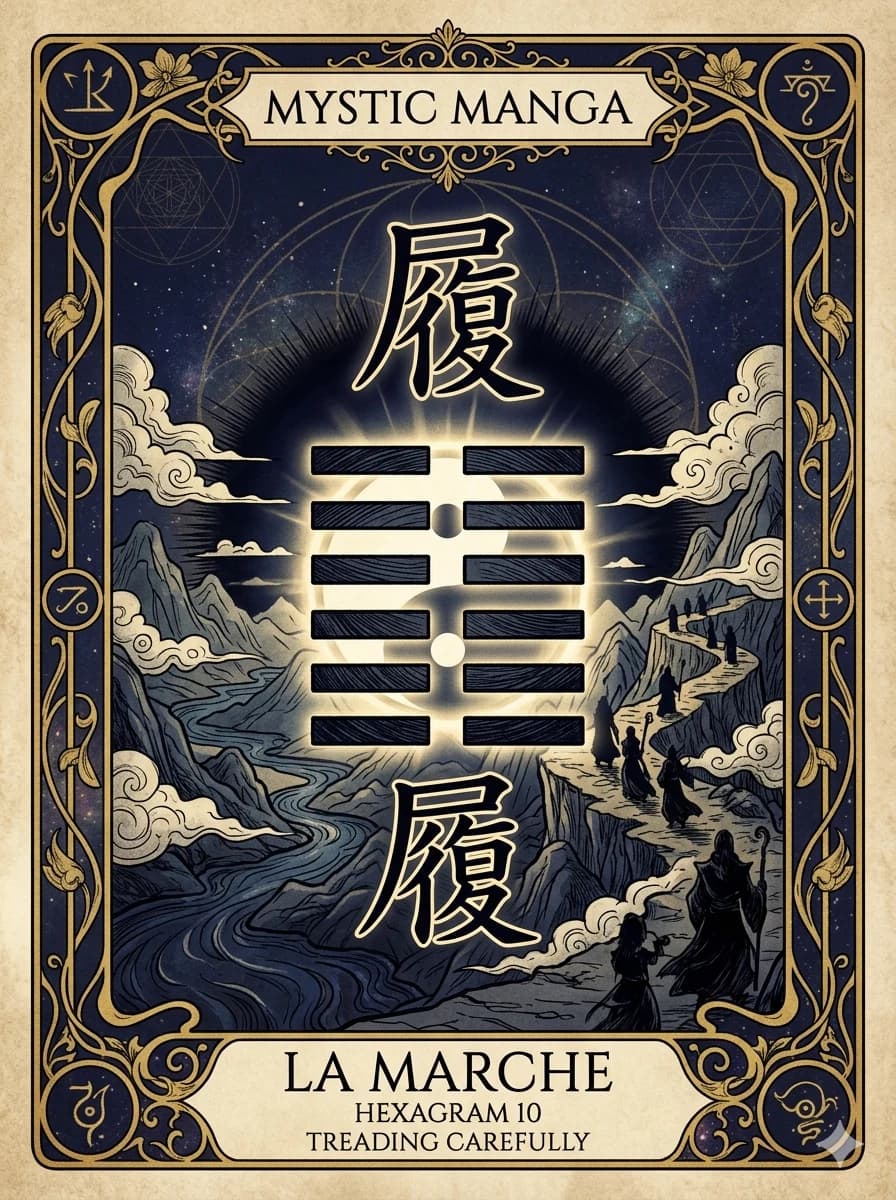
10Treading
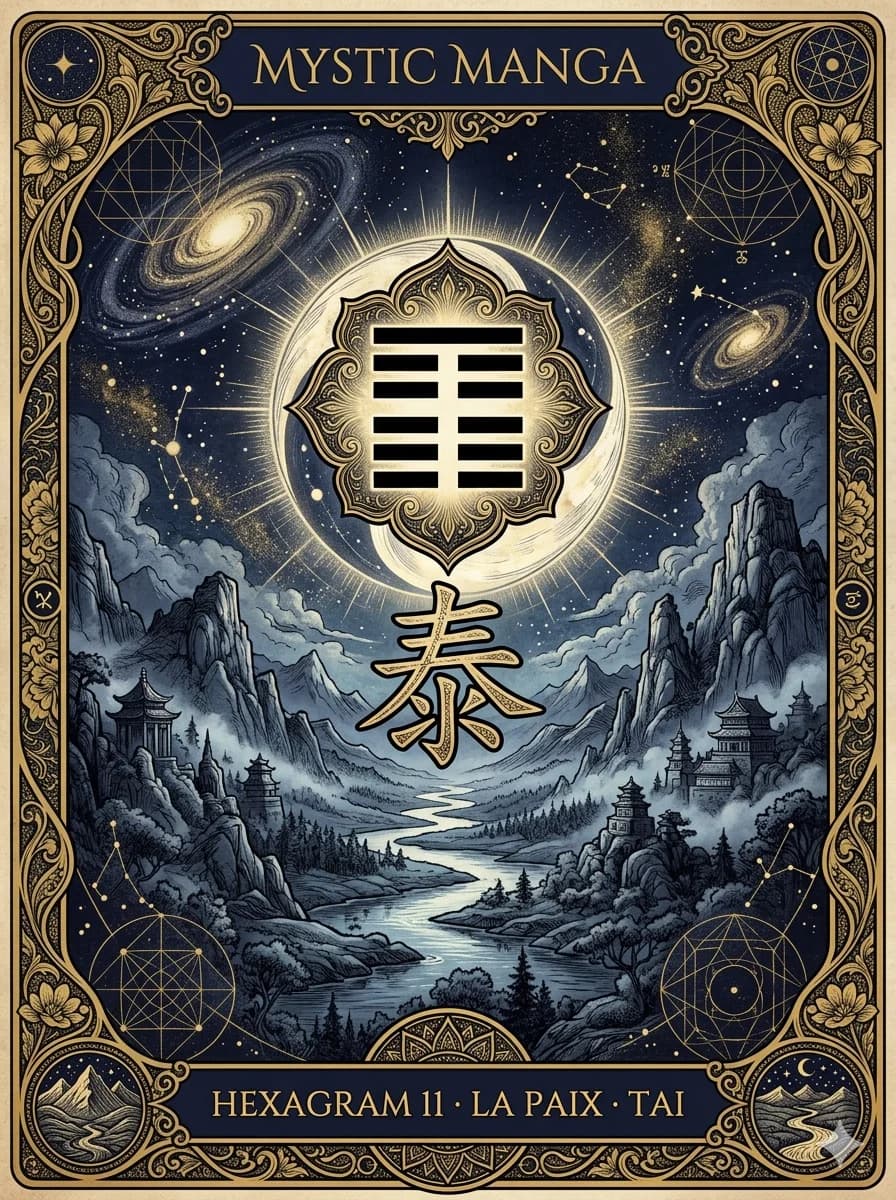
11Peace
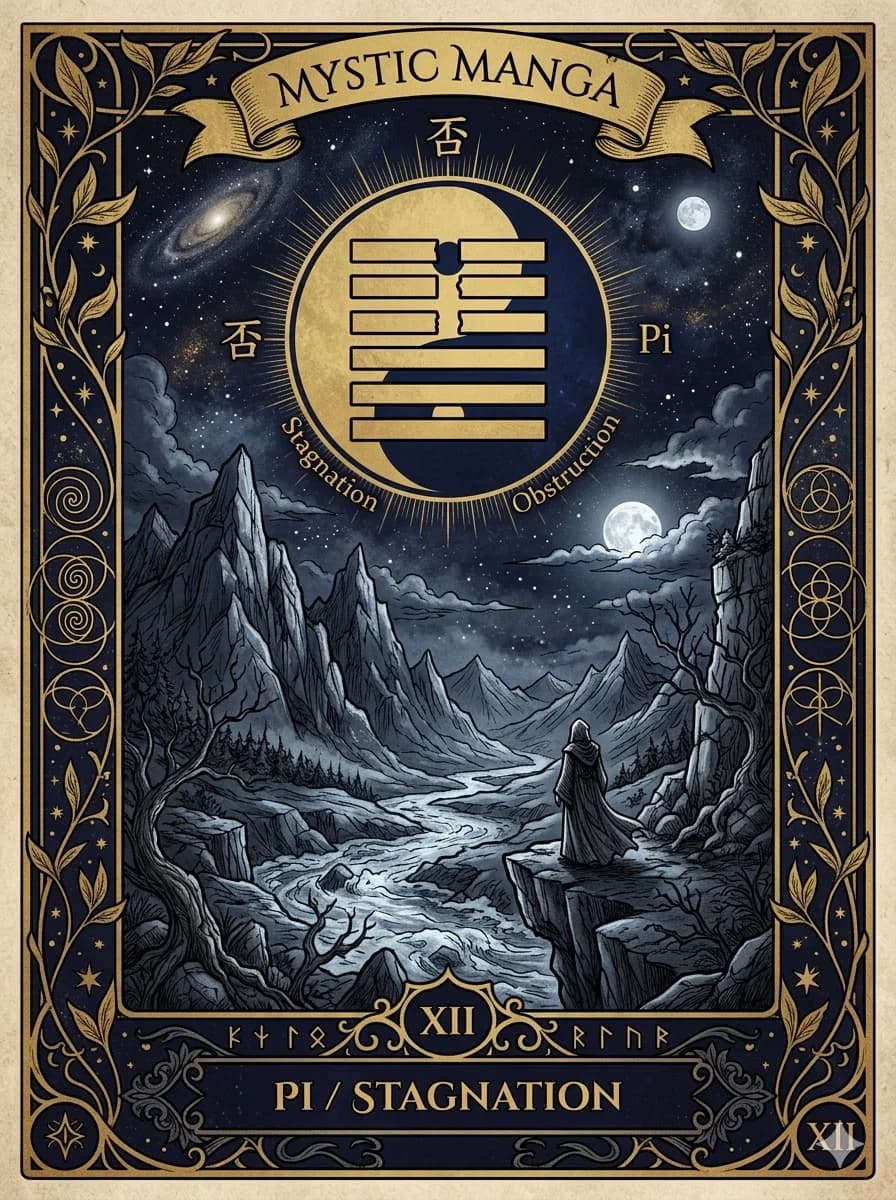
12Standstill
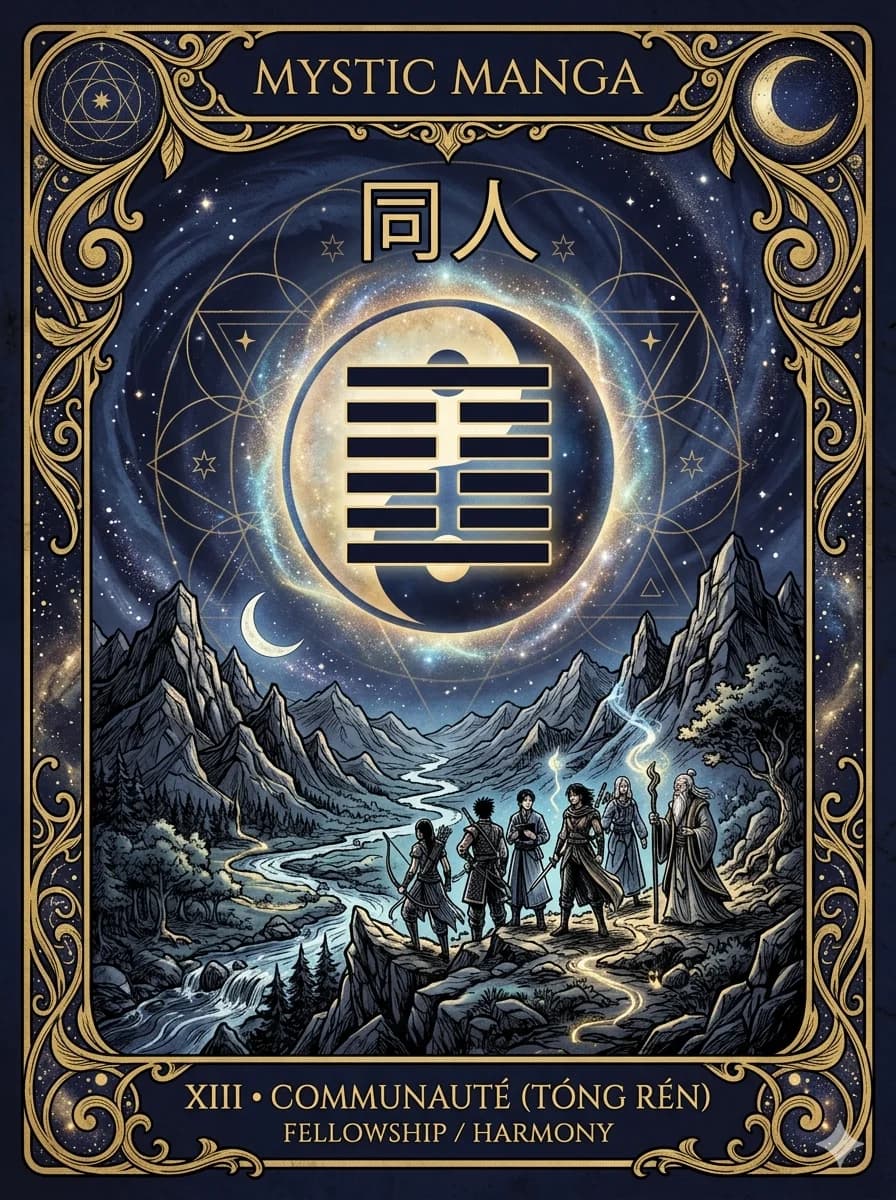
13Fellowship
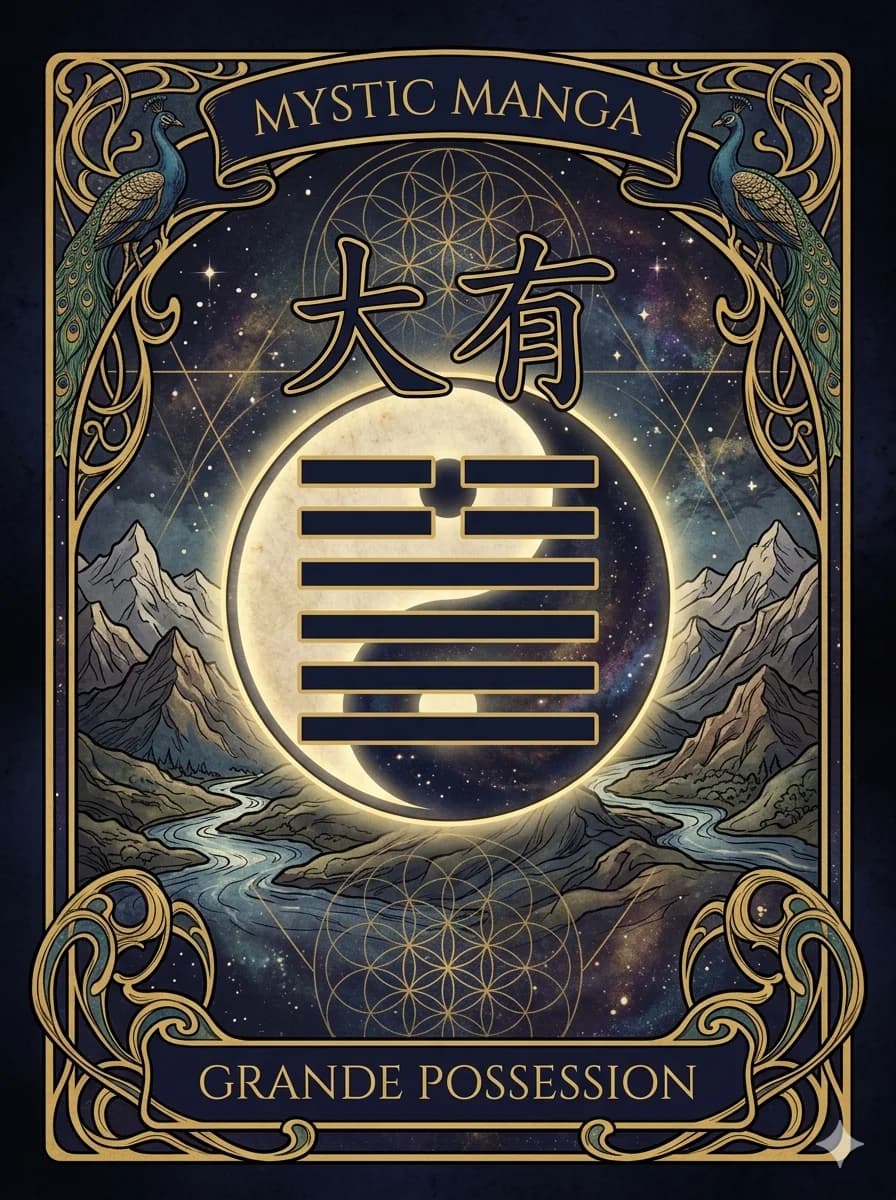
14Possession in Great Measure
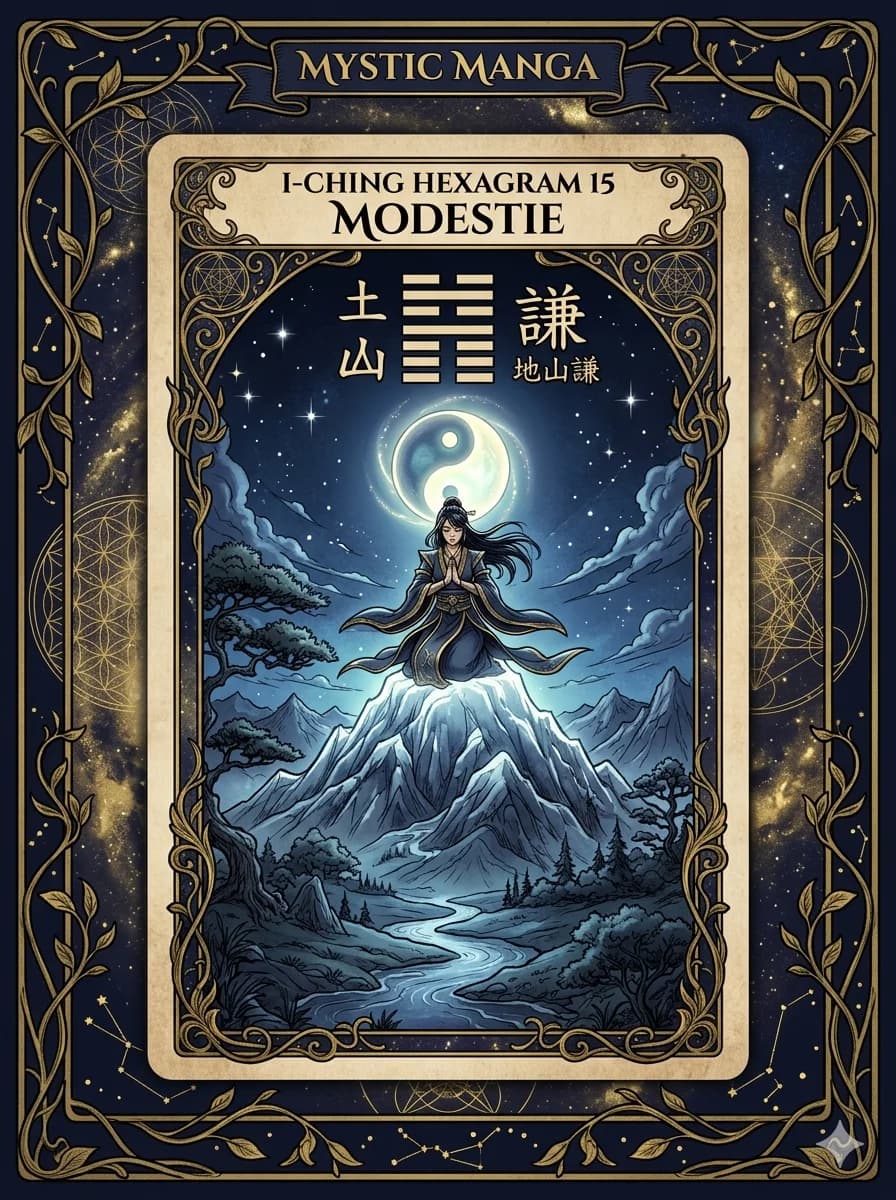
15Modesty
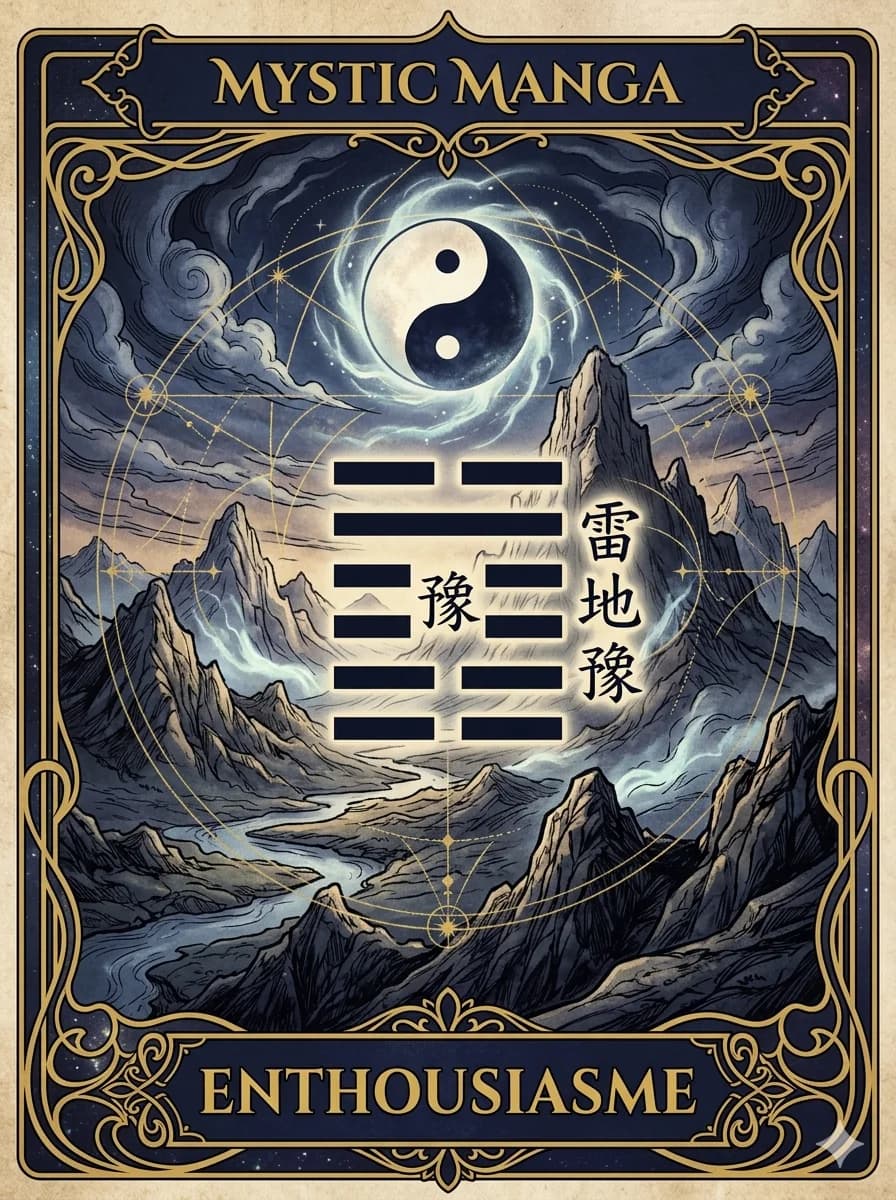
16Enthusiasm
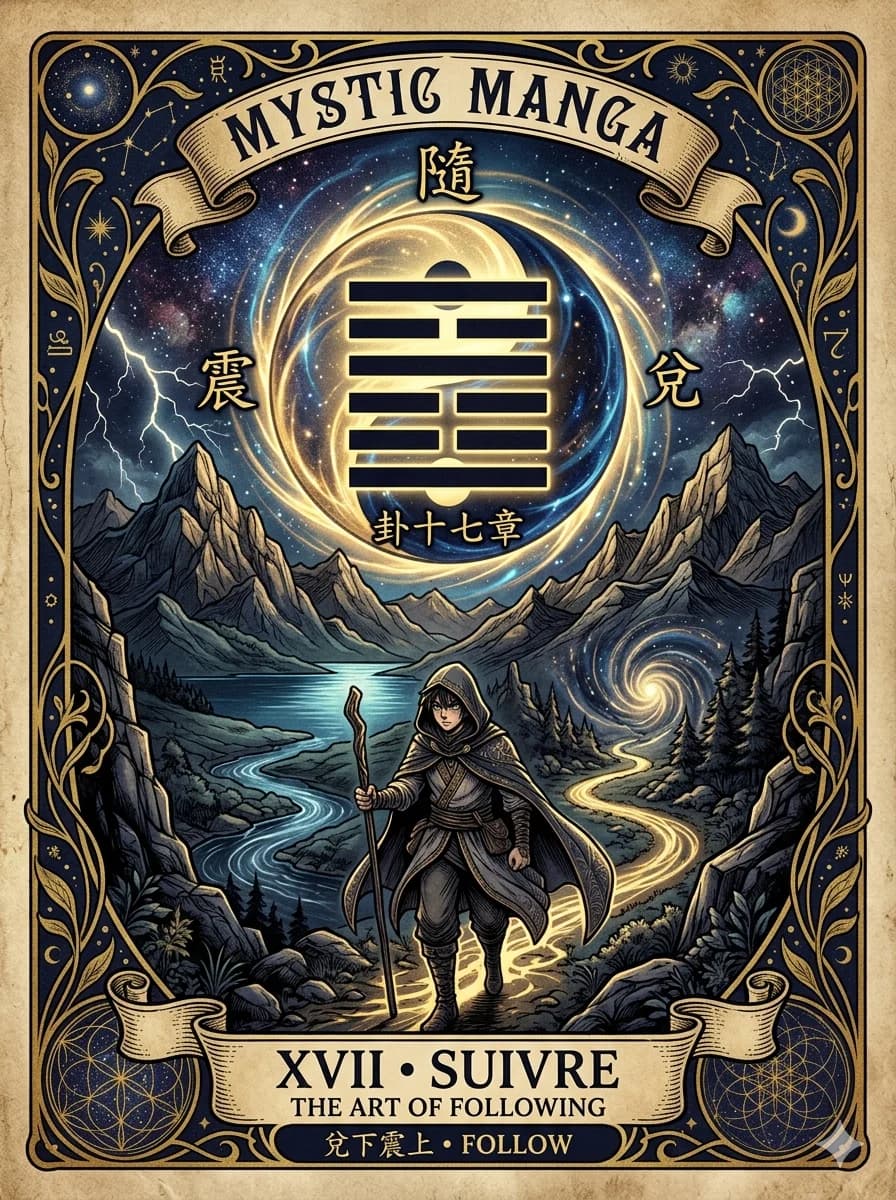
17Following
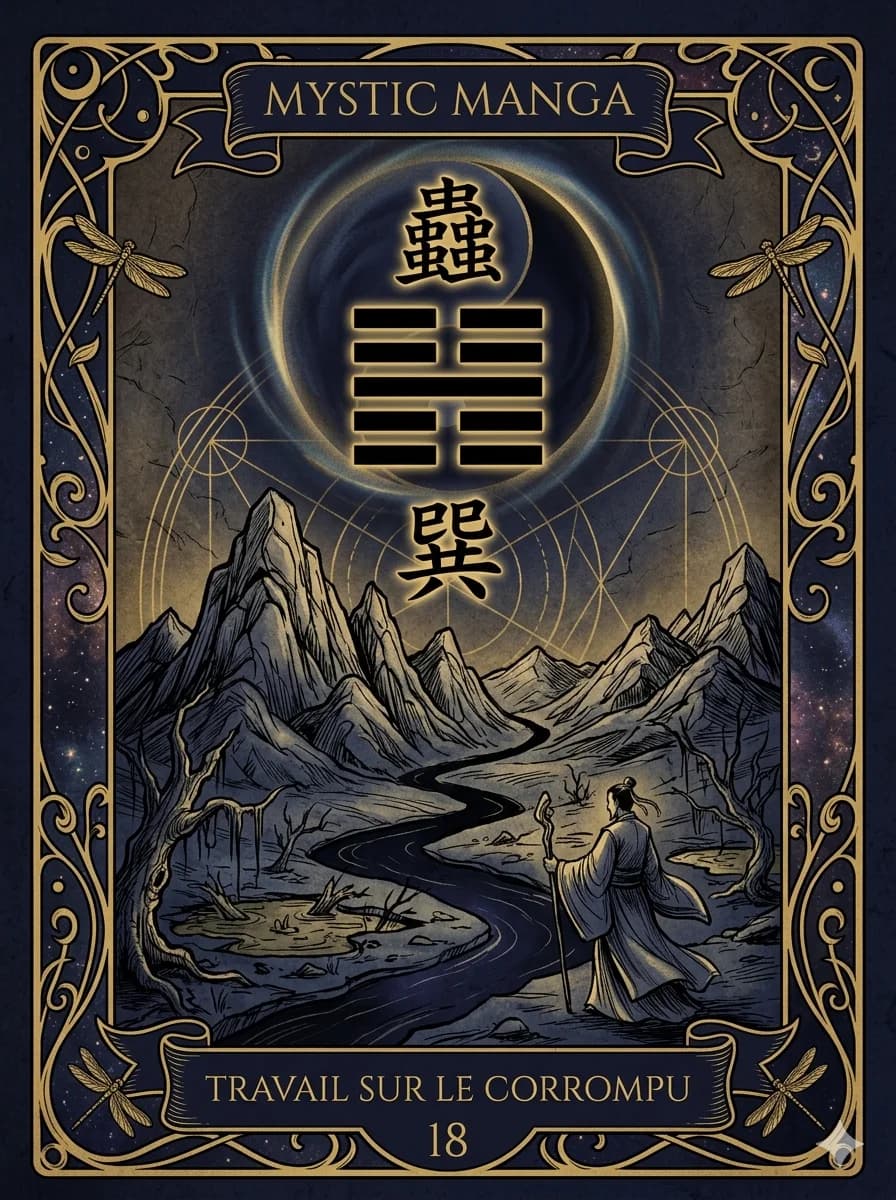
18Work on What Has Been Spoiled
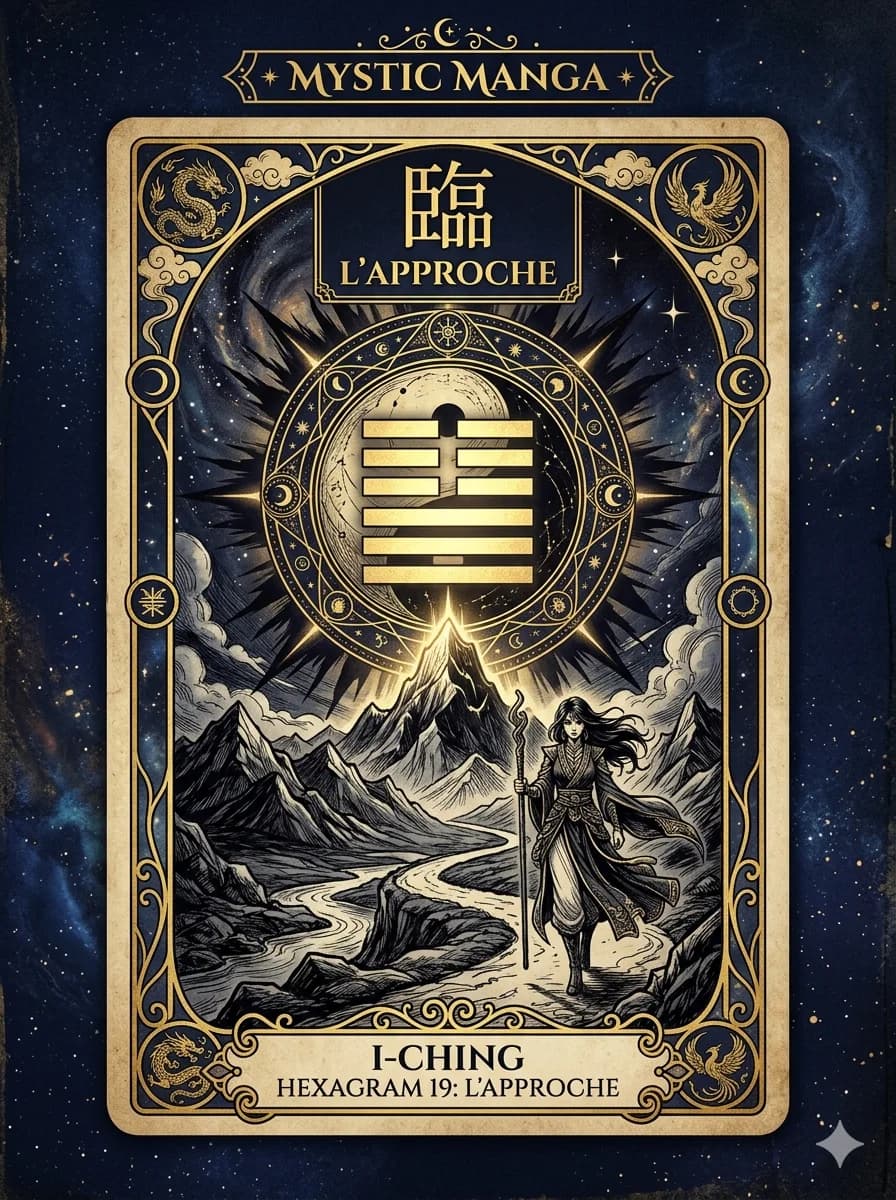
19Approach
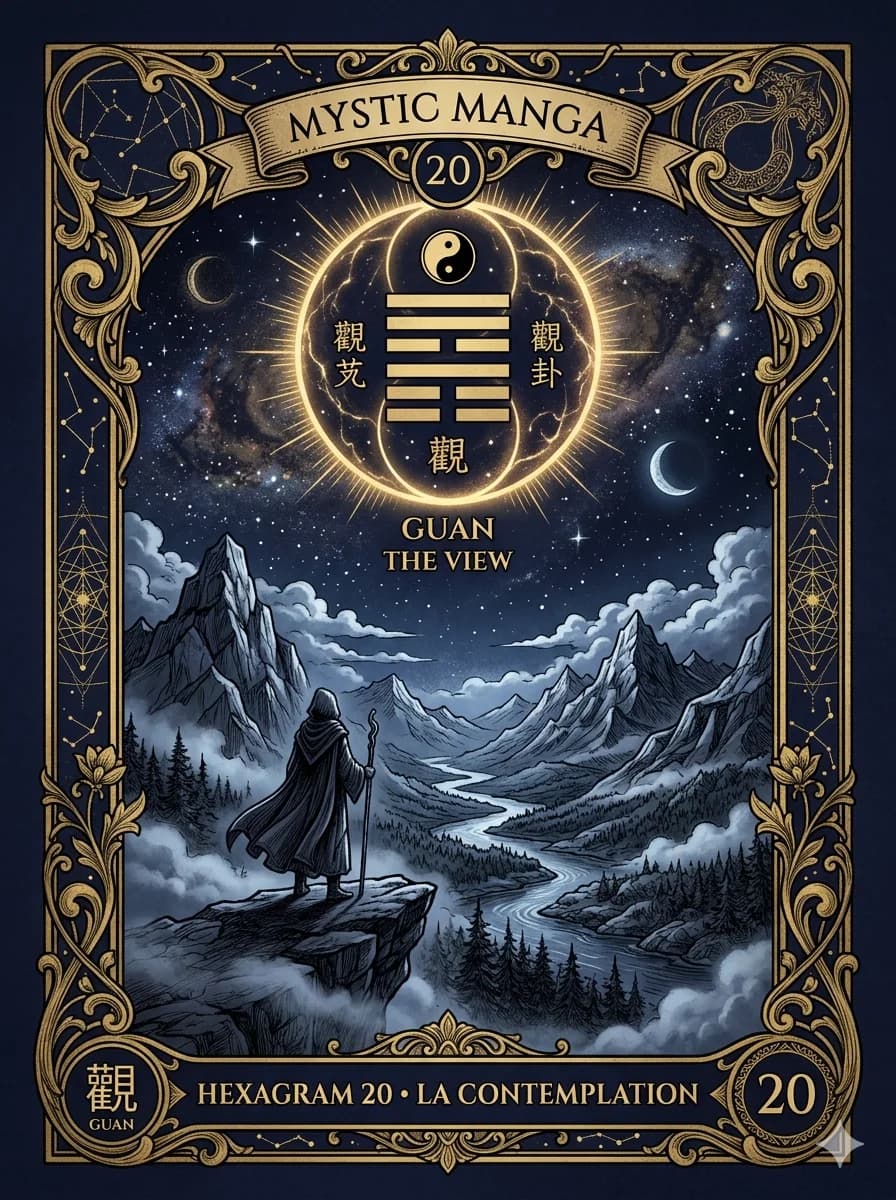
20Contemplation
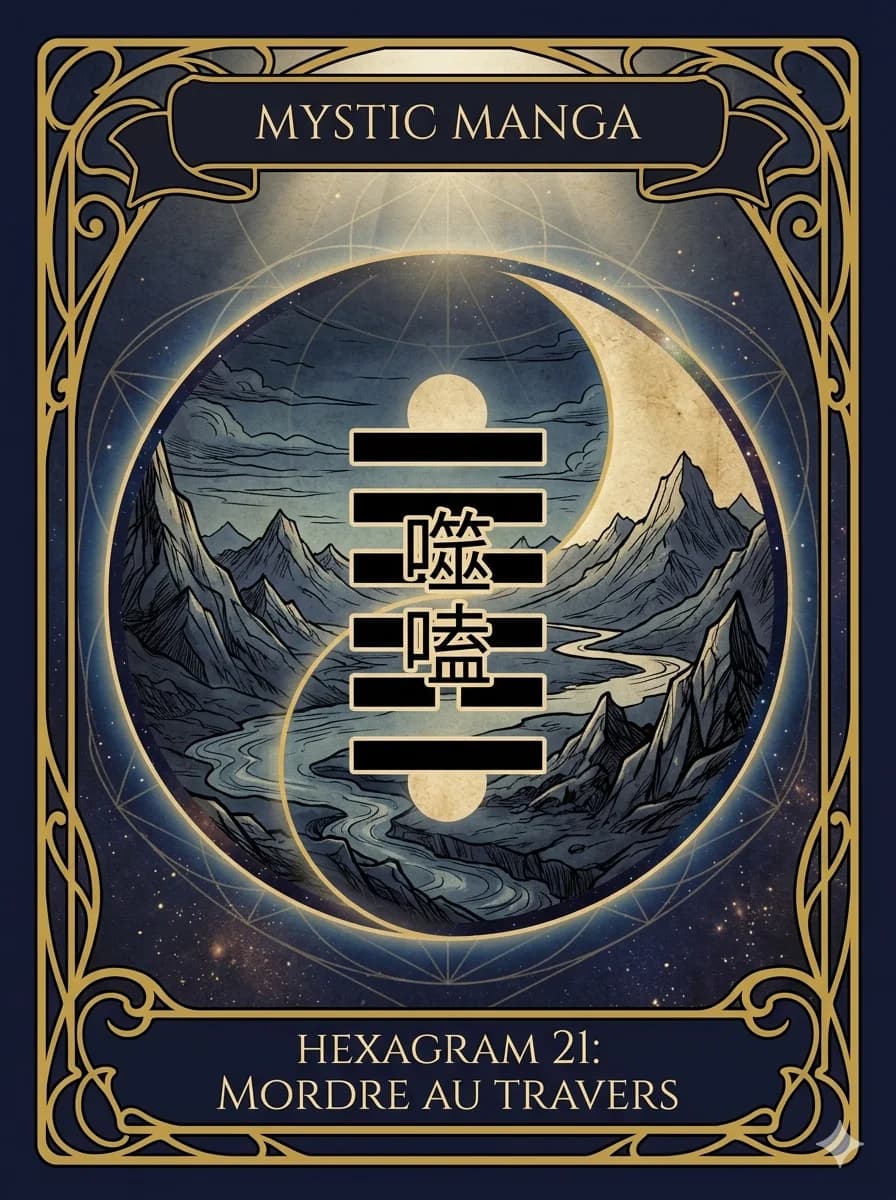
21Biting Through
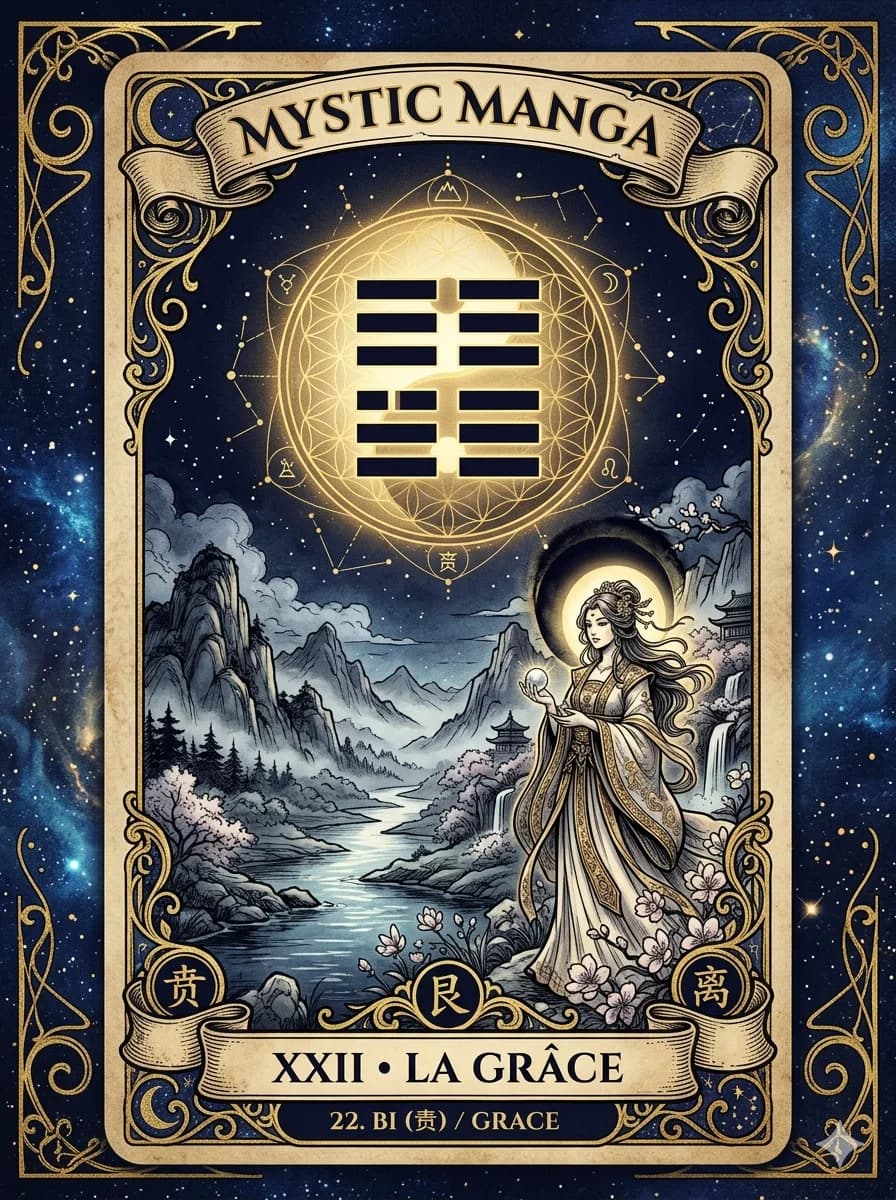
22Grace
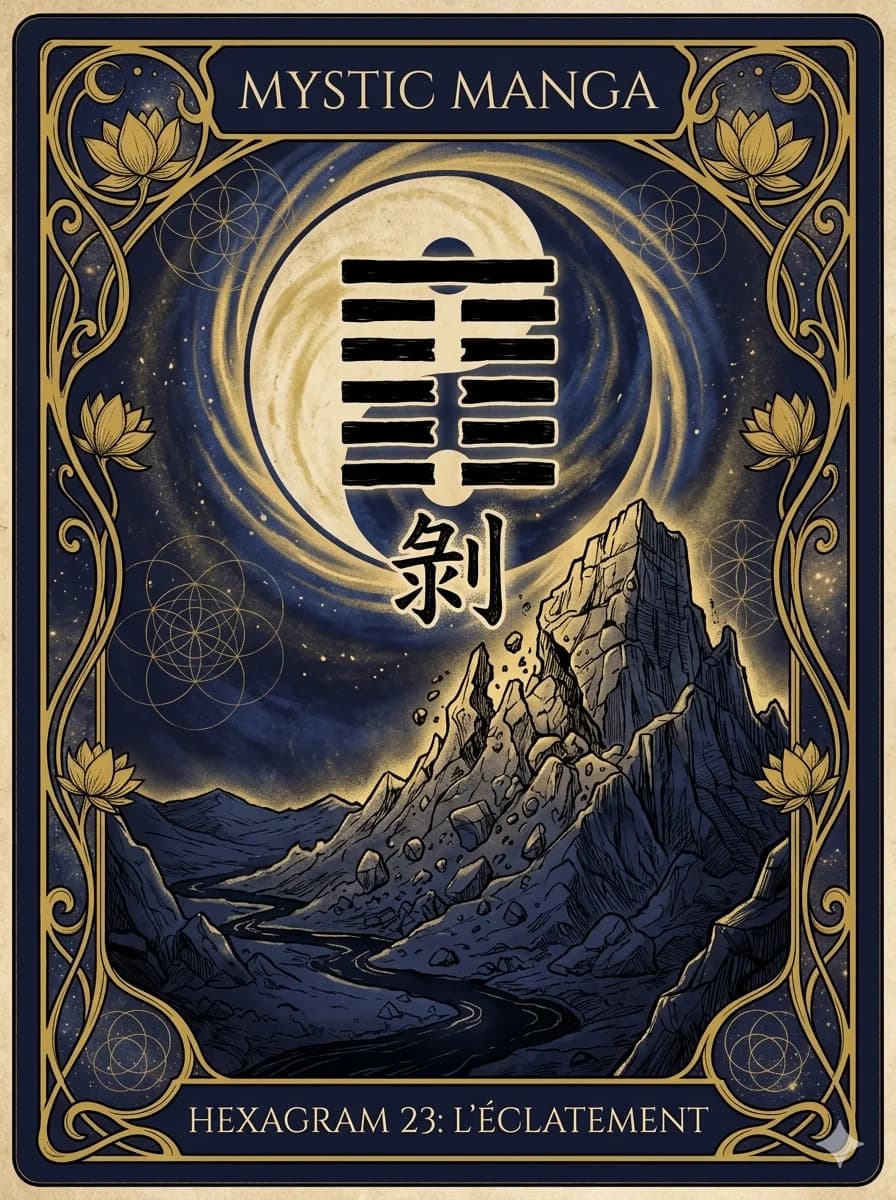
23Splitting Apart
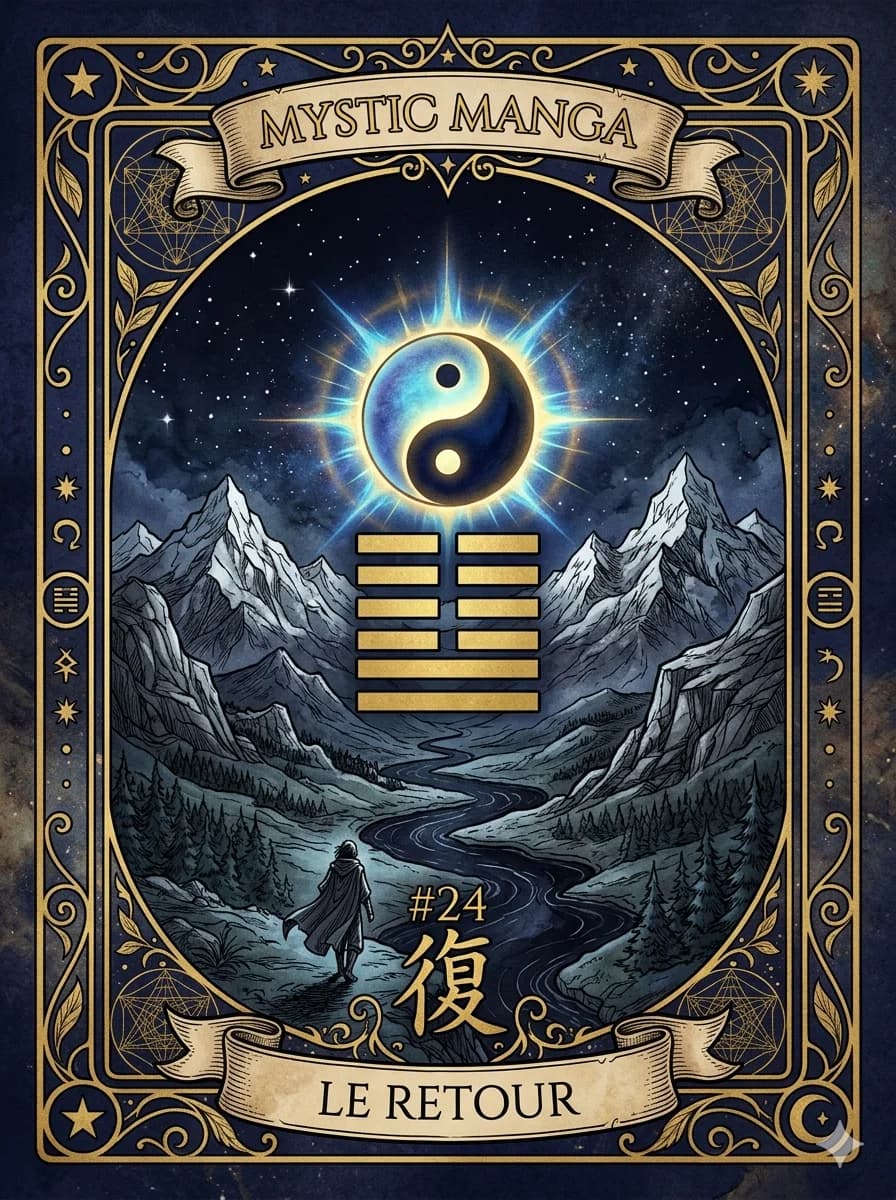
24Return
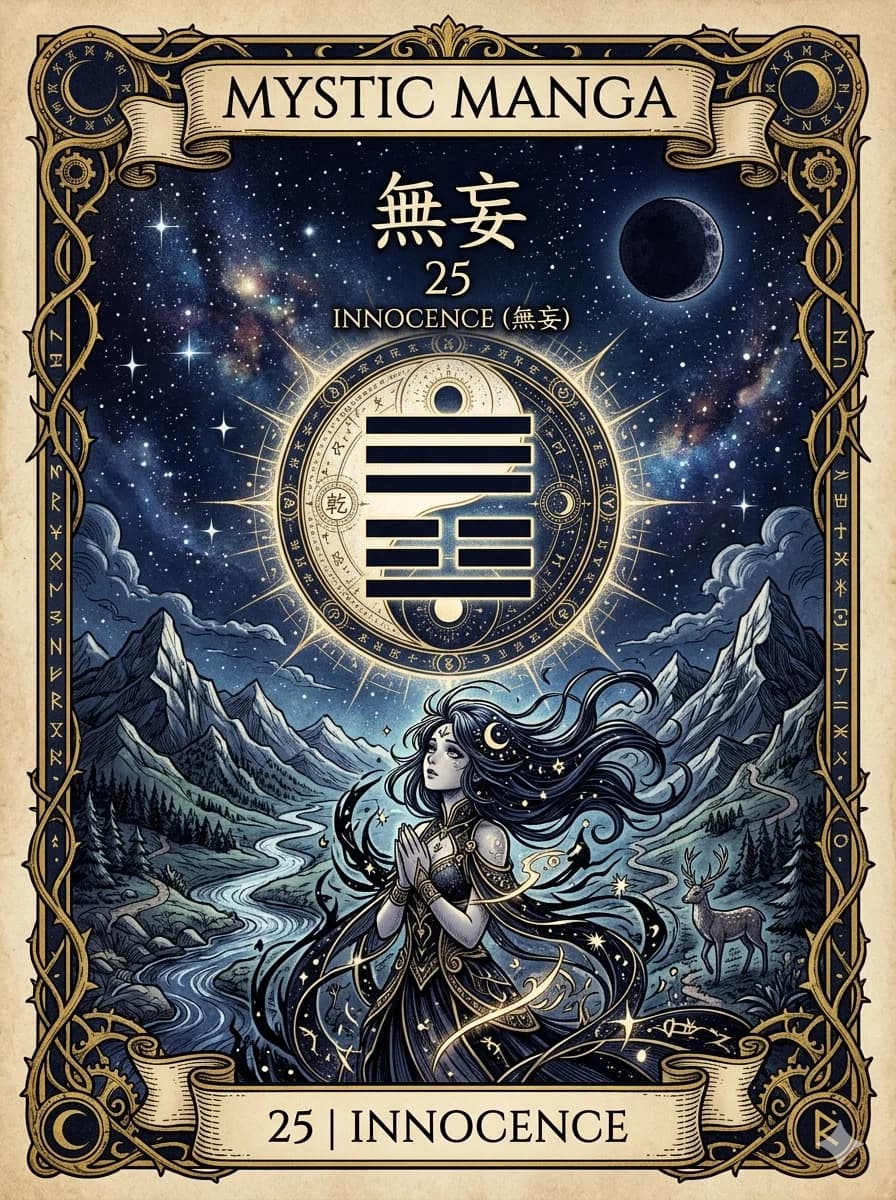
25Innocence
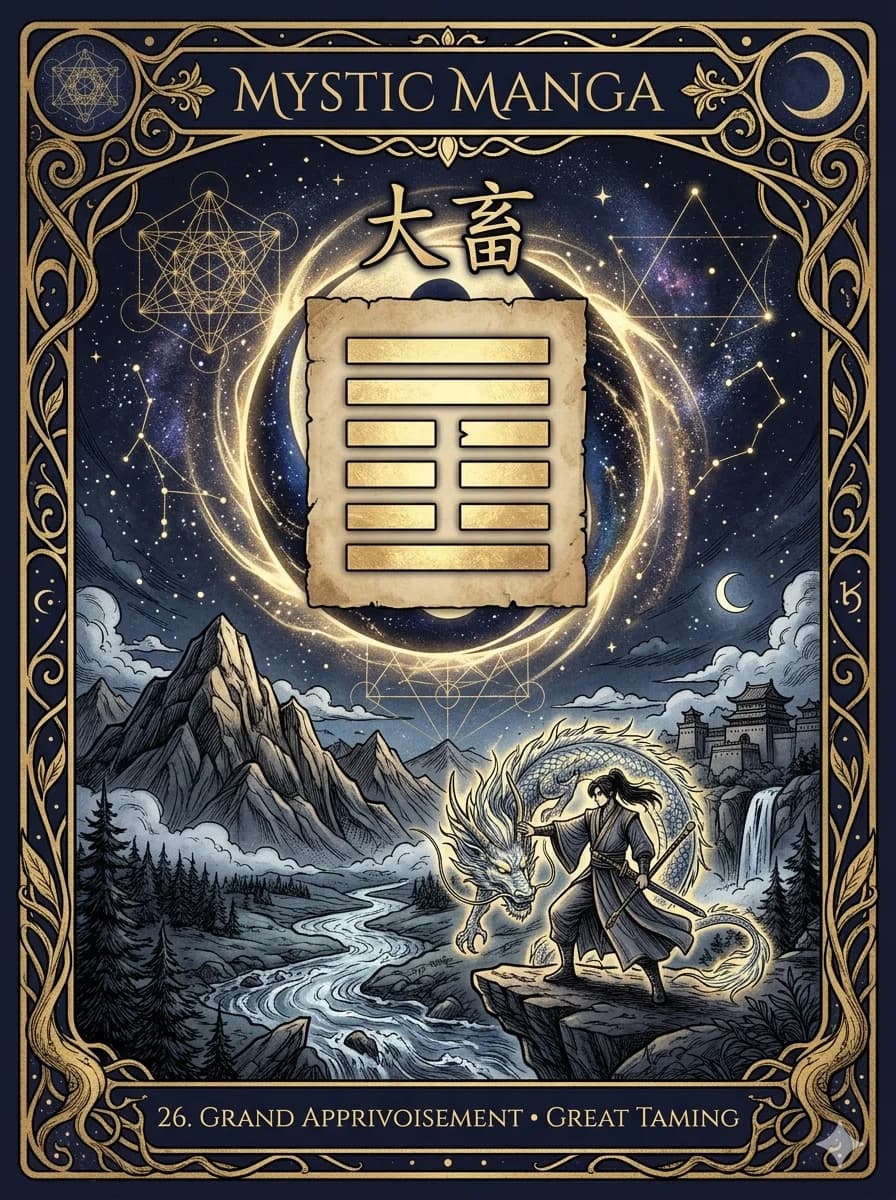
26The Taming Power of the Great
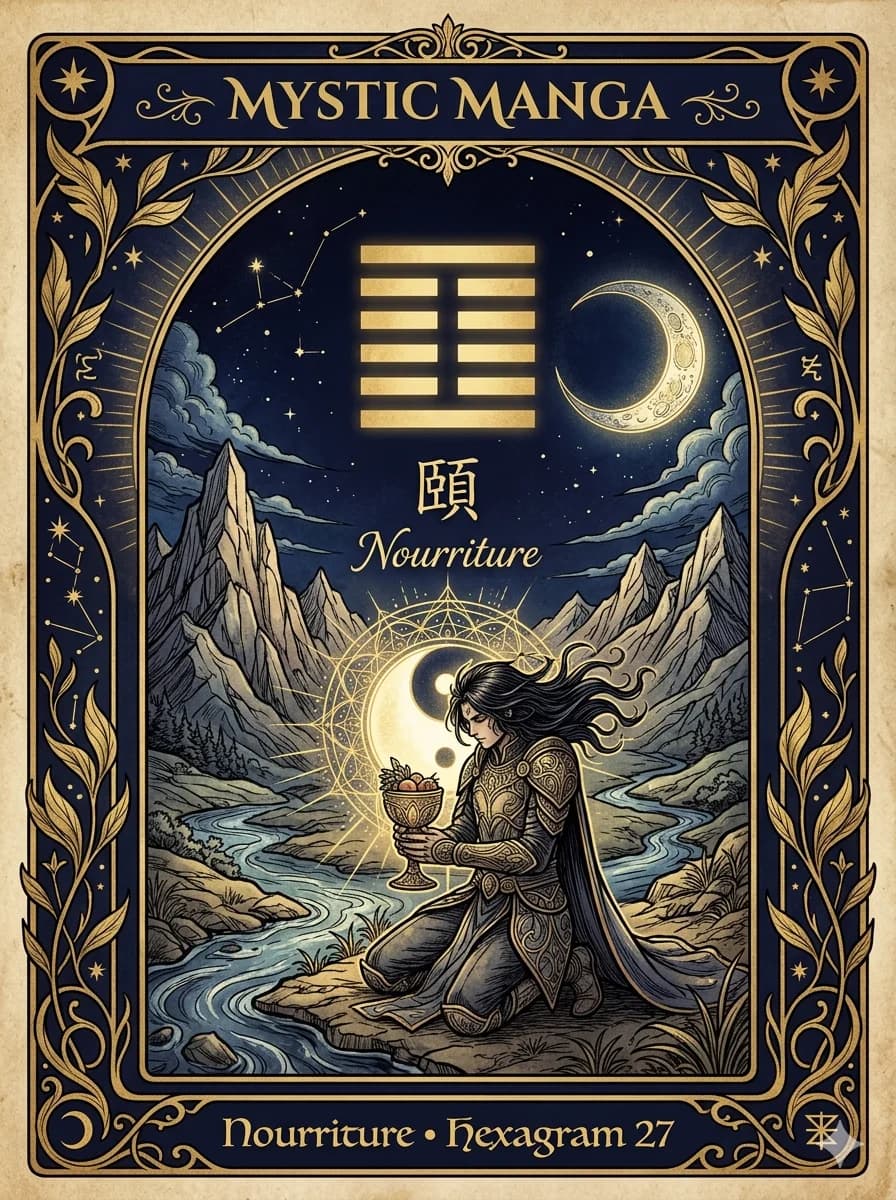
27Nourishment
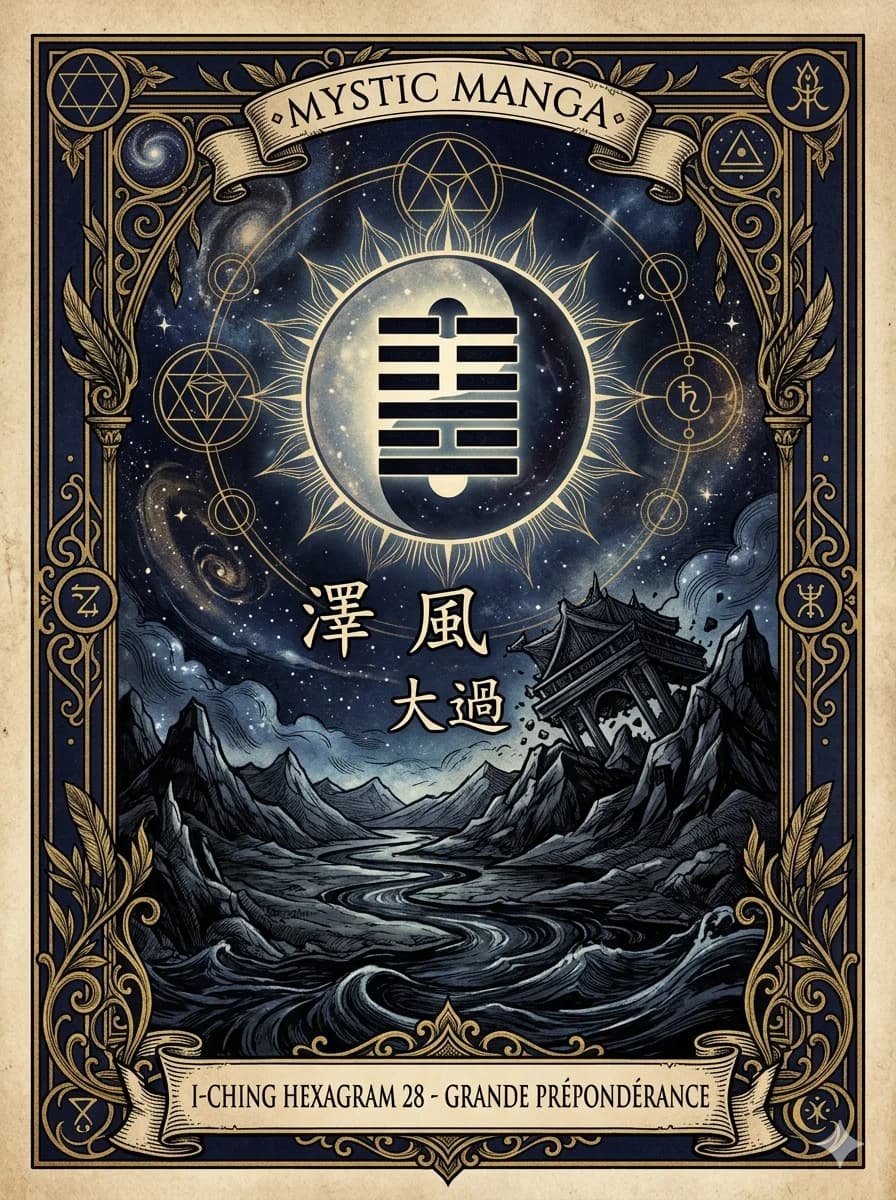
28Preponderance of the Great
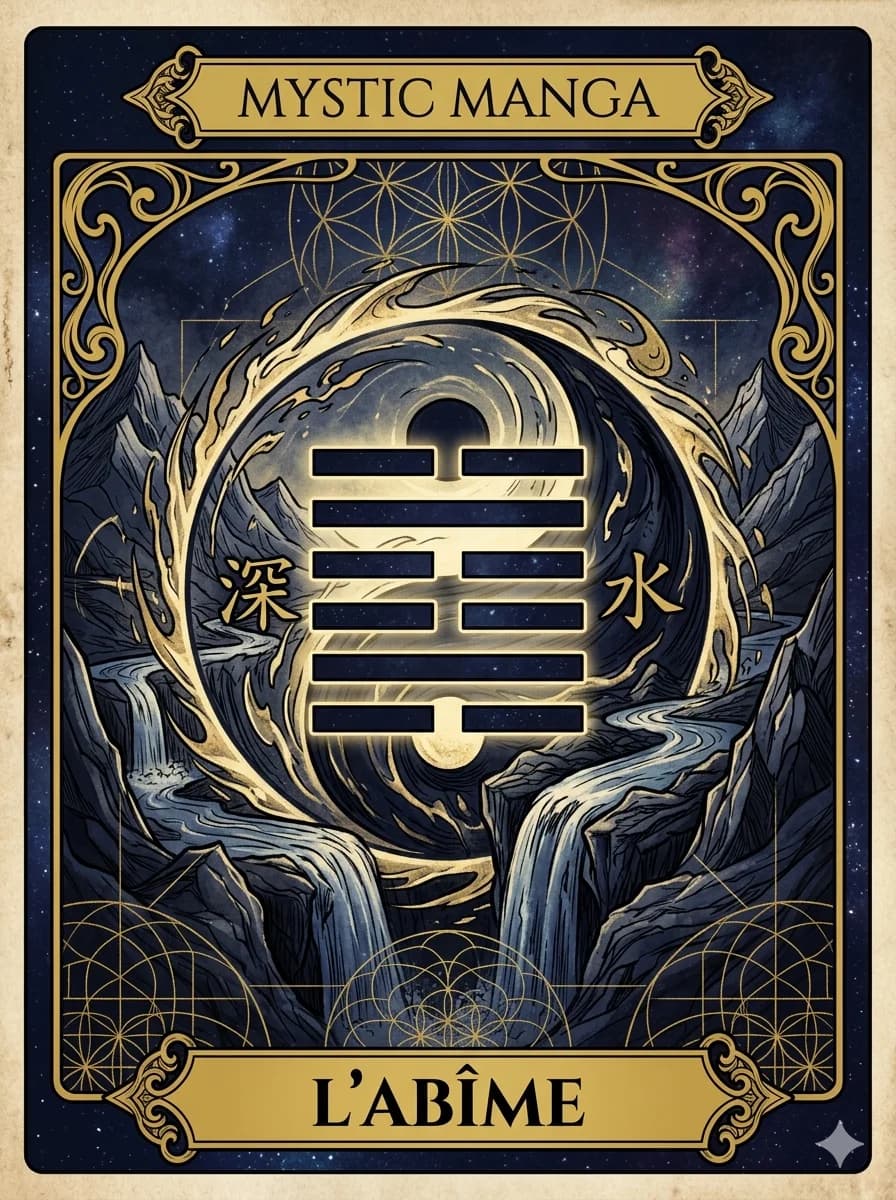
29The Abysmal
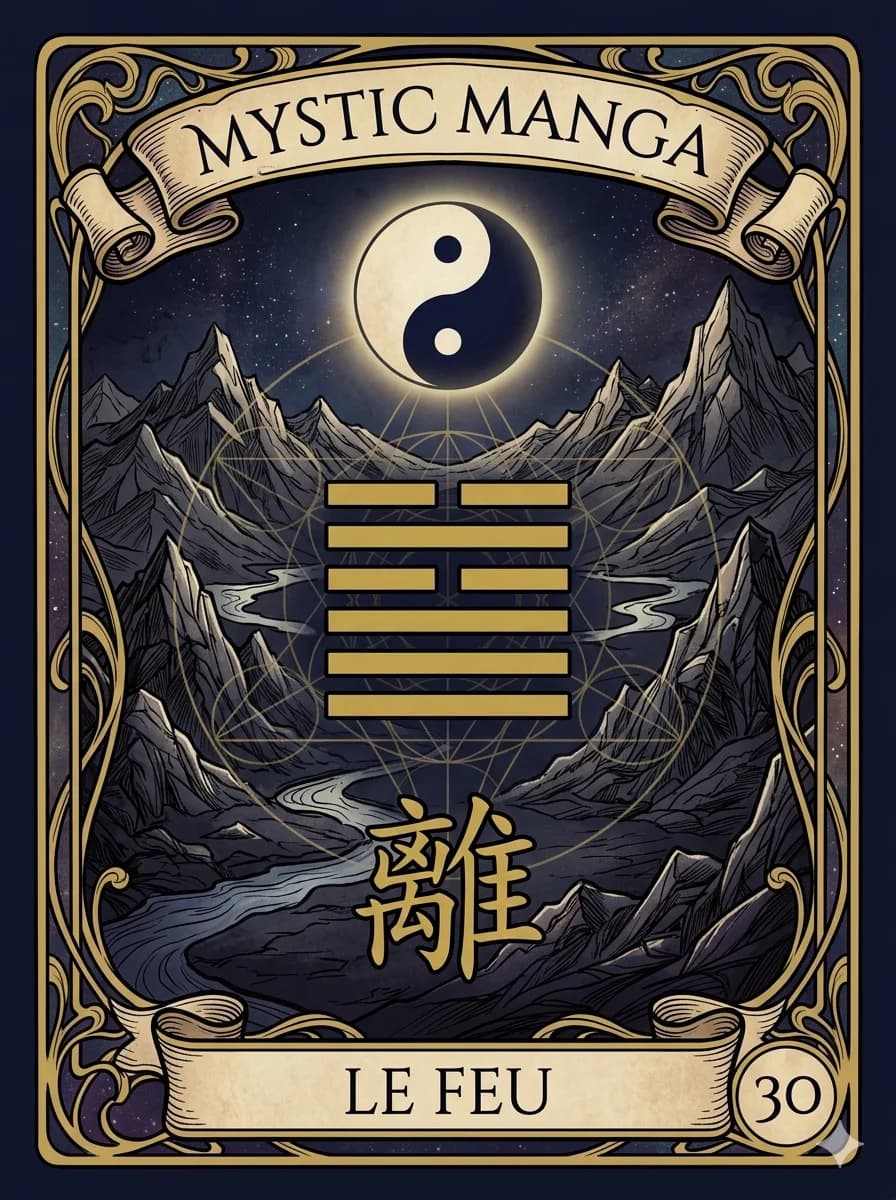
30The Clinging
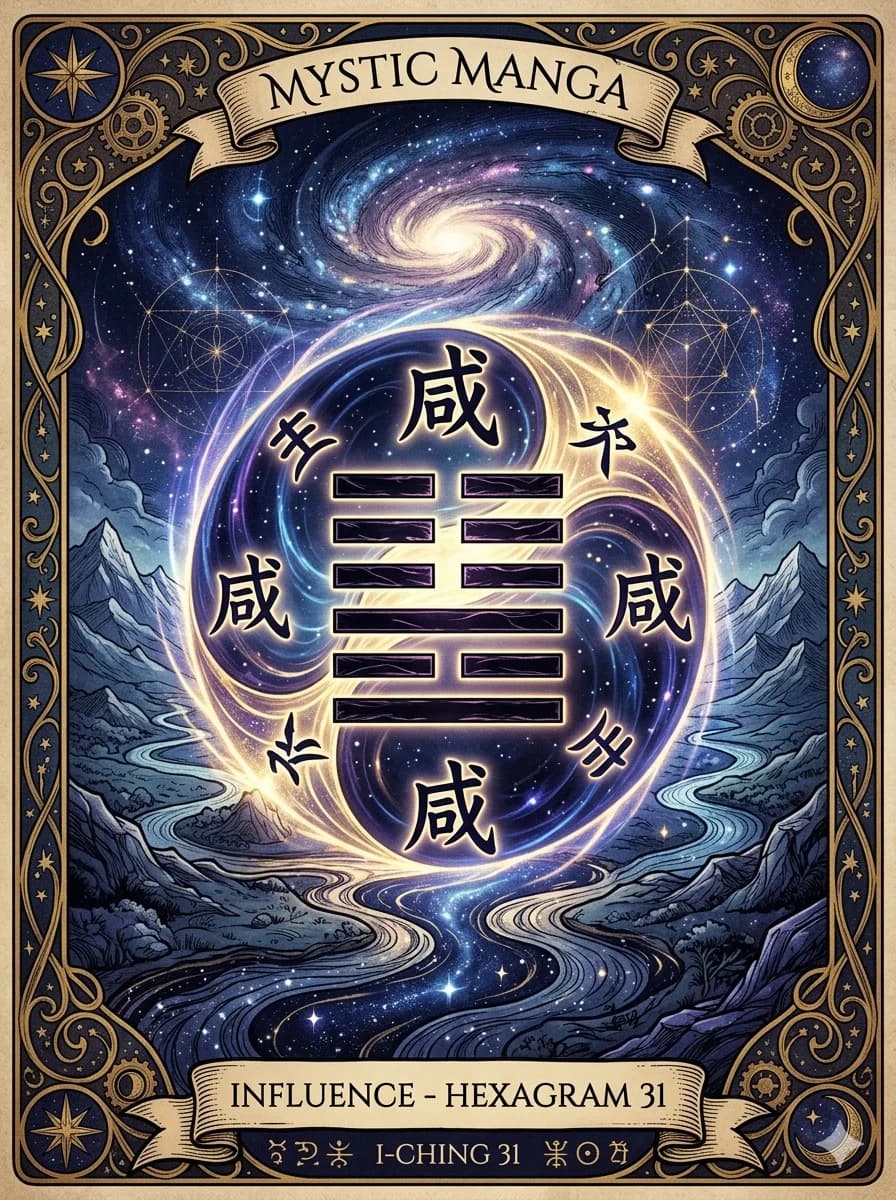
31Influence
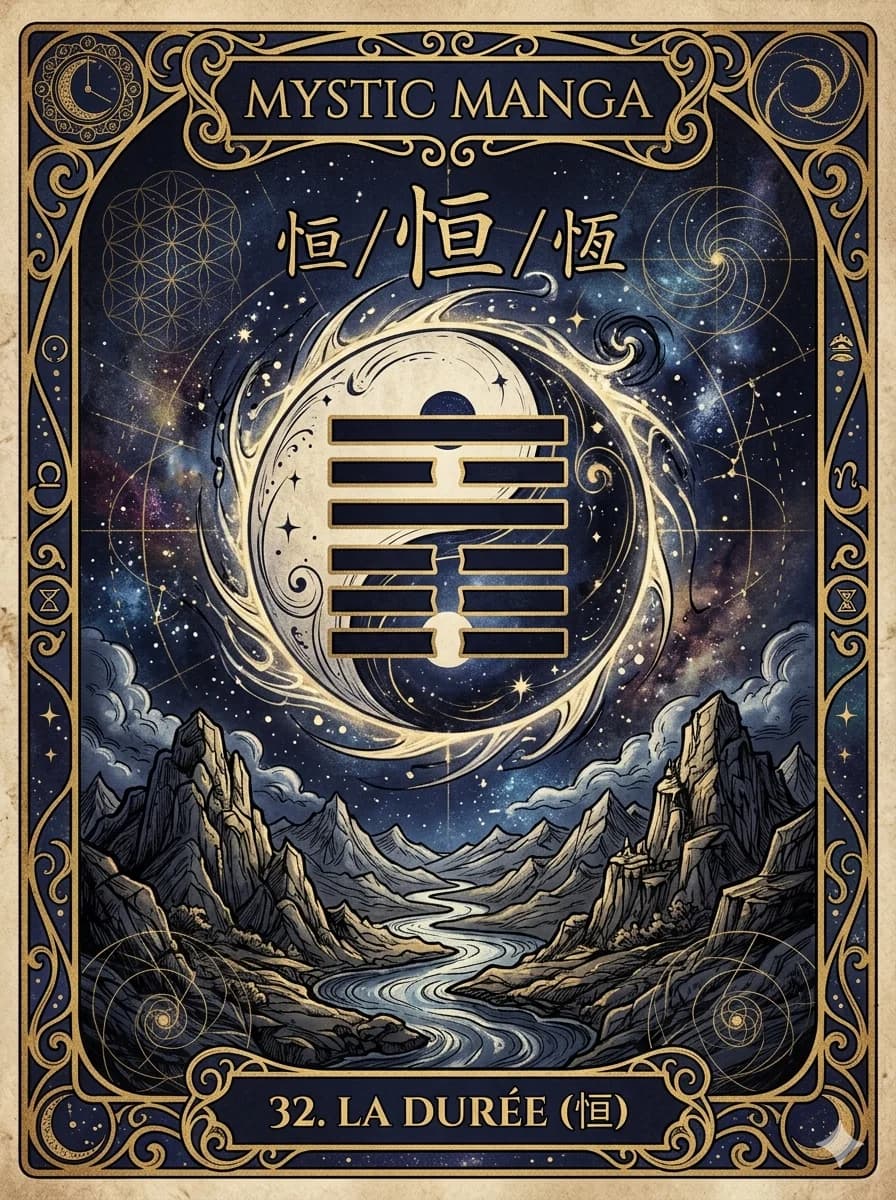
32Duration
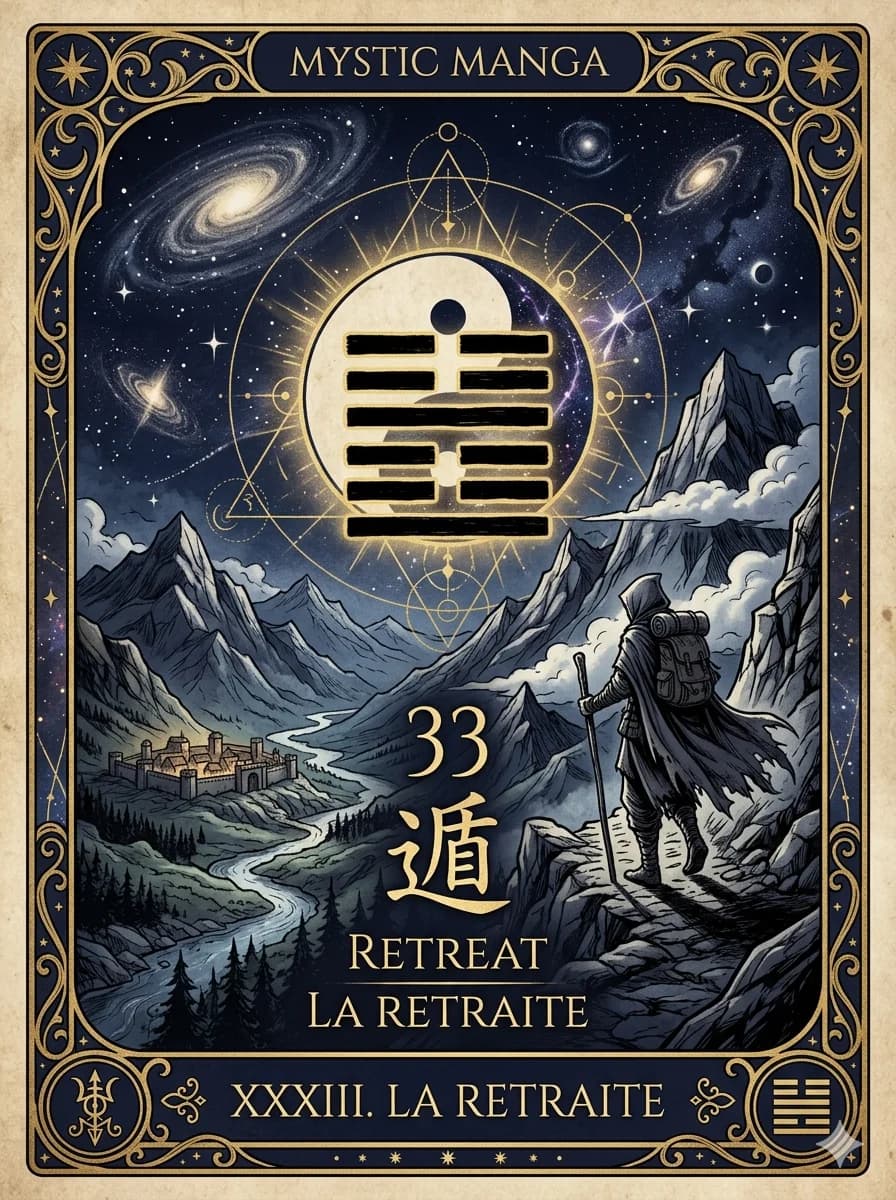
33Retreat
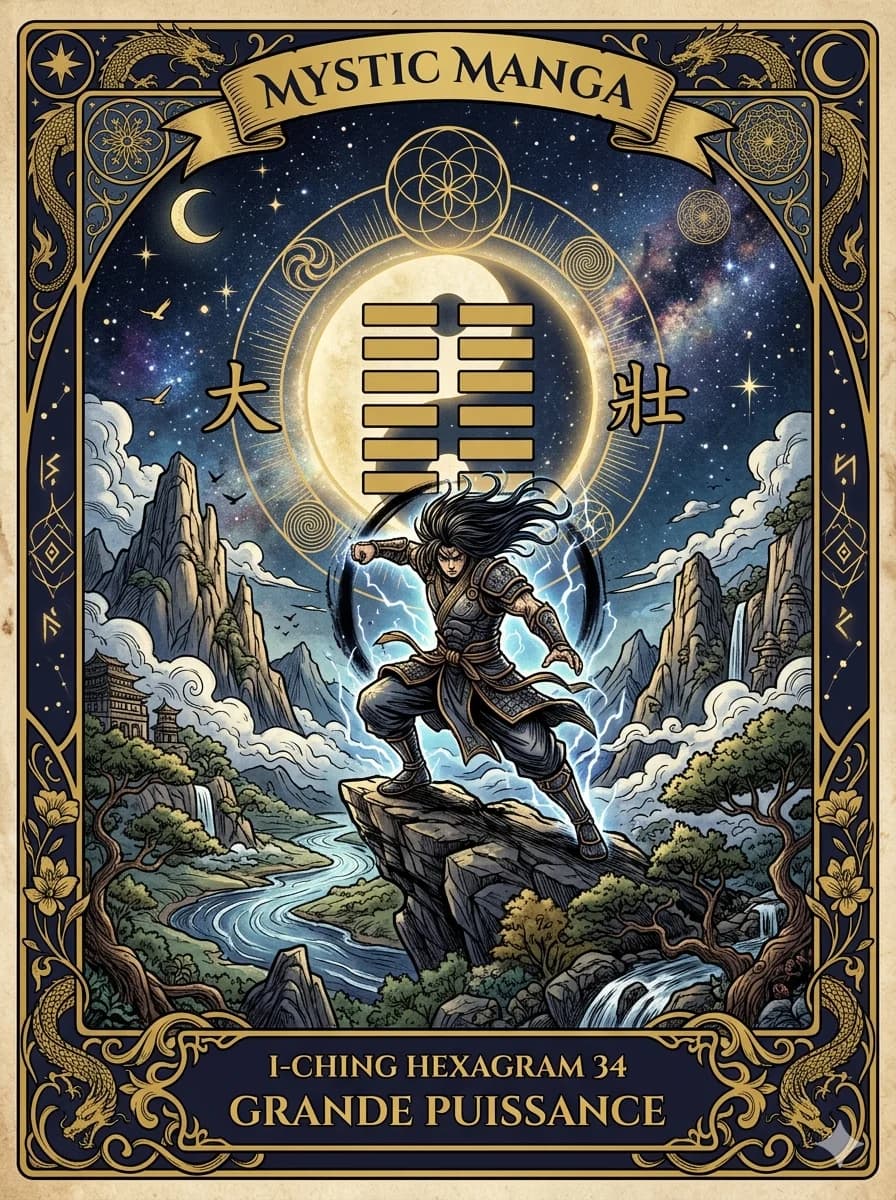
34The Power of the Great
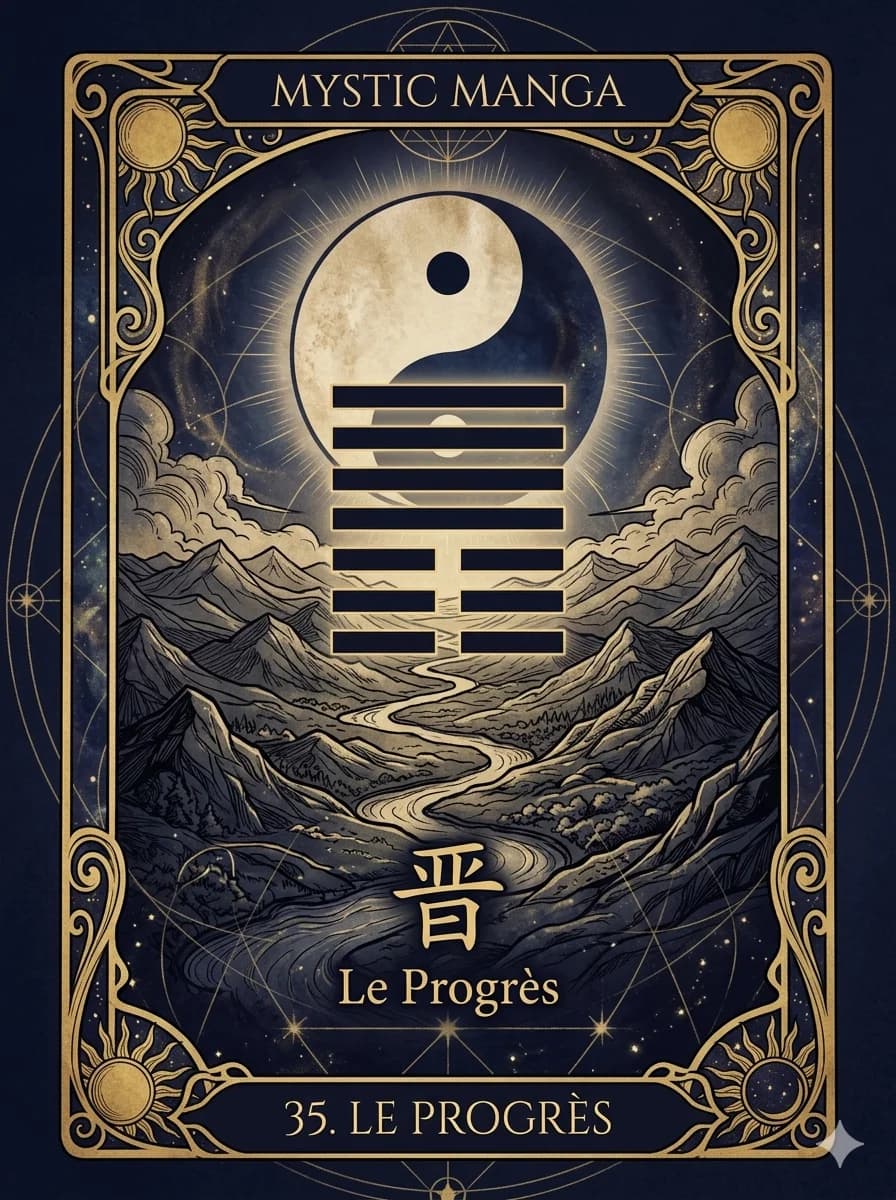
35Progress
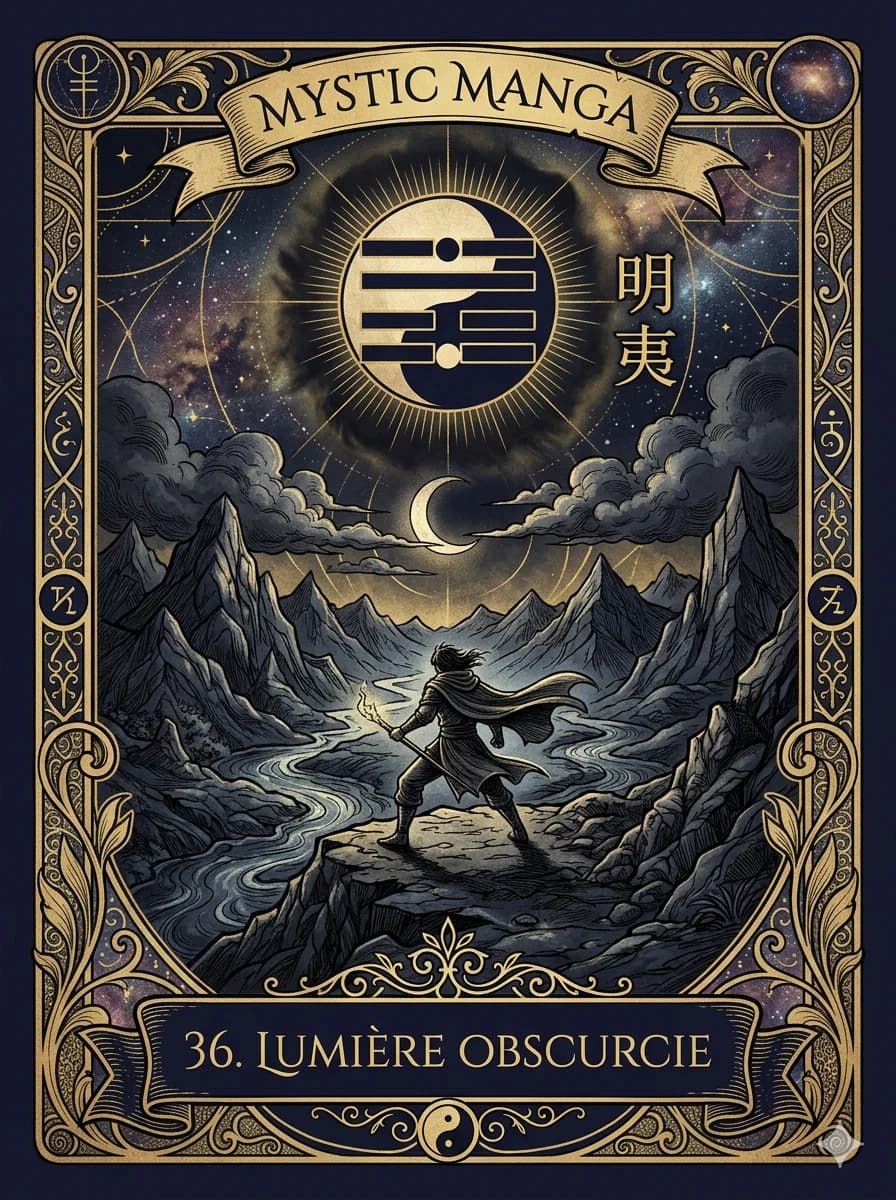
36Darkening of the Light
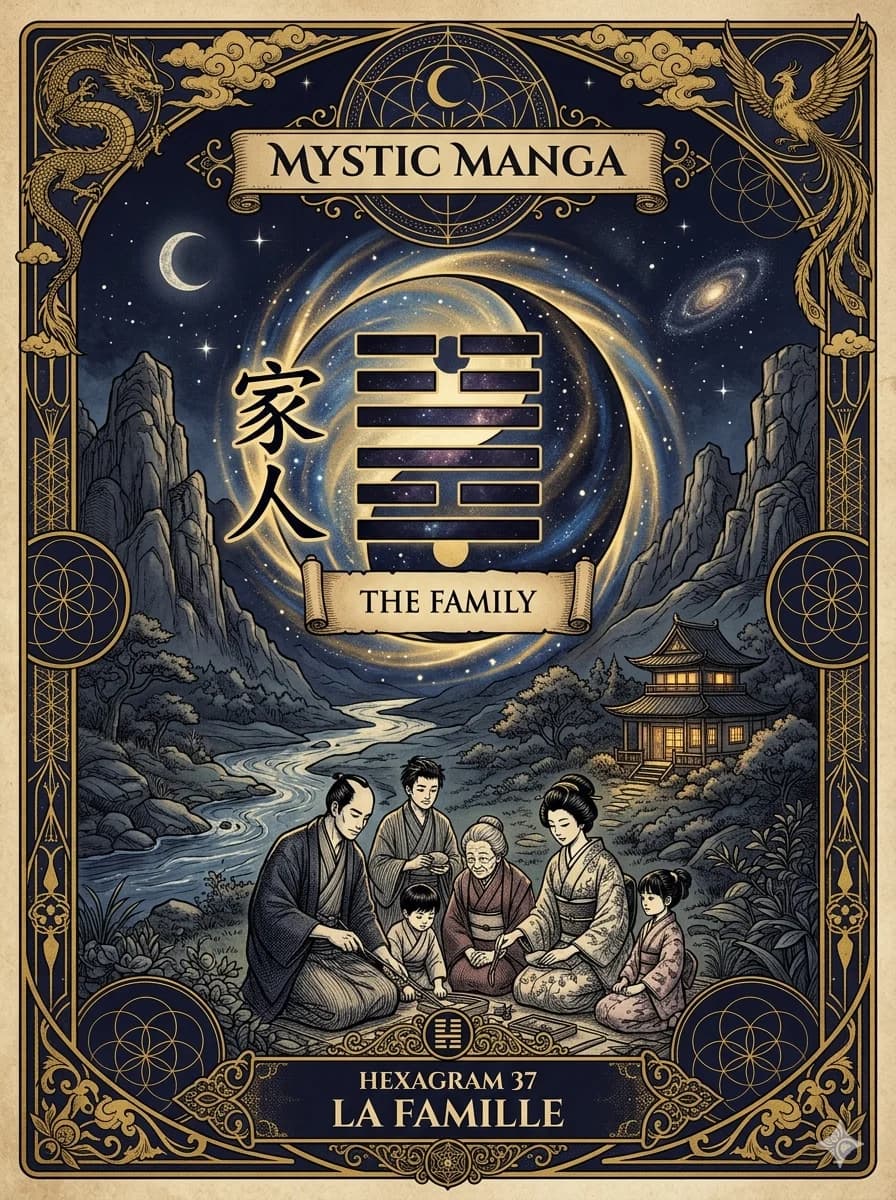
37The Family
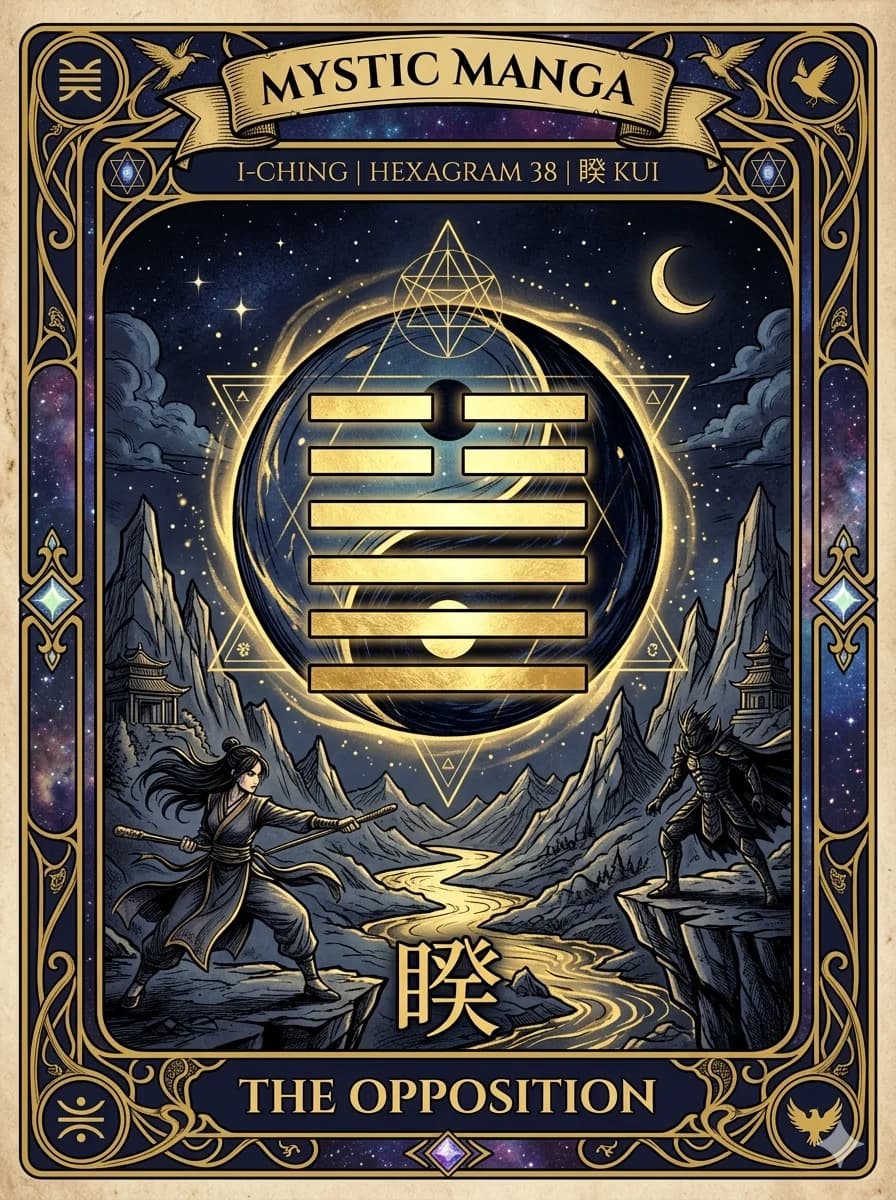
38Opposition
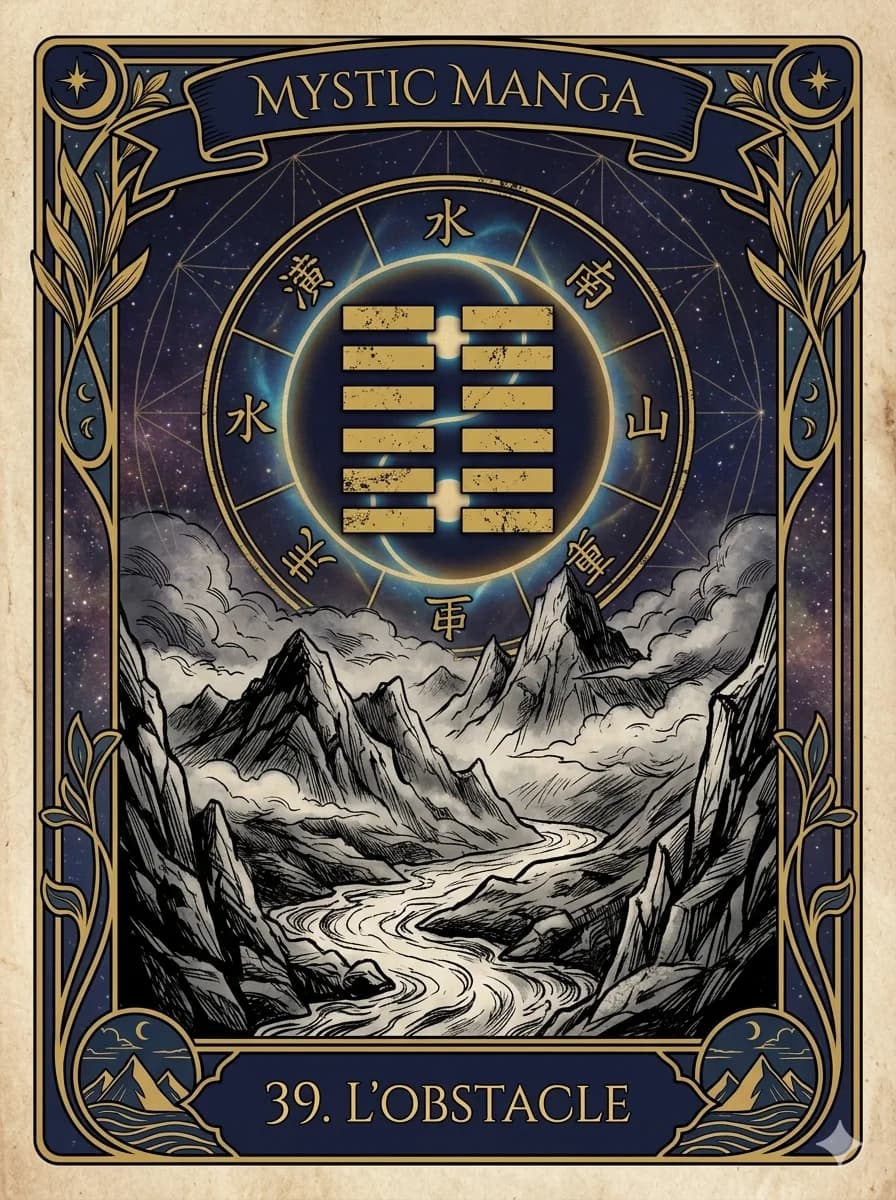
39Obstruction
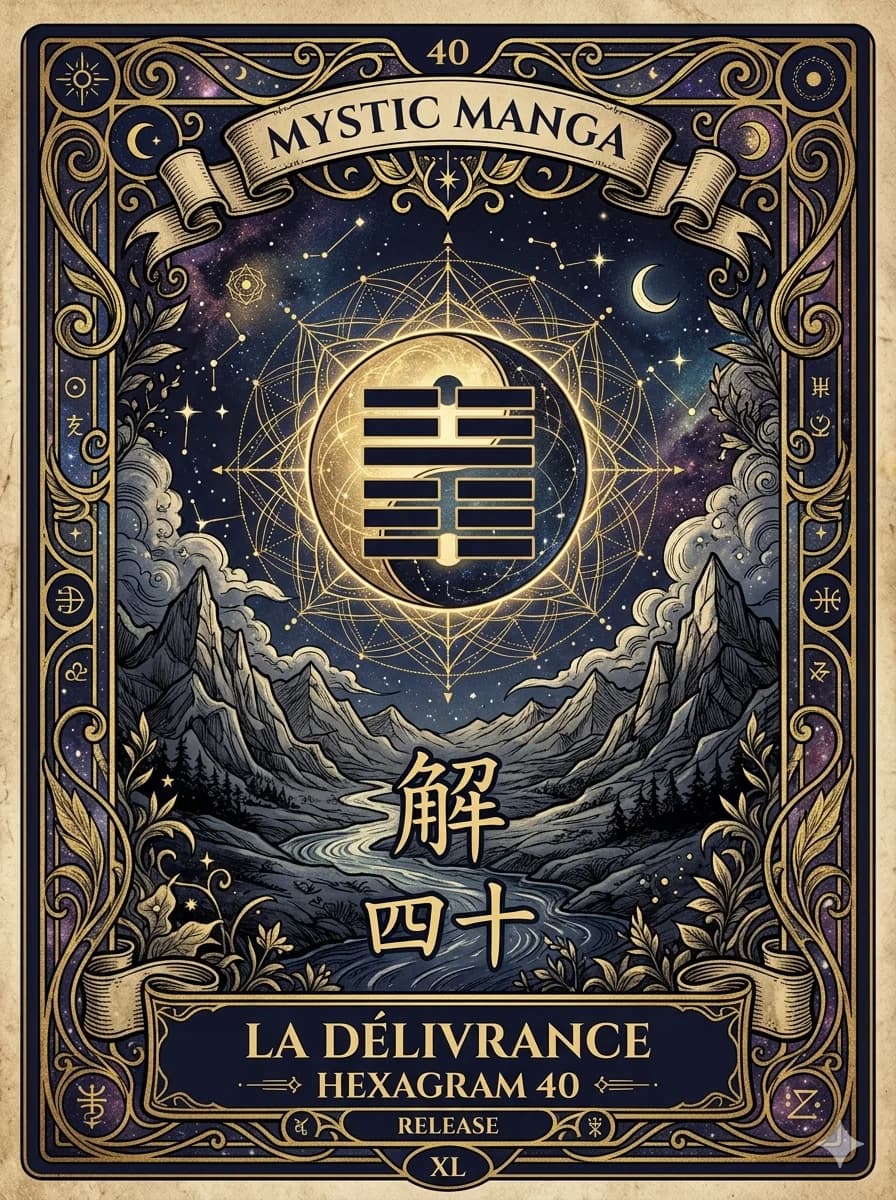
40Deliverance
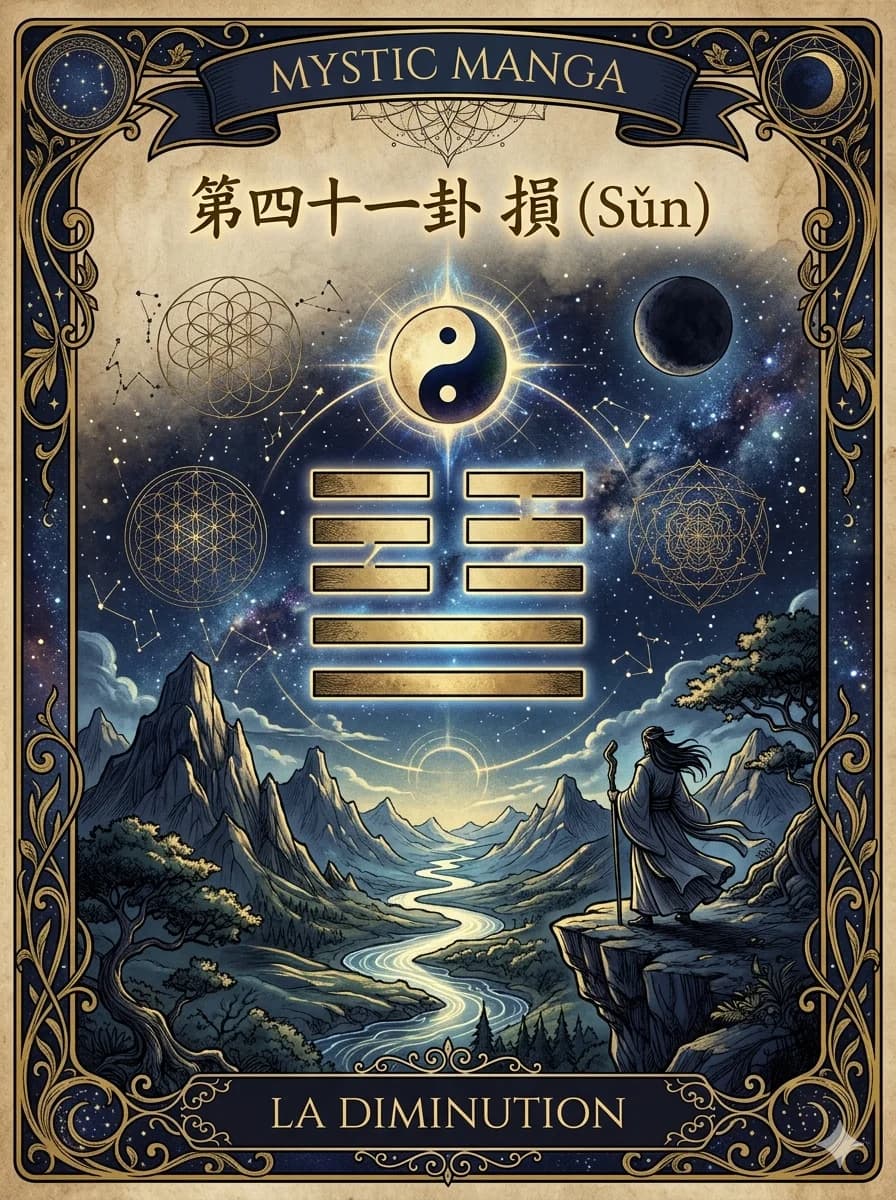
41Decrease
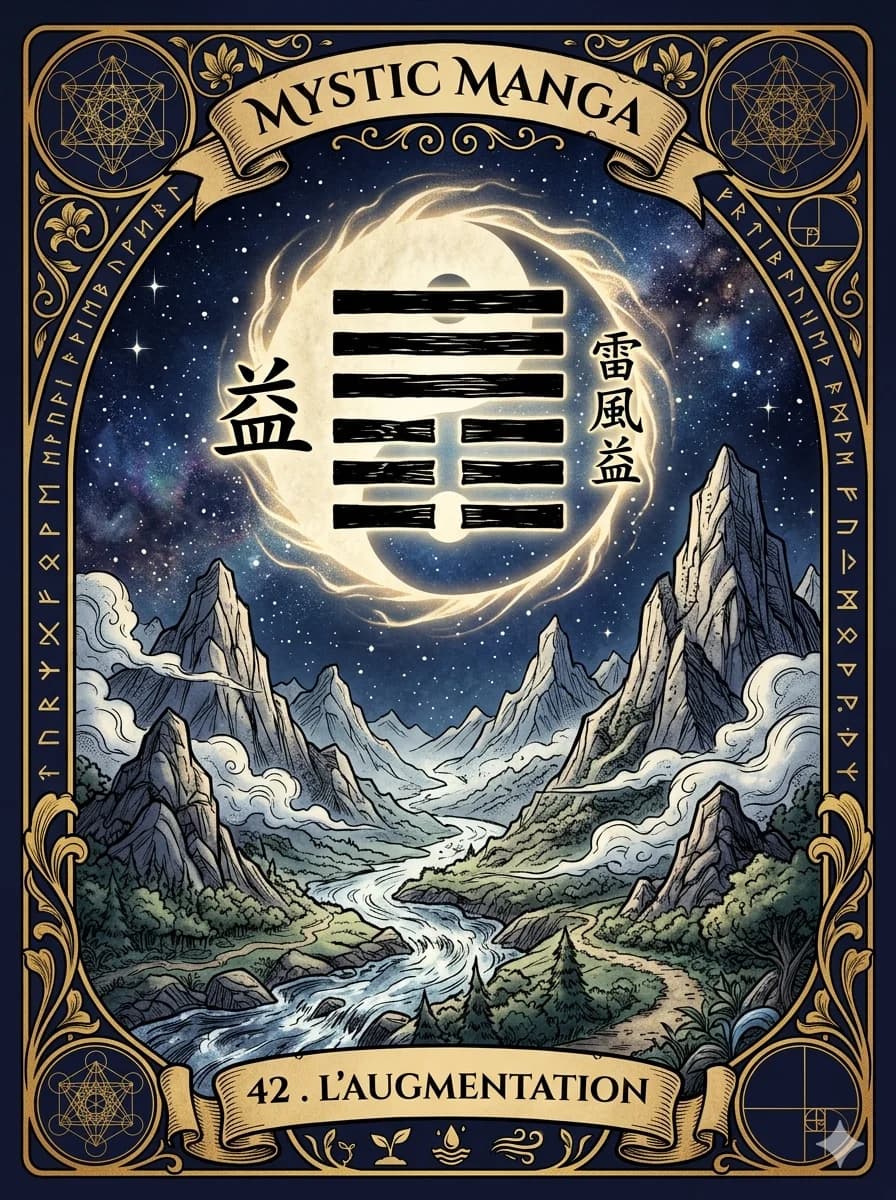
42Increase
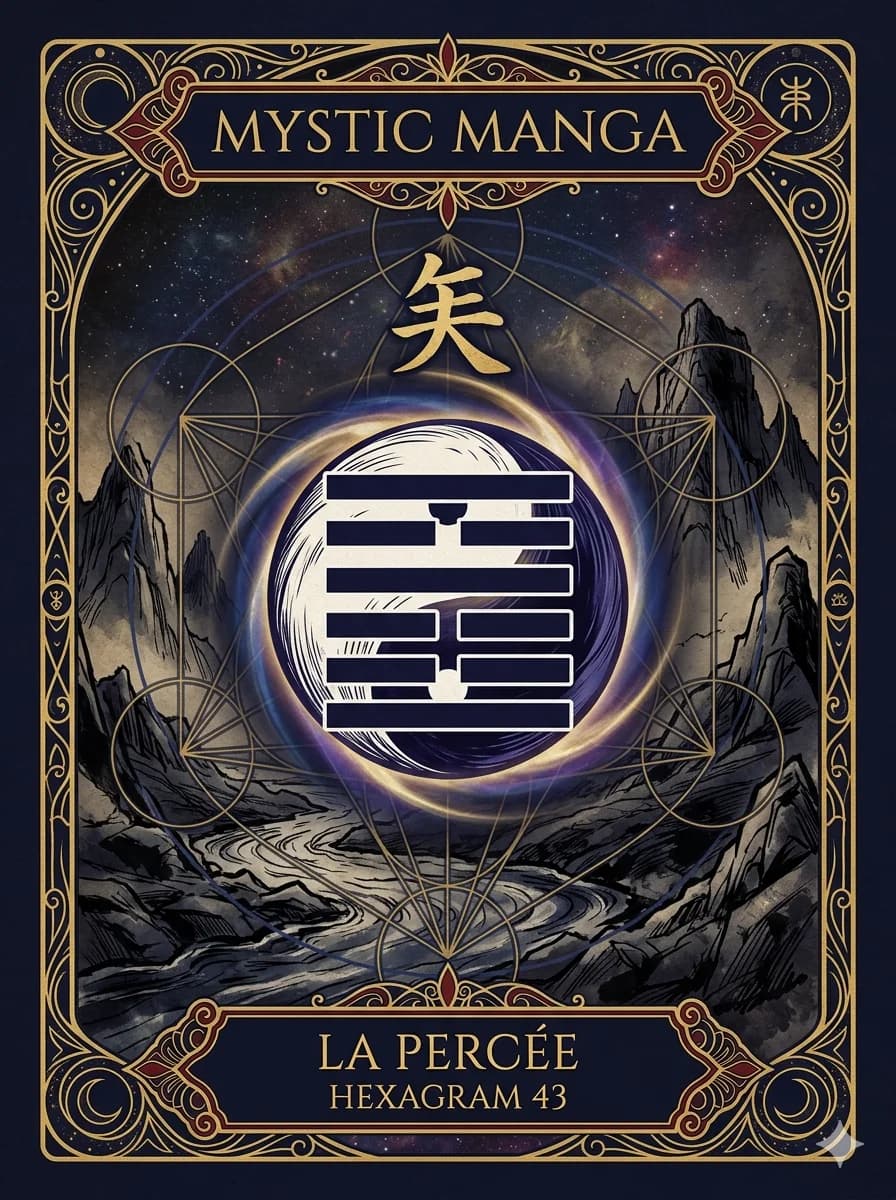
43Breakthrough
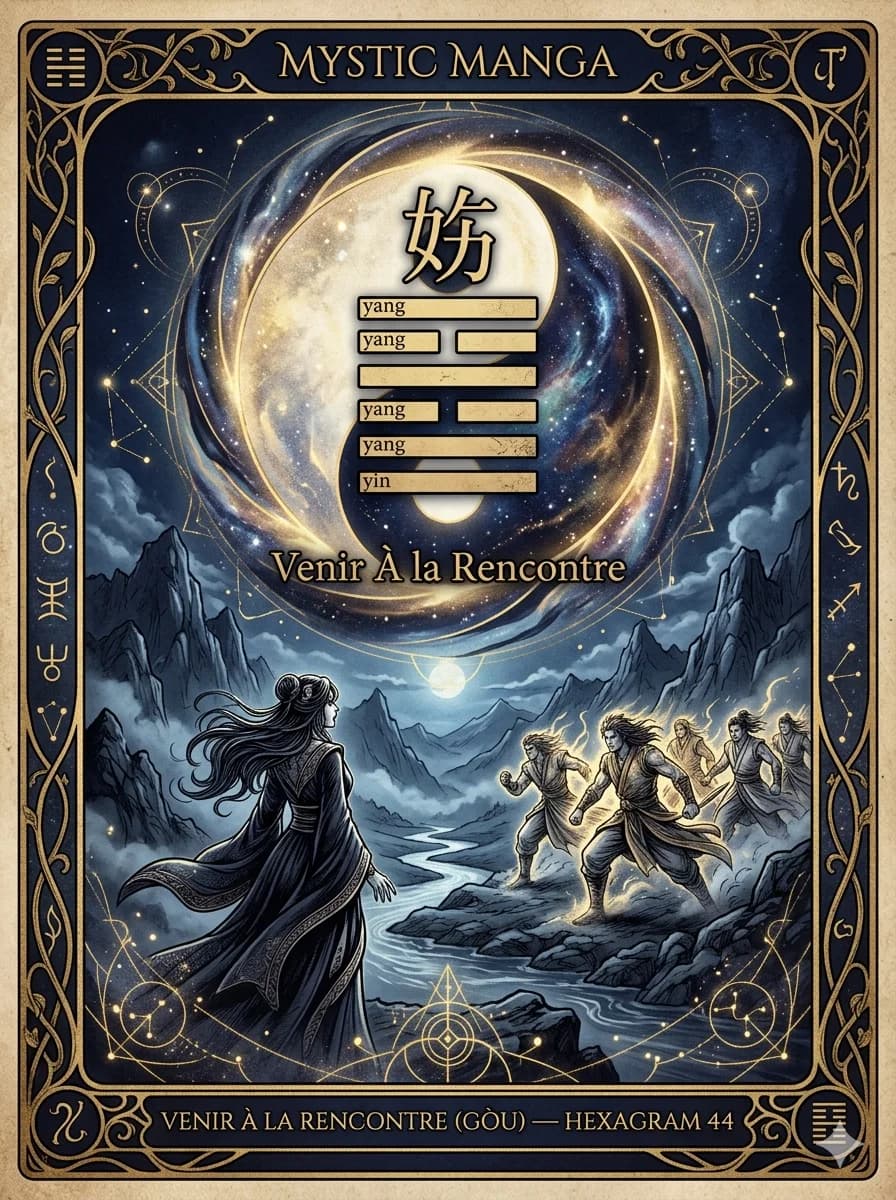
44Coming to Meet
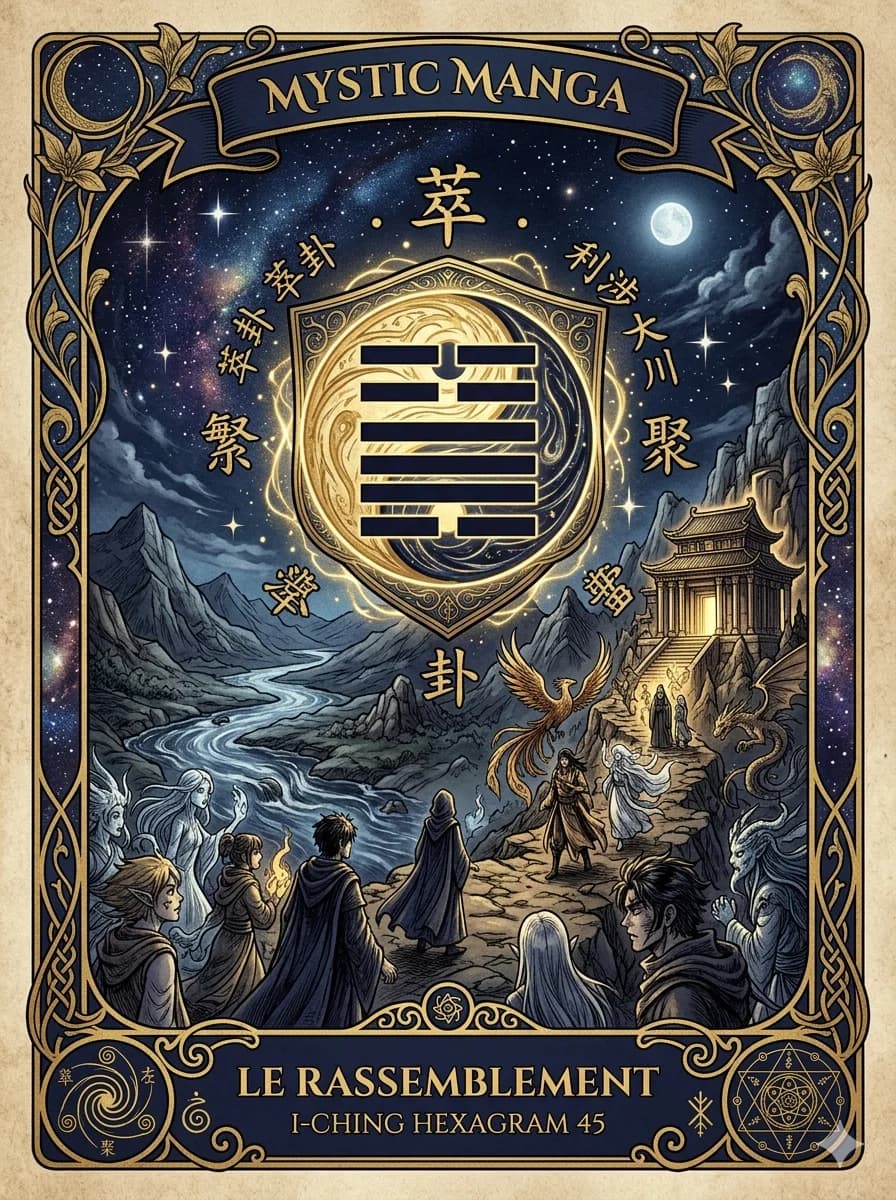
45Gathering Together
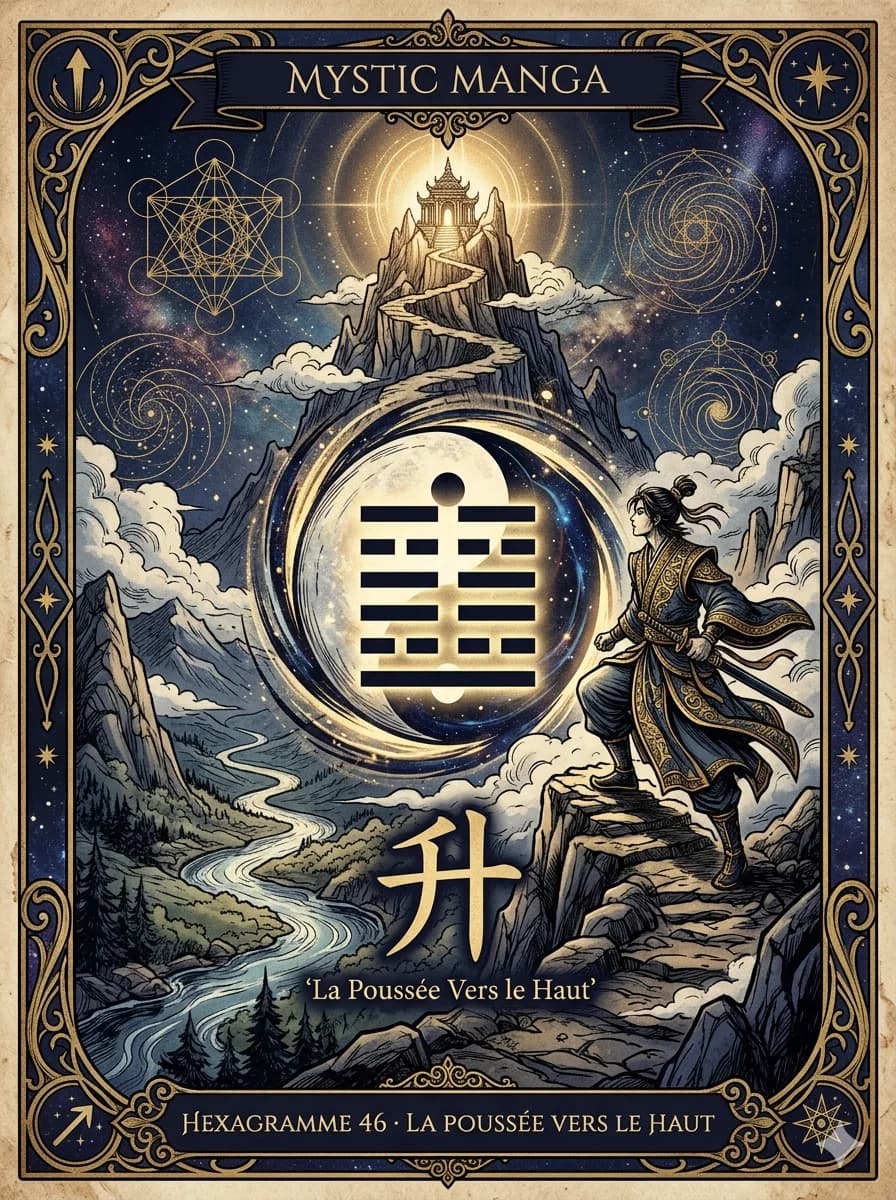
46Pushing Upward
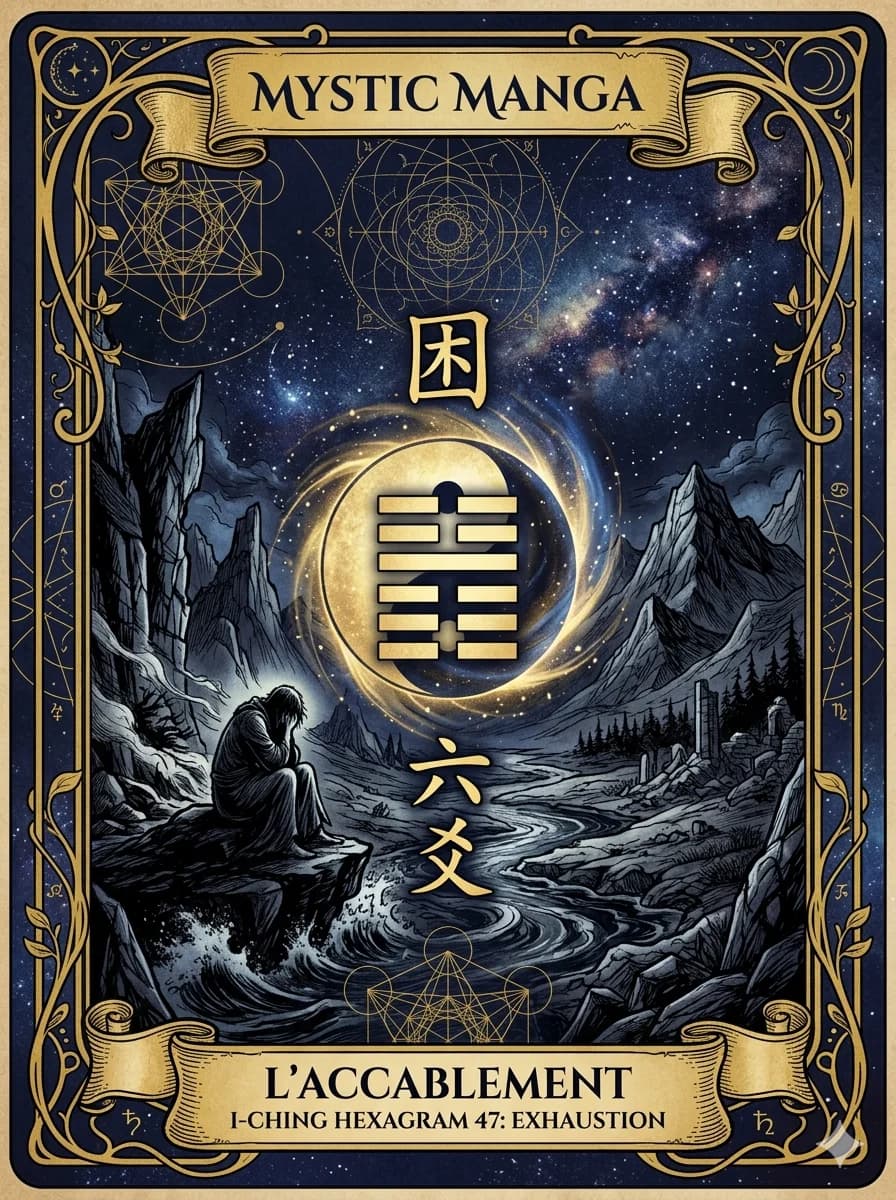
47Oppression
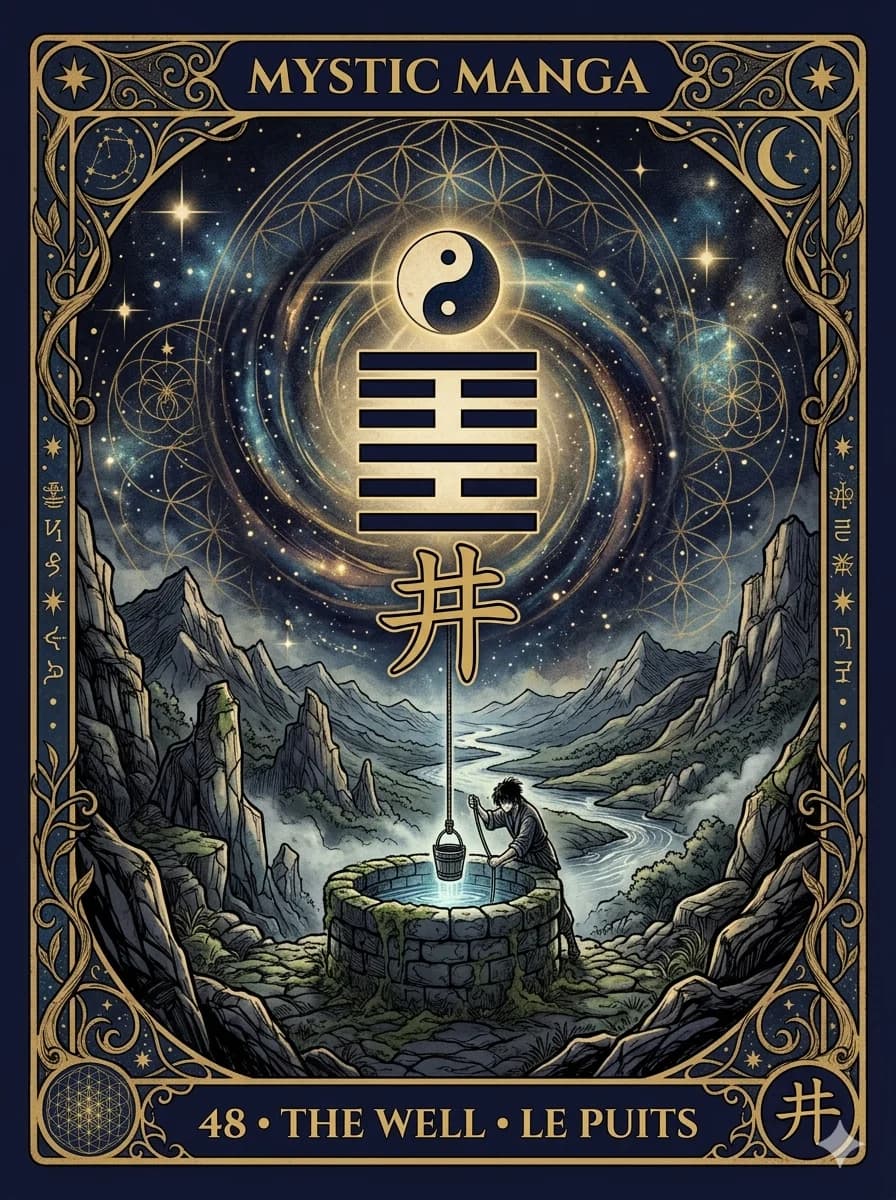
48The Well
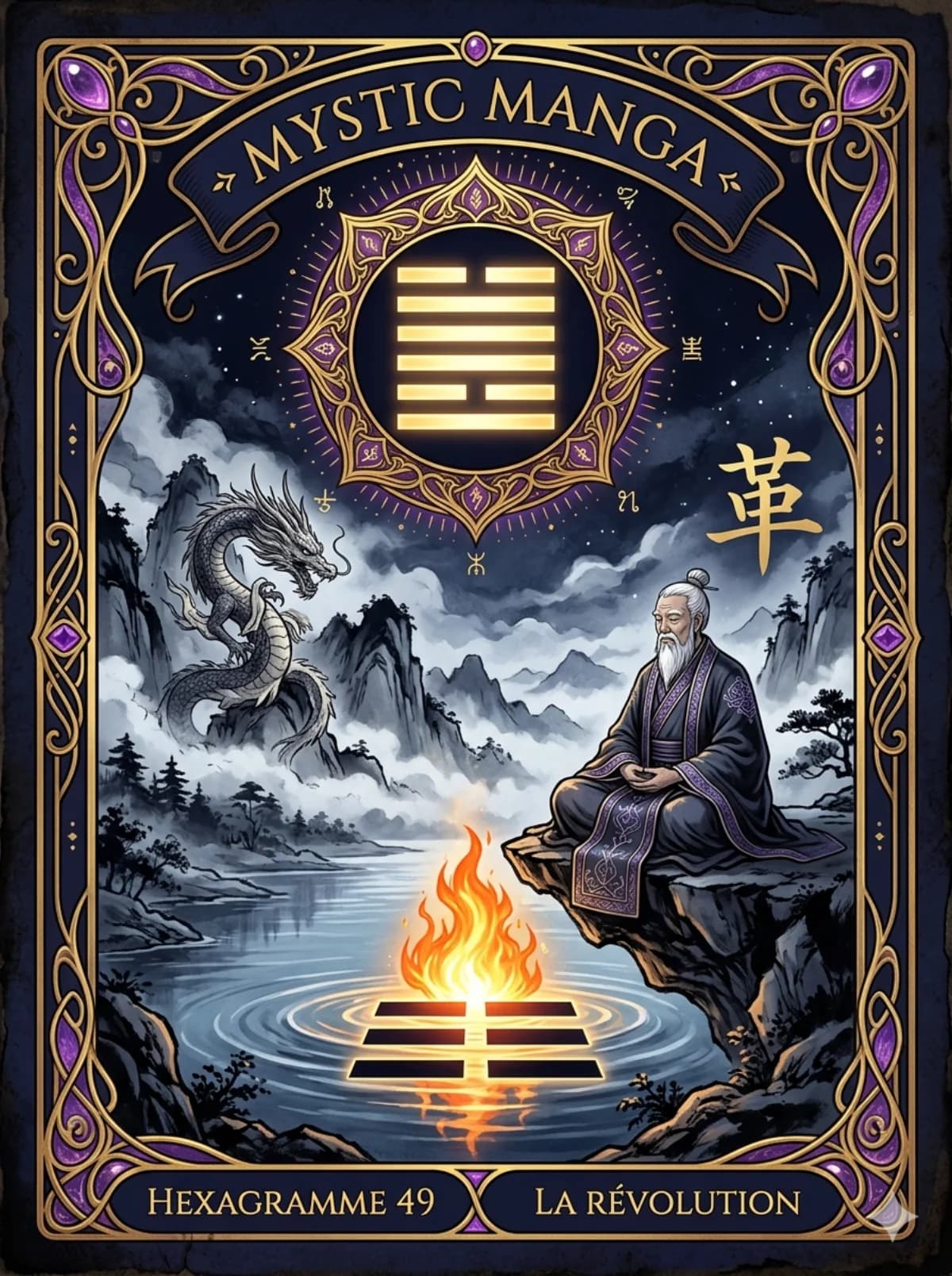
49Revolution
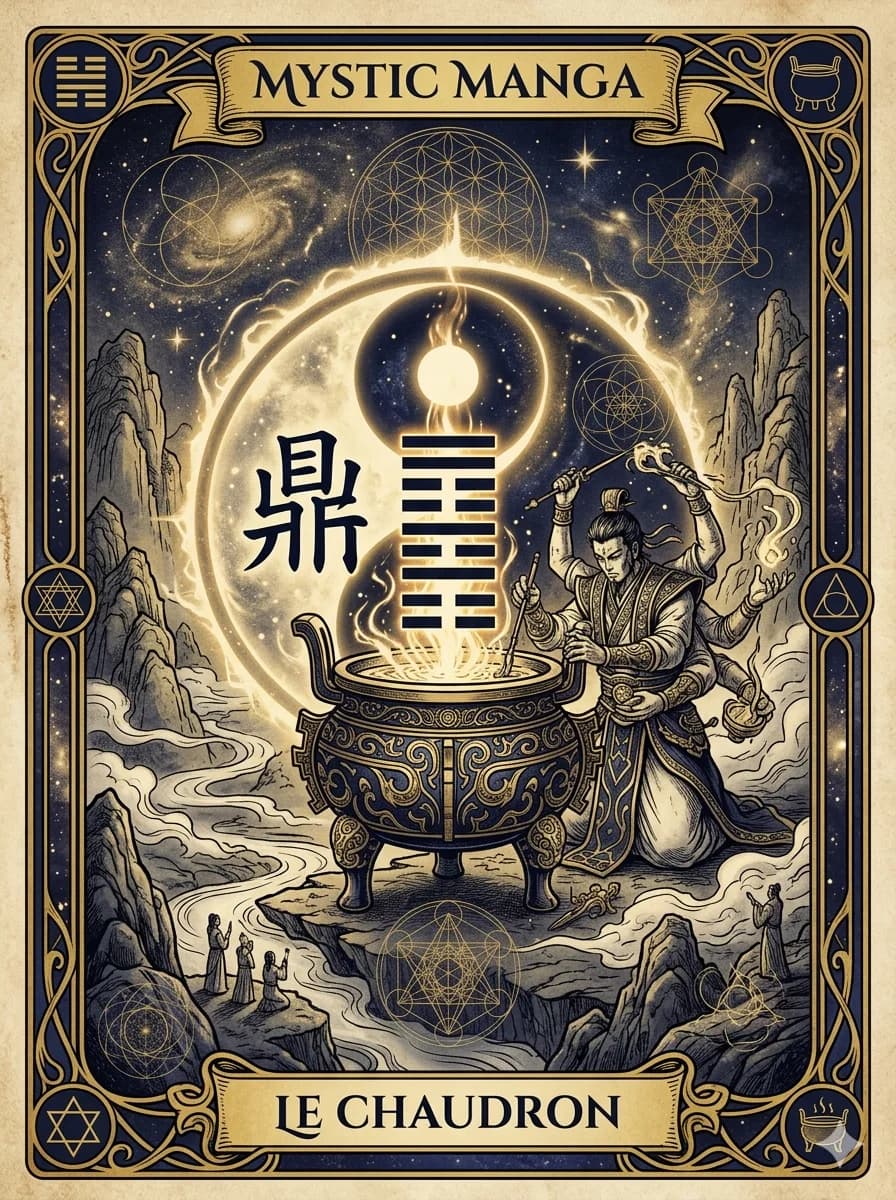
50The Cauldron
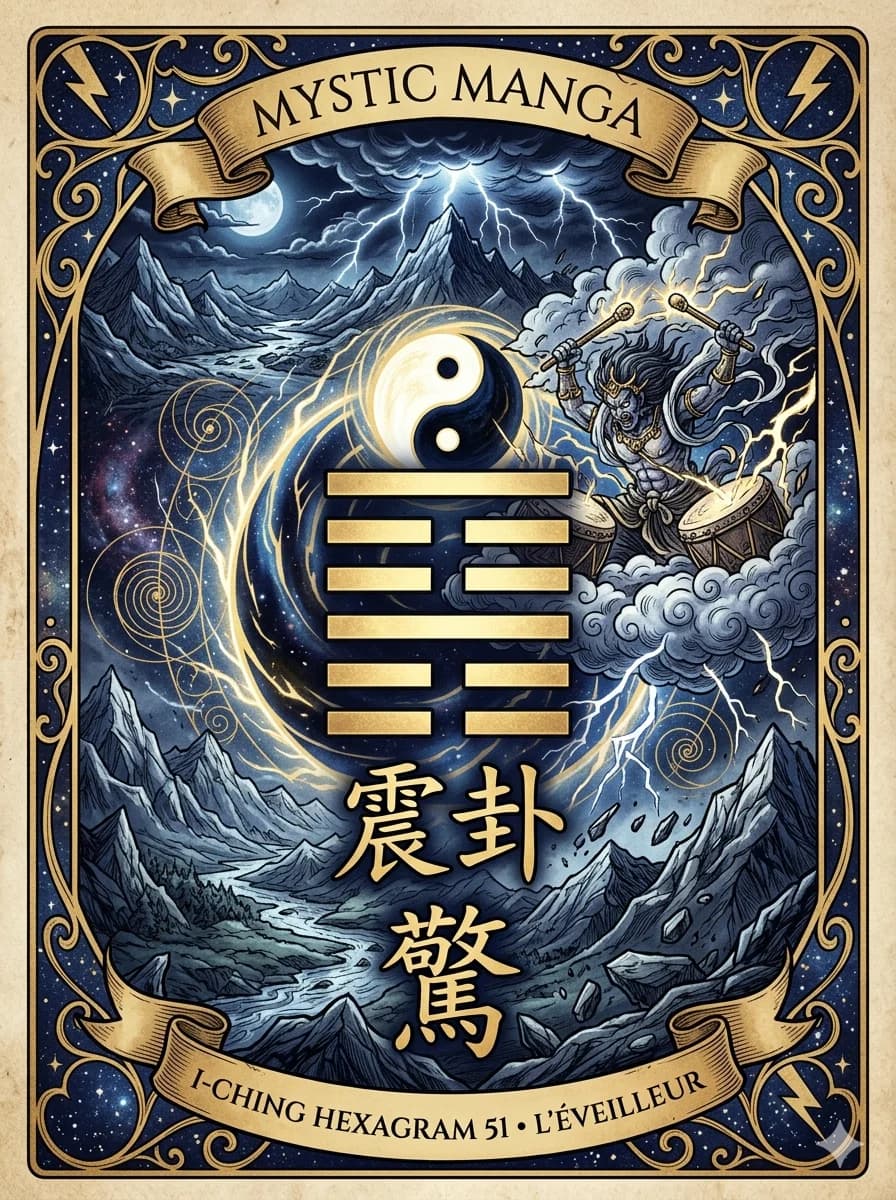
51The Arousing
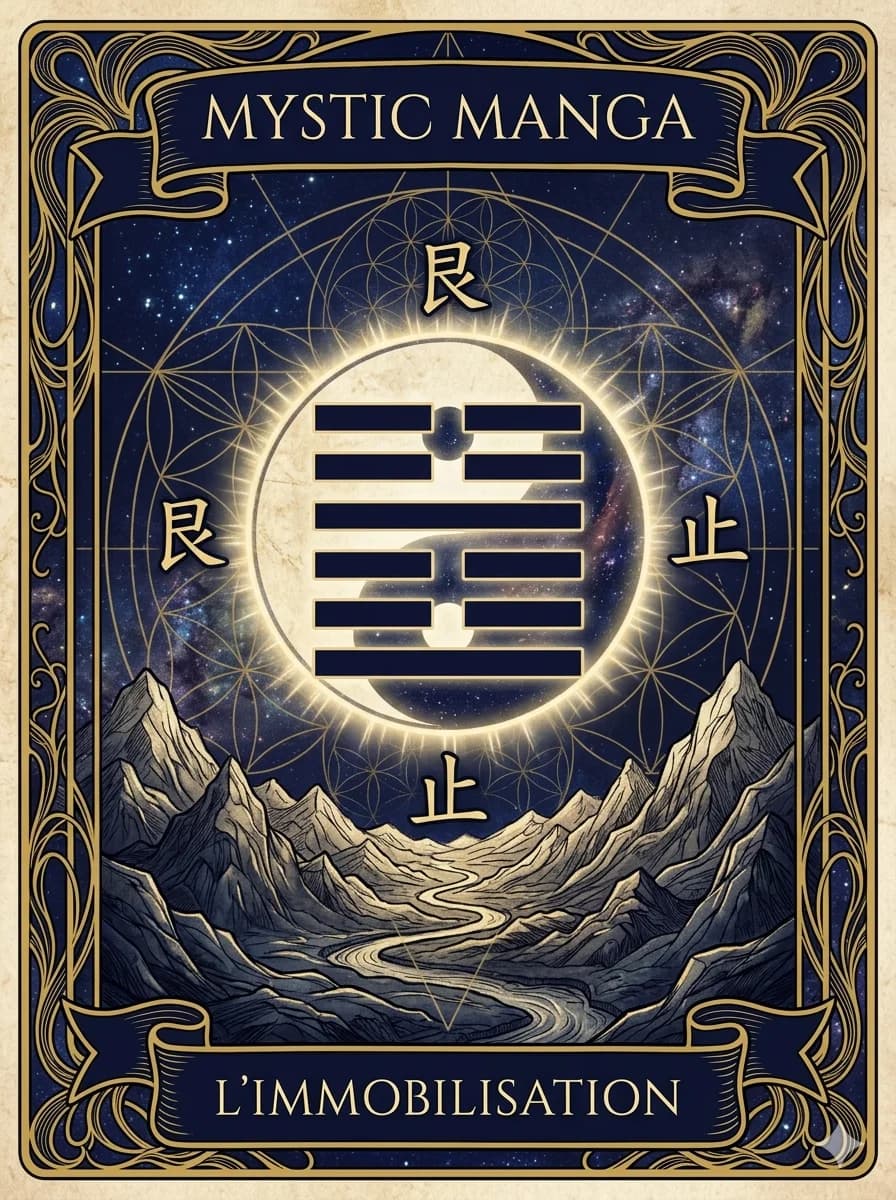
52Keeping Still
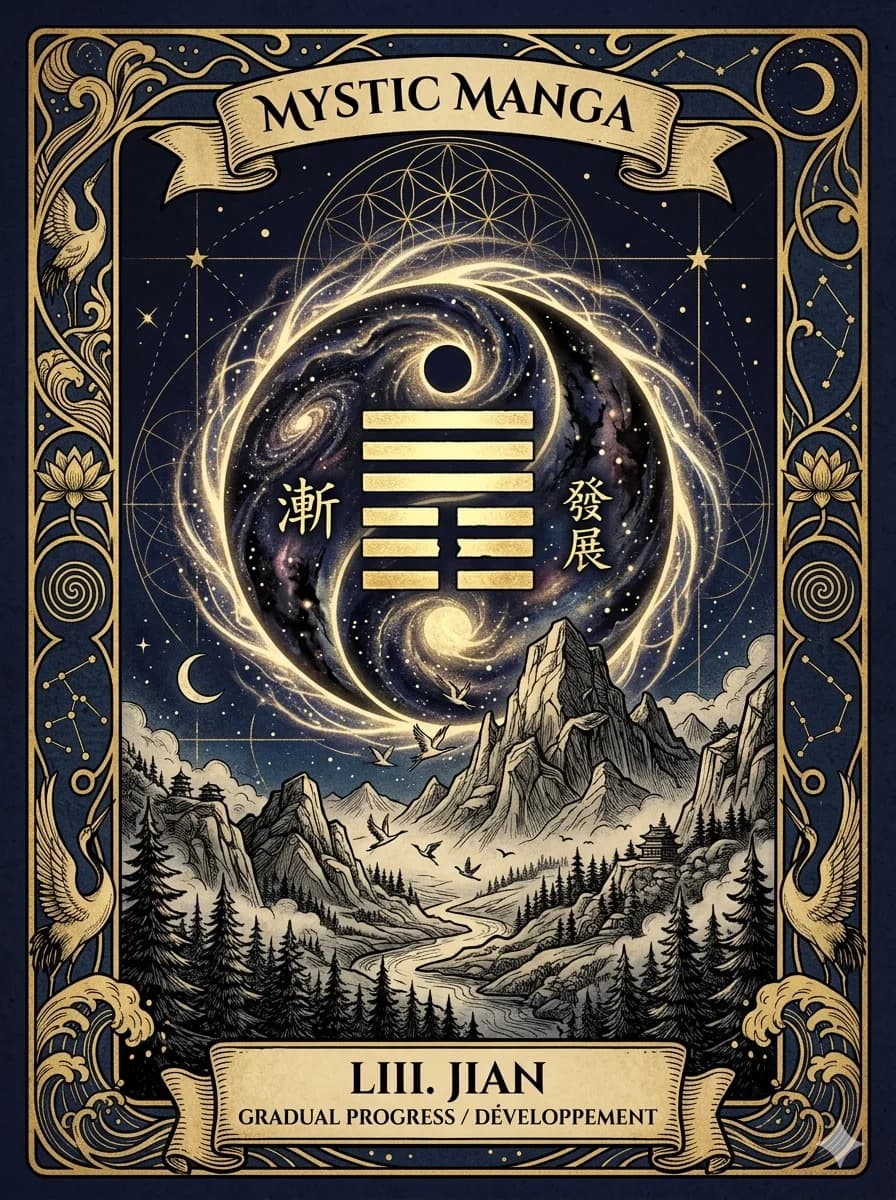
53Development
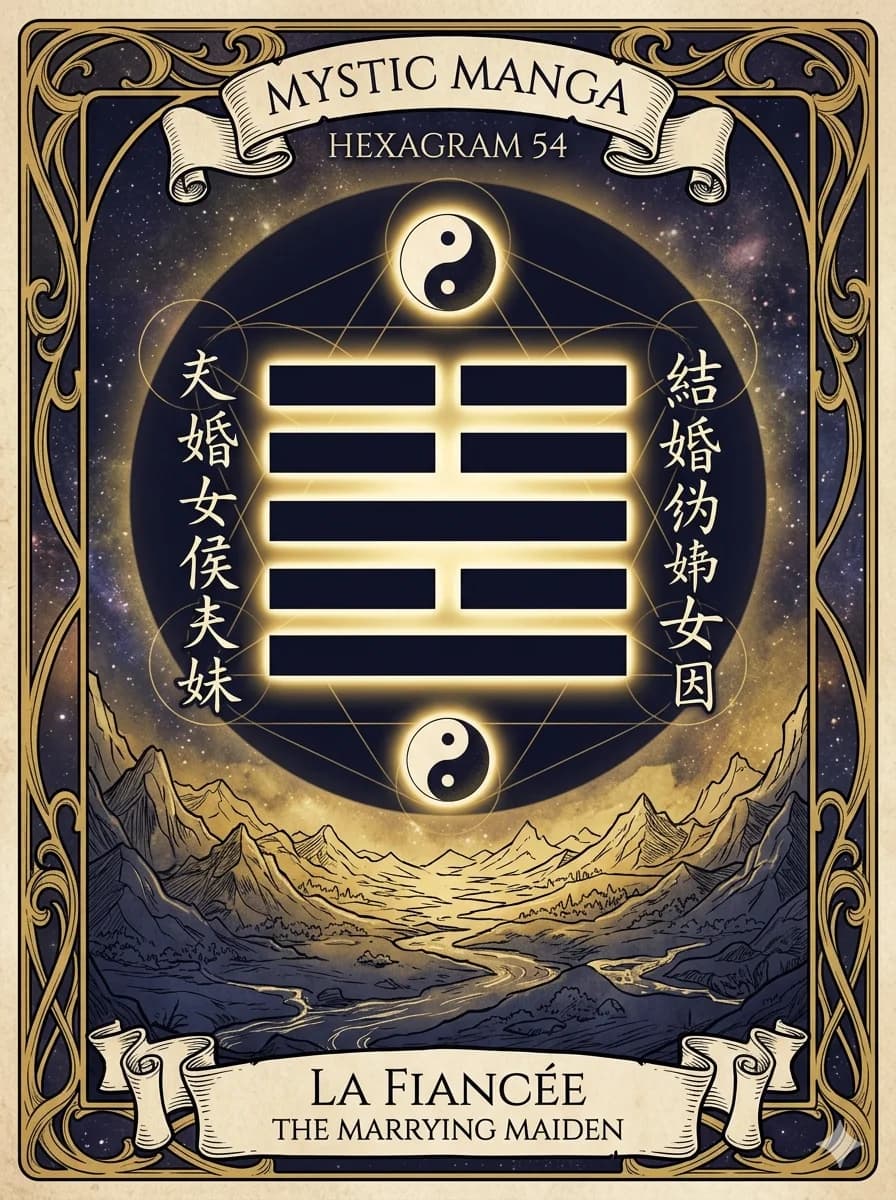
54The Marrying Maiden
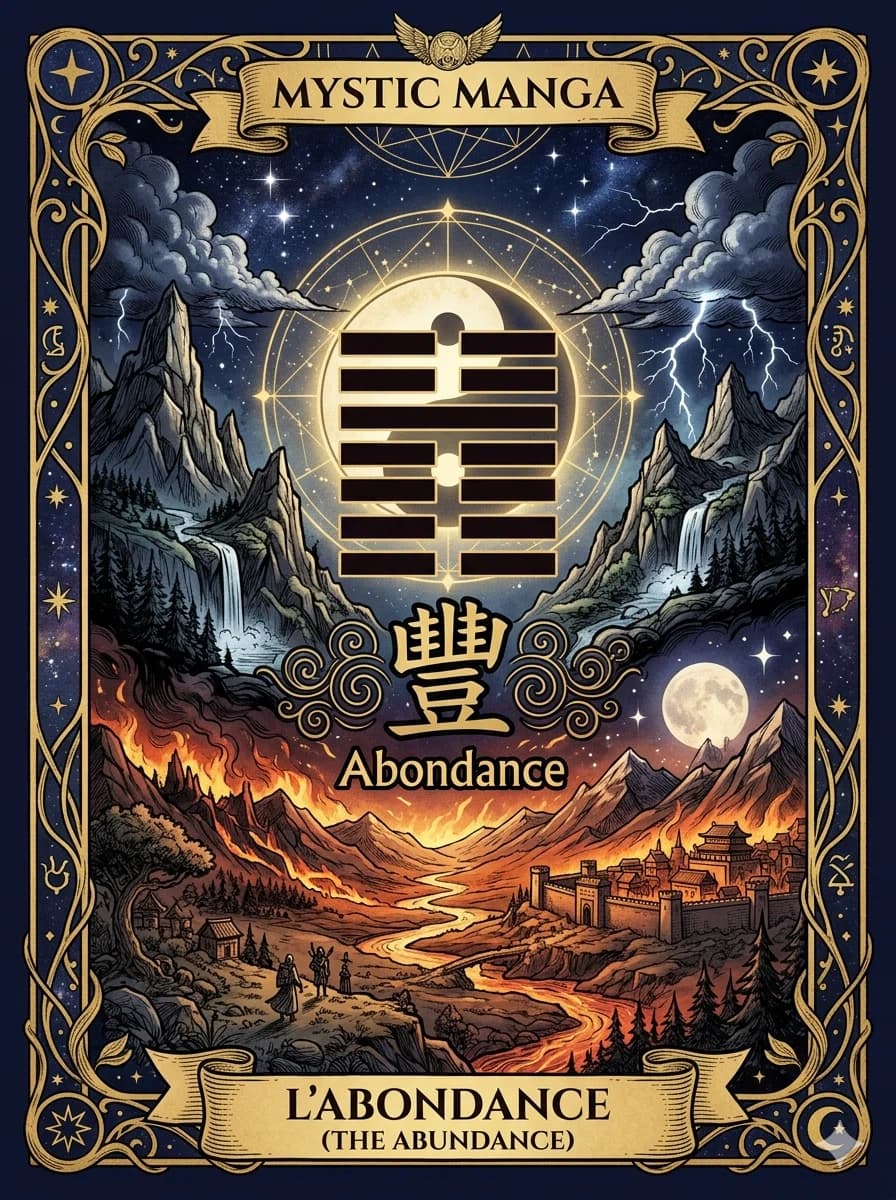
55Abundance
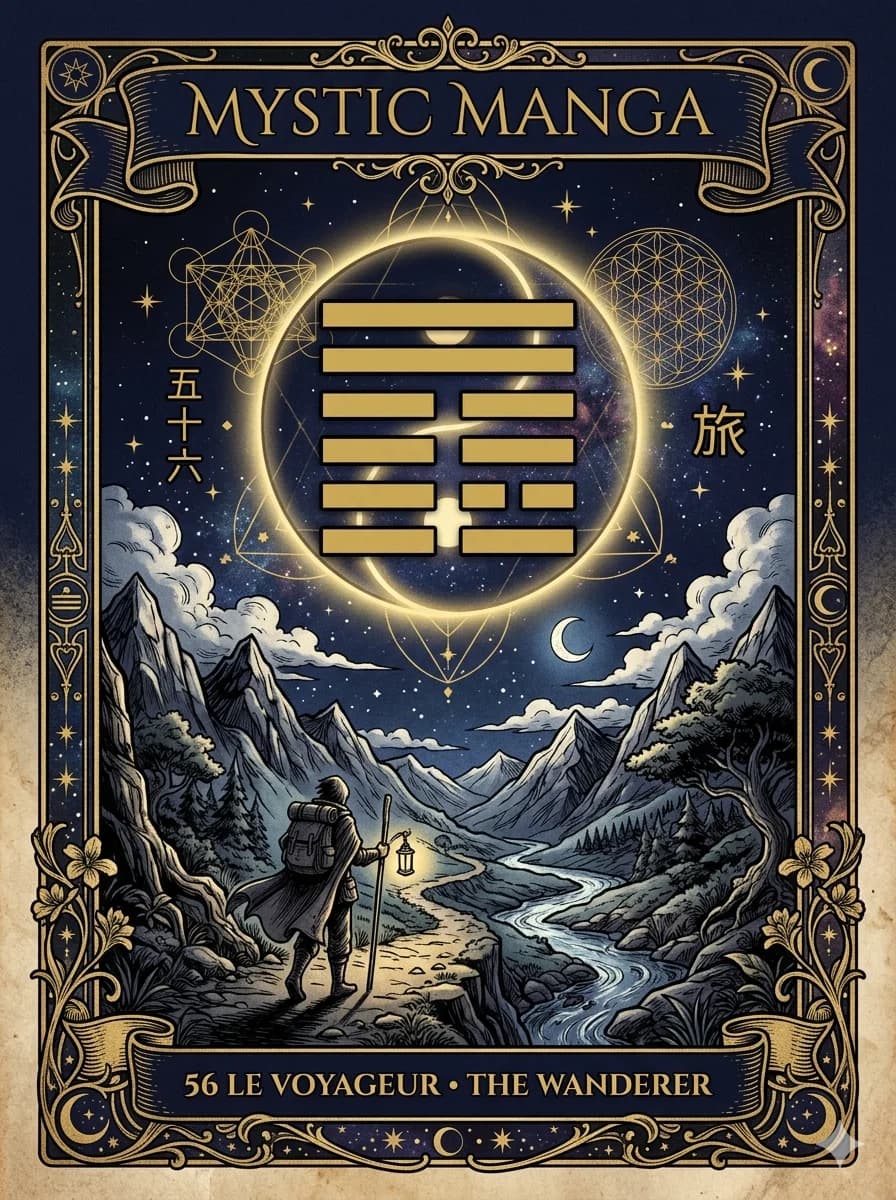
56The Wanderer
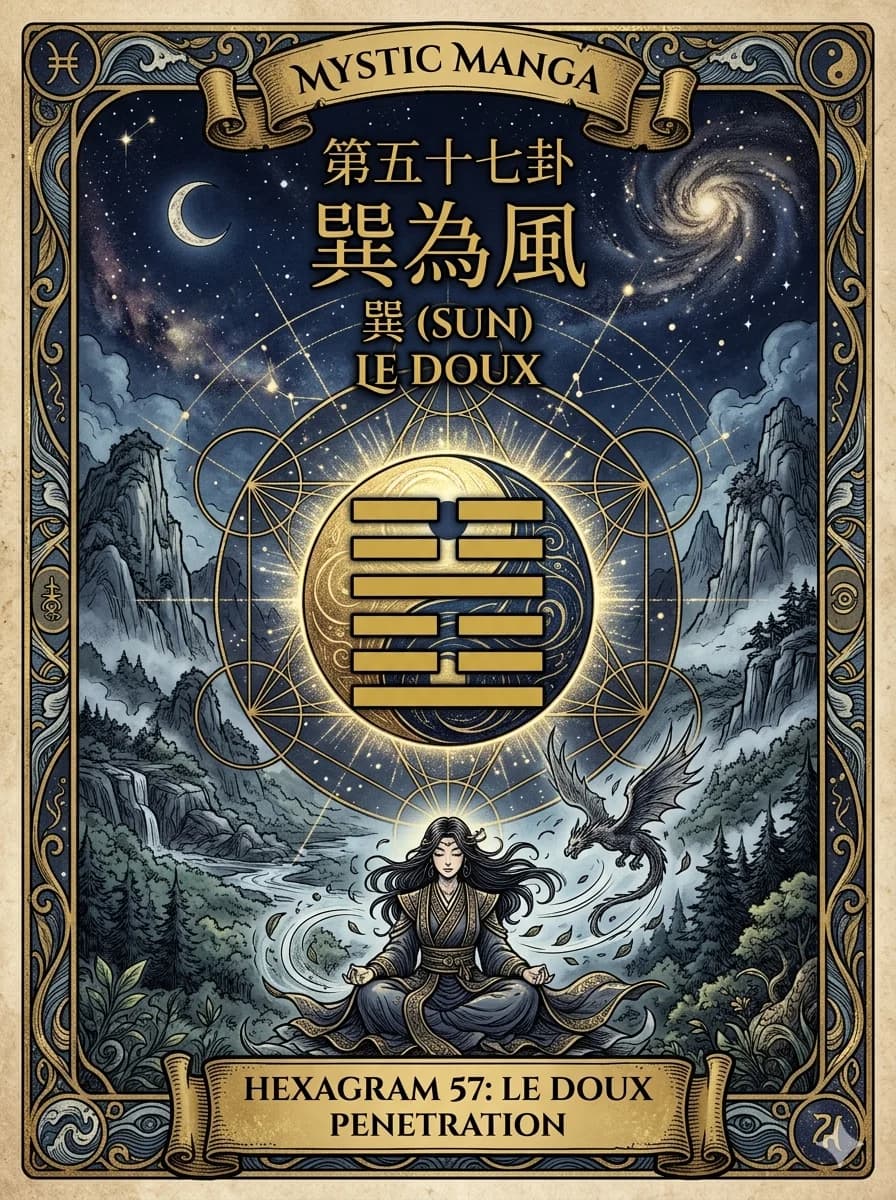
57The Gentle
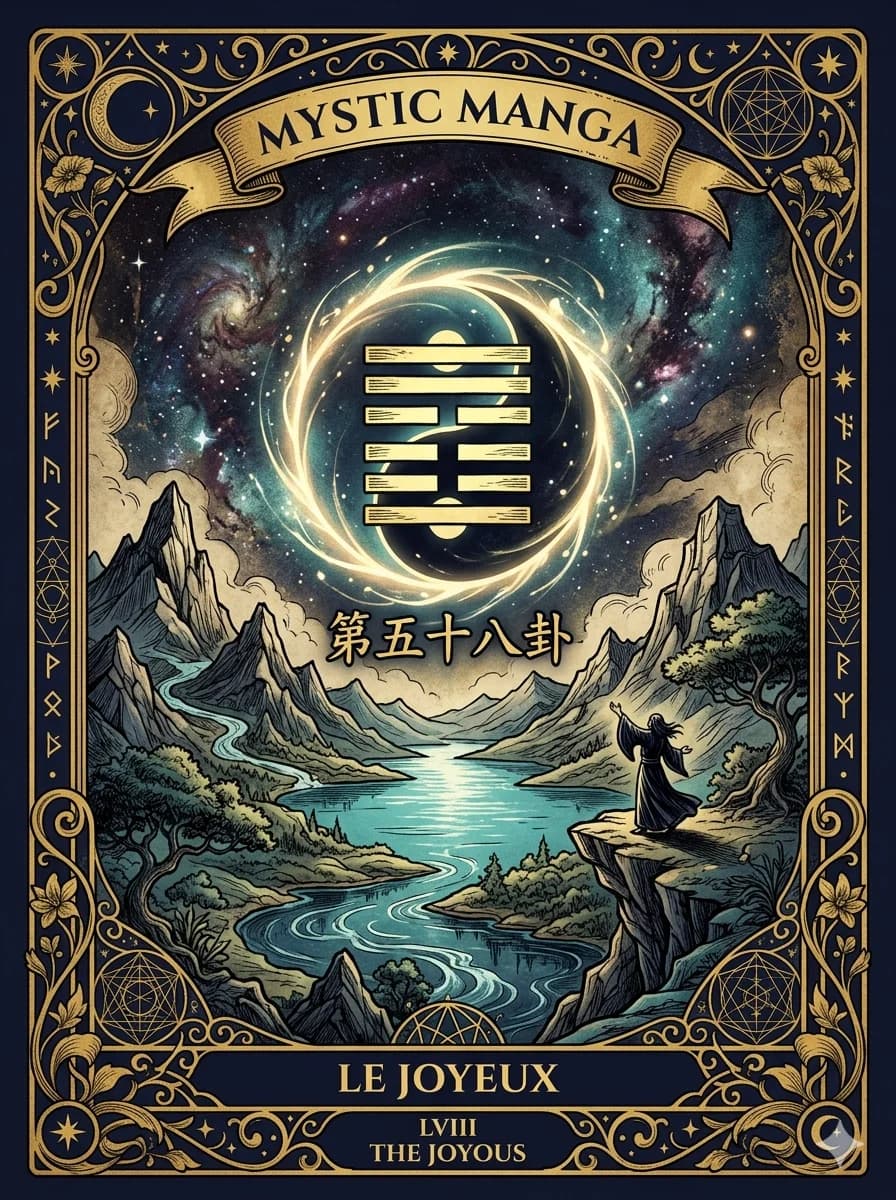
58The Joyous
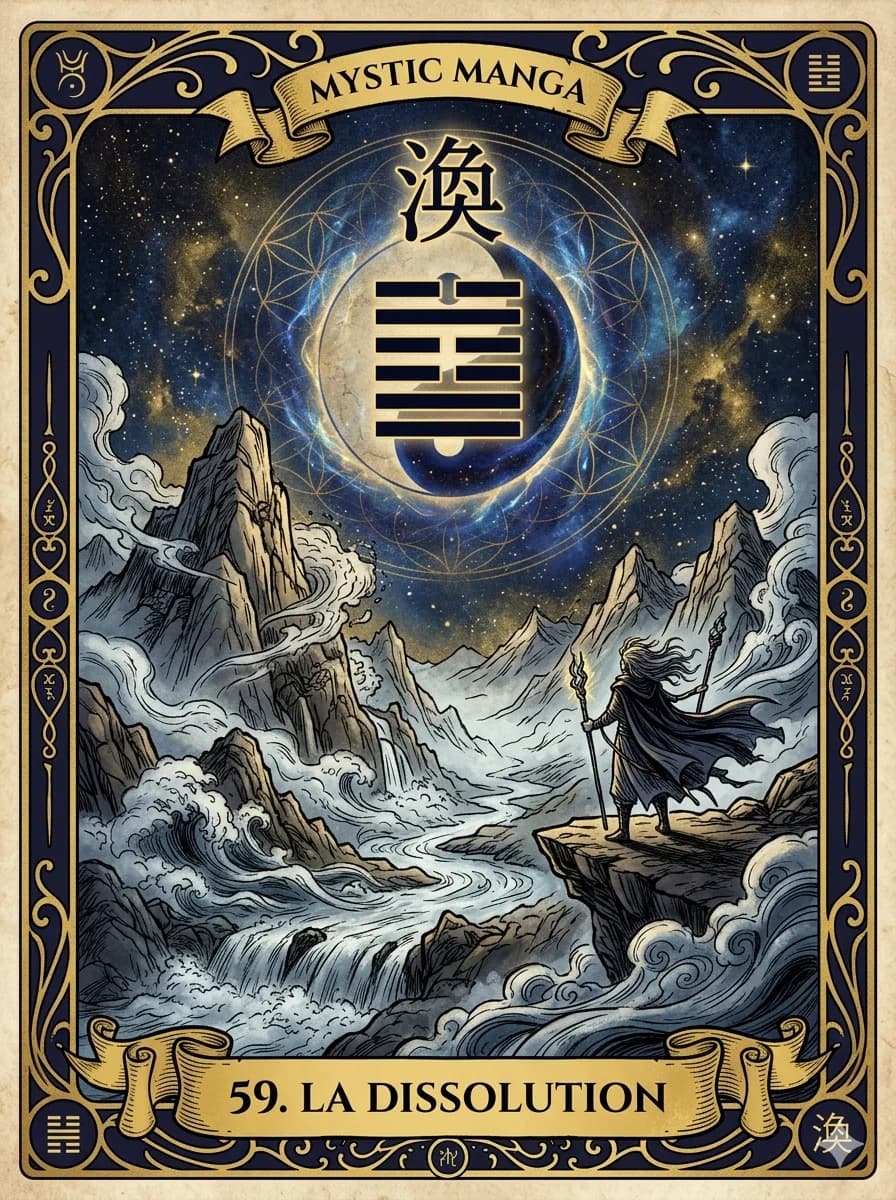
59Dispersion
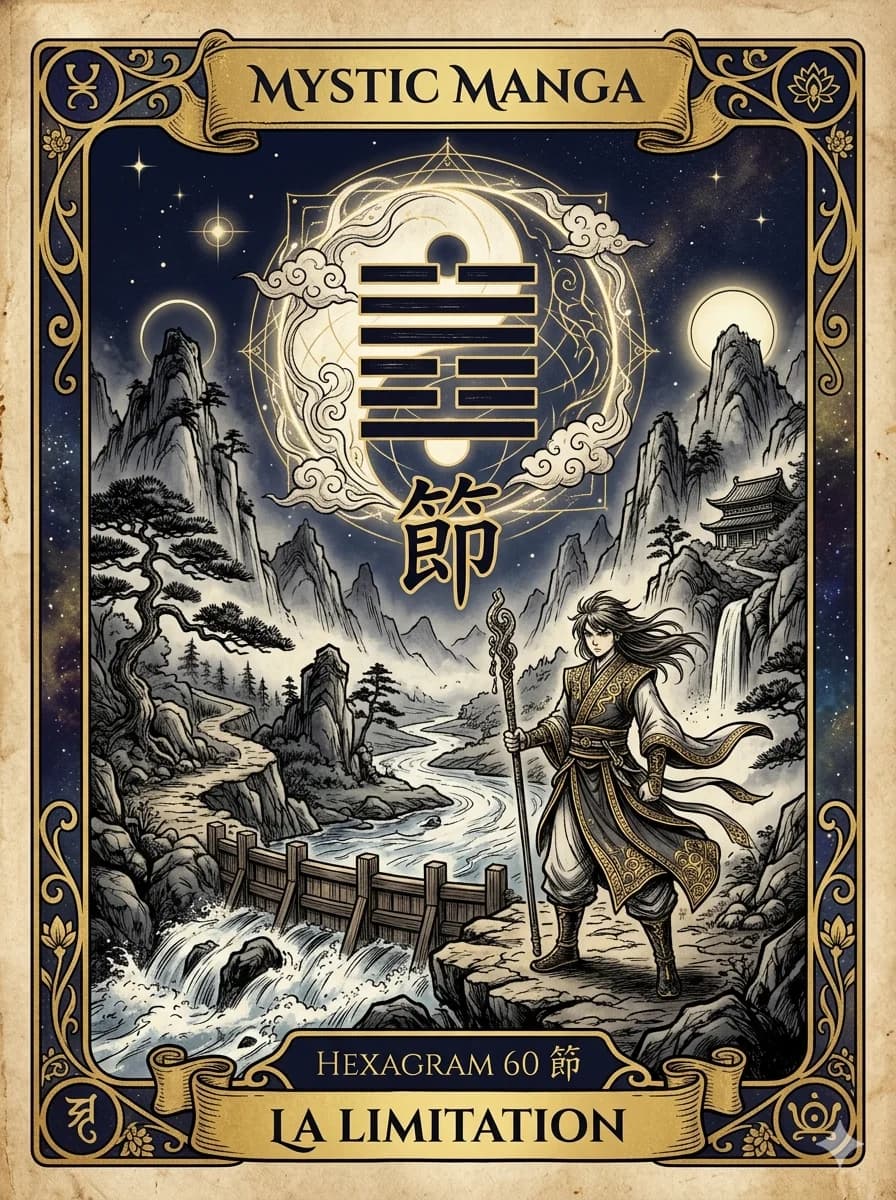
60Limitation
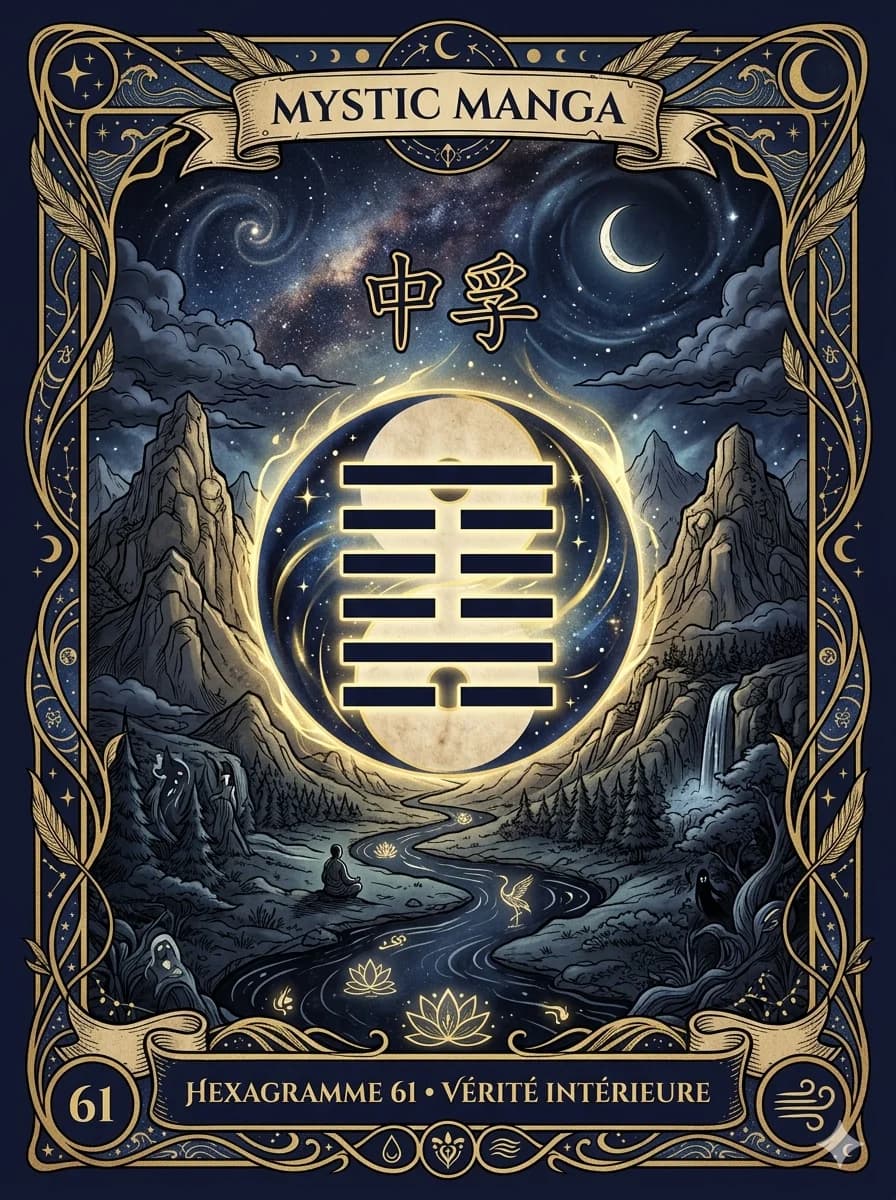
61Inner Truth
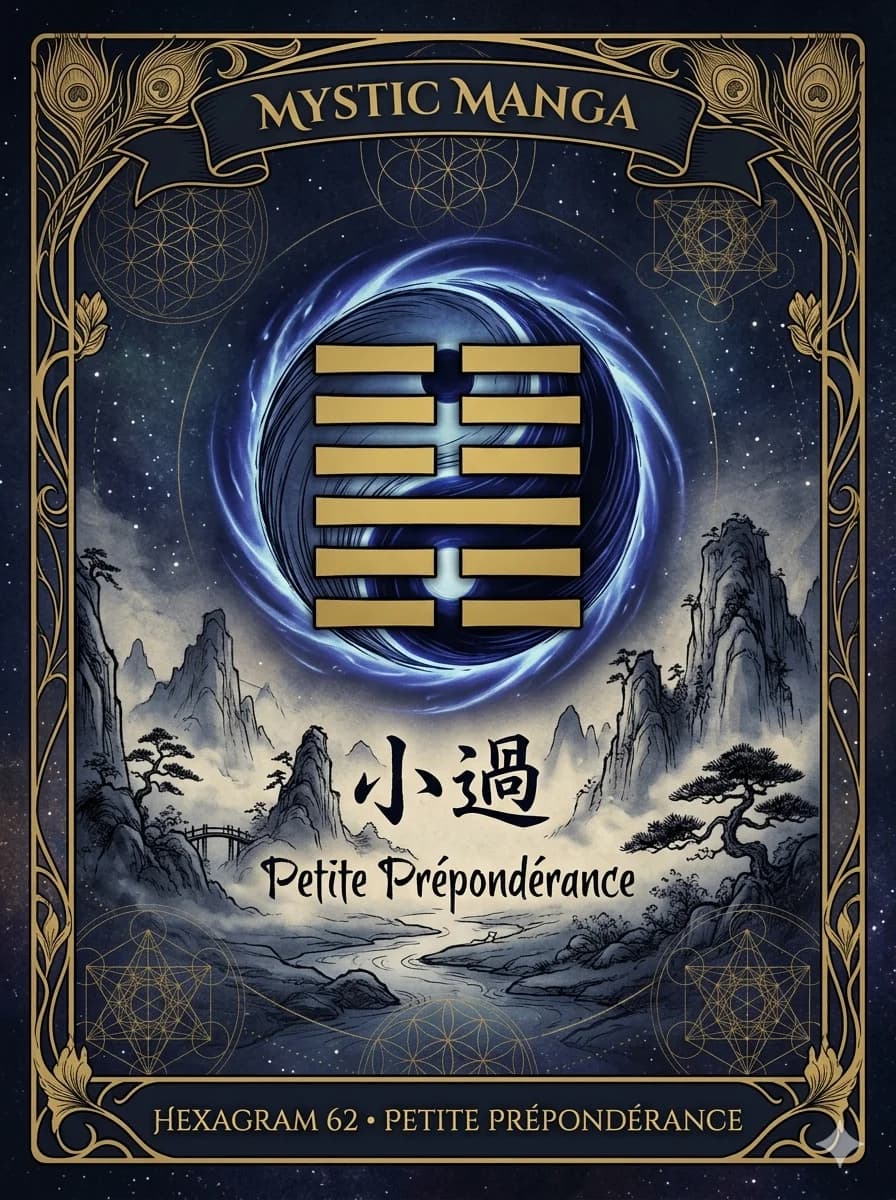
62Preponderance of the Small
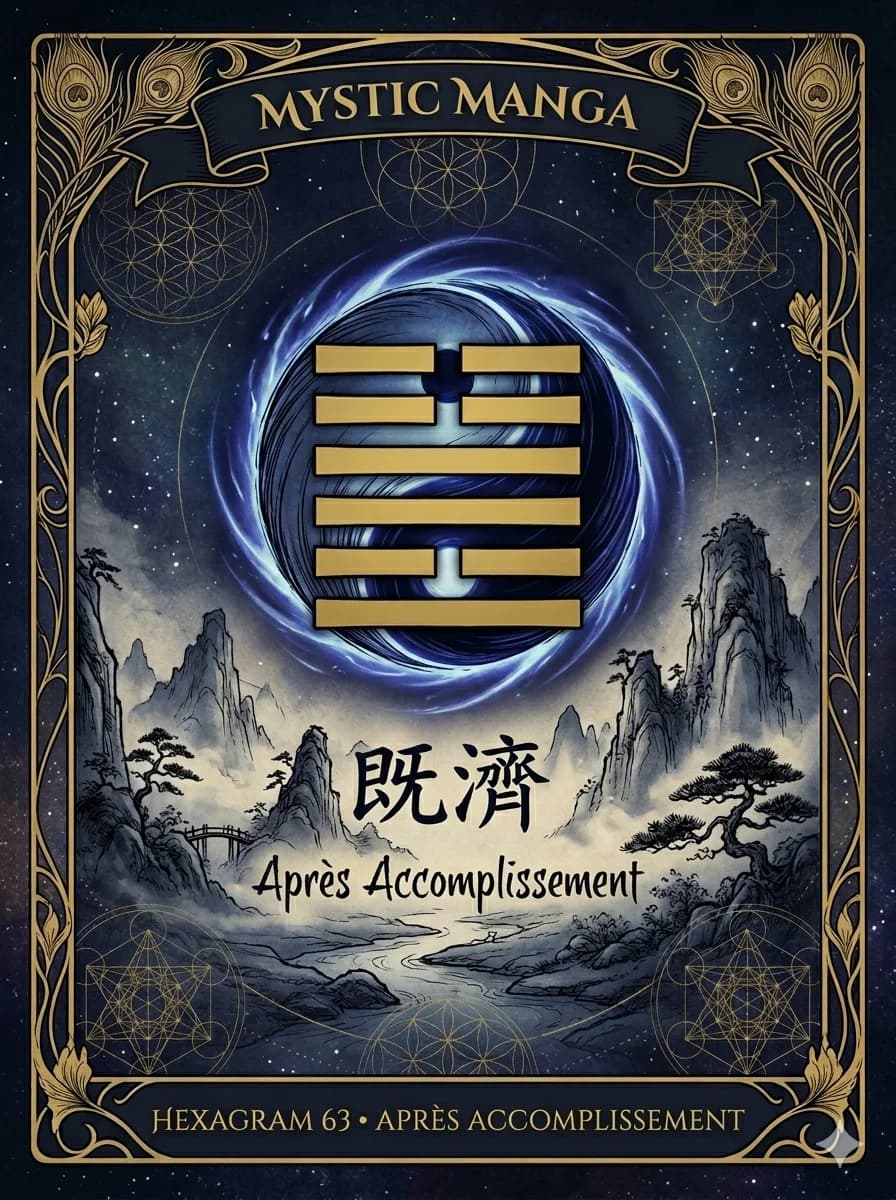
63After Completion
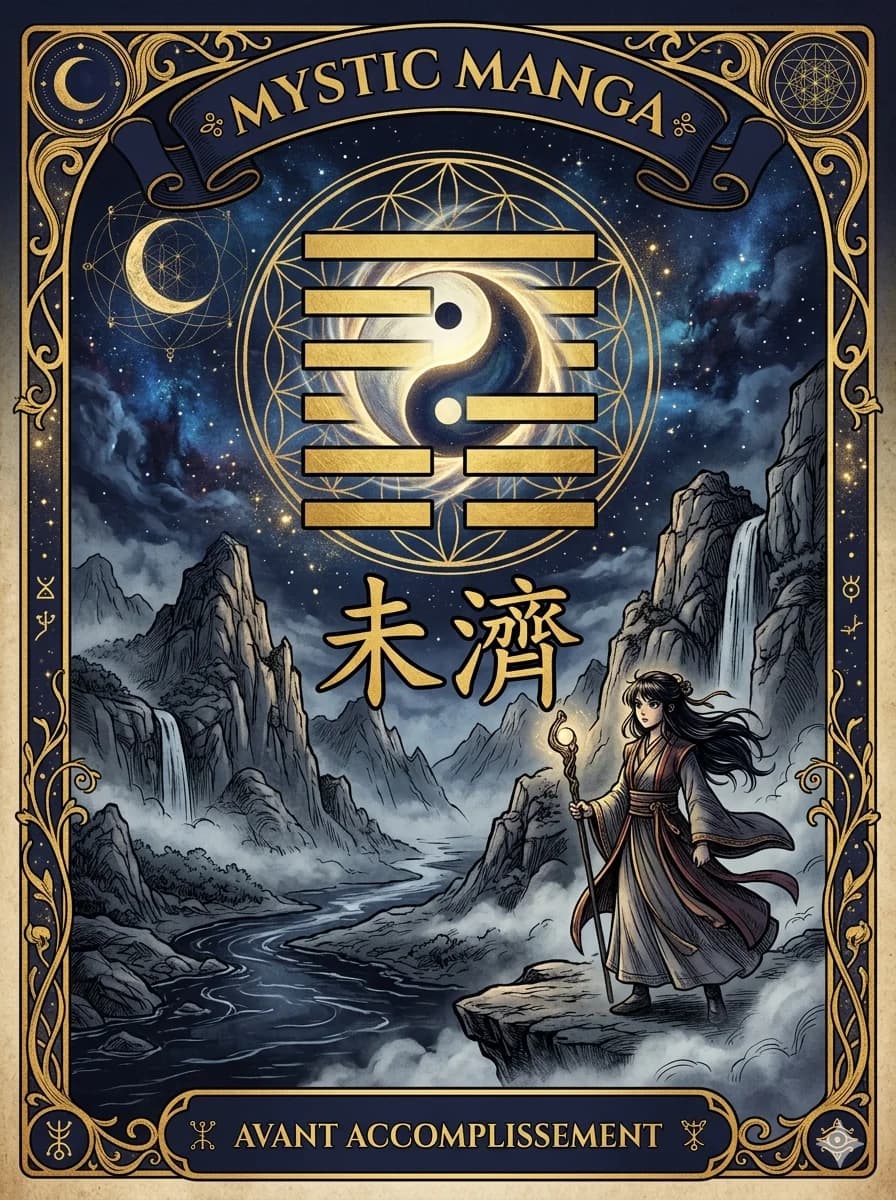
64Before Completion
Frequently Asked Questions
How do you consult the I-Ching?↓
The classic method involves formulating a precise question, then obtaining a hexagram by casting coins (three tosses of three coins per line, six lines in total) or using yarrow stalks (the older, more ritualistic approach). The resulting hexagram is read in the Book of Changes (Zhou Yi): judgment, image, and any changing lines that indicate movement in the situation.
How many hexagrams are there in the I-Ching?↓
The I-Ching contains 64 hexagrams, each formed by two stacked trigrams (6 yin or yang lines). Together they map the full range of human situations and dynamics according to Taoist cosmology. These 64 figures also underlie the Gene Keys system and several contemporary spiritual genetics frameworks.
What are the trigrams of the I-Ching?↓
The eight trigrams (Ba Gua) are the basic units of the system: Heaven (☰), Earth (☷), Water (☵), Fire (☲), Thunder (☳), Wind (☴), Mountain (☶) and Lake (☱). Each hexagram pairs two trigrams, one lower (inner) and one upper (outer), whose interaction shapes the hexagram's meaning.
What is the difference between coin casting and the yarrow stalk method?↓
Coin casting is faster and more widely used: three coins thrown six times produce the lines one by one. The fifty-yarrow-stalk method (one stalk set aside) is older and more ceremonial. It takes roughly 45 minutes and yields slightly different probabilities for changing lines. Both methods are considered valid within the tradition.
What are changing lines?↓
A changing (or moving) line is an unstable line, excess yang or excess yin, that transforms into its opposite. It signals movement within the situation. When a reading contains changing lines, a second hexagram (the transformed hexagram) is read alongside the first to understand how the situation is likely to evolve.
Does the I-Ching predict the future?↓
The I-Ching is not a tool for literal prediction. It functions as a mirror of the present dynamic: it offers a symbolic reading of the current moment and the forces at play, not a fixed certainty about what will happen. Taoist tradition emphasises that the future remains open: the reading invites reflection and adjustment of action, never fatalism.
Sunday Reading 🌙
One card, one intention, every Sunday morning.