Norse Runes
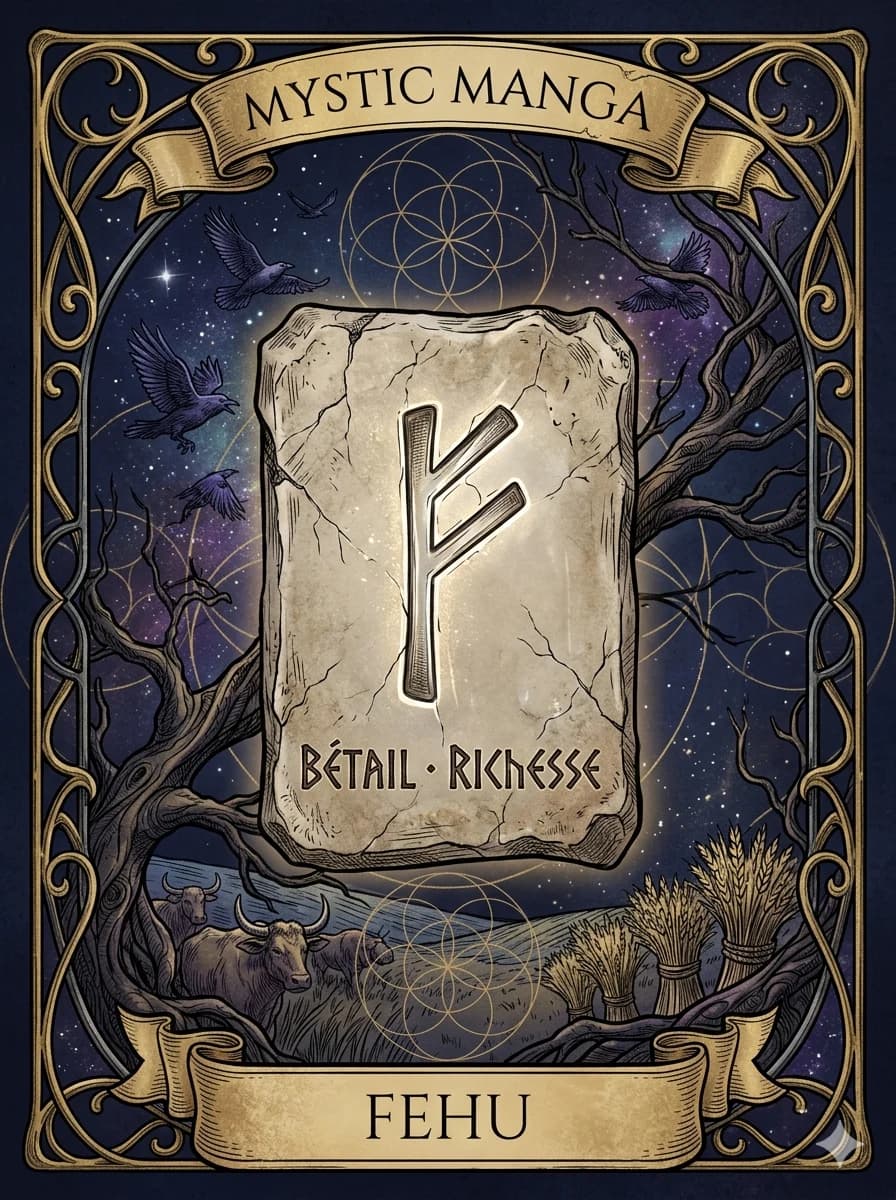
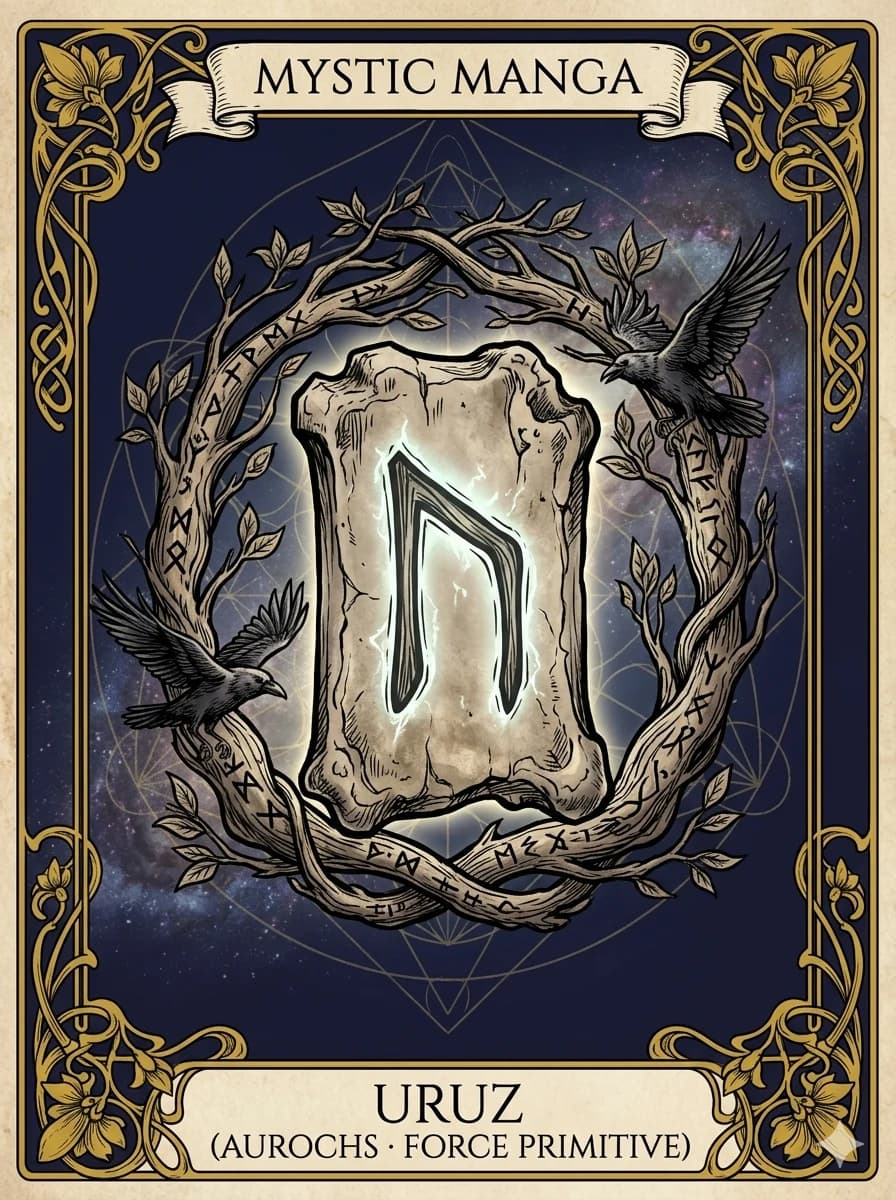
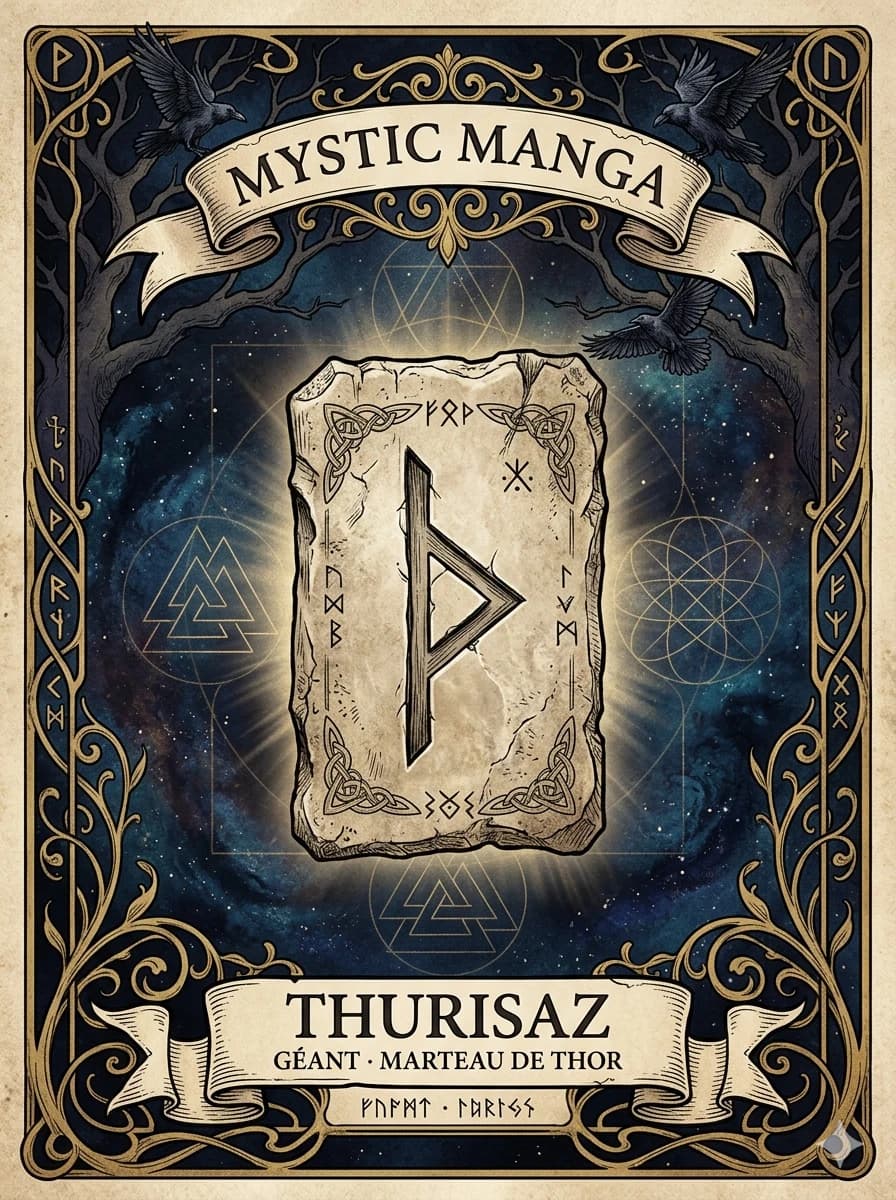
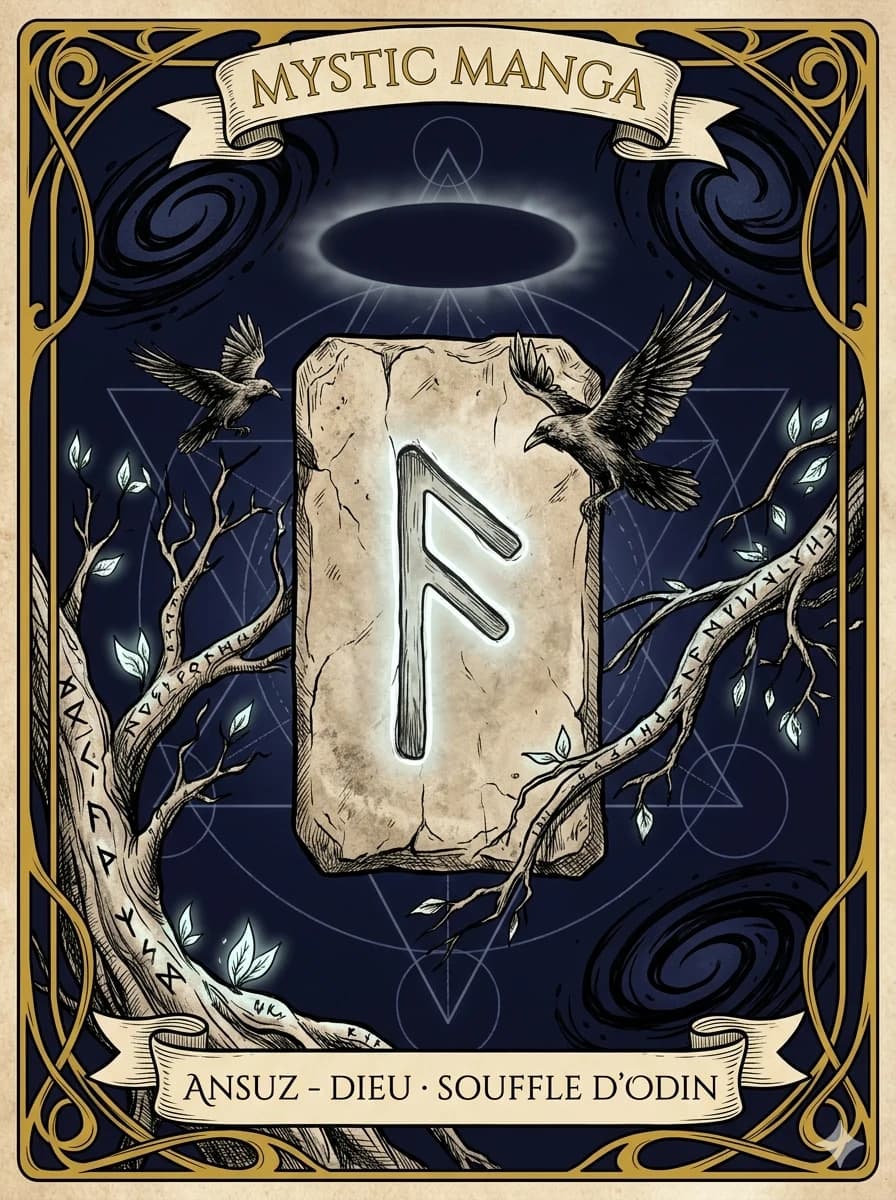
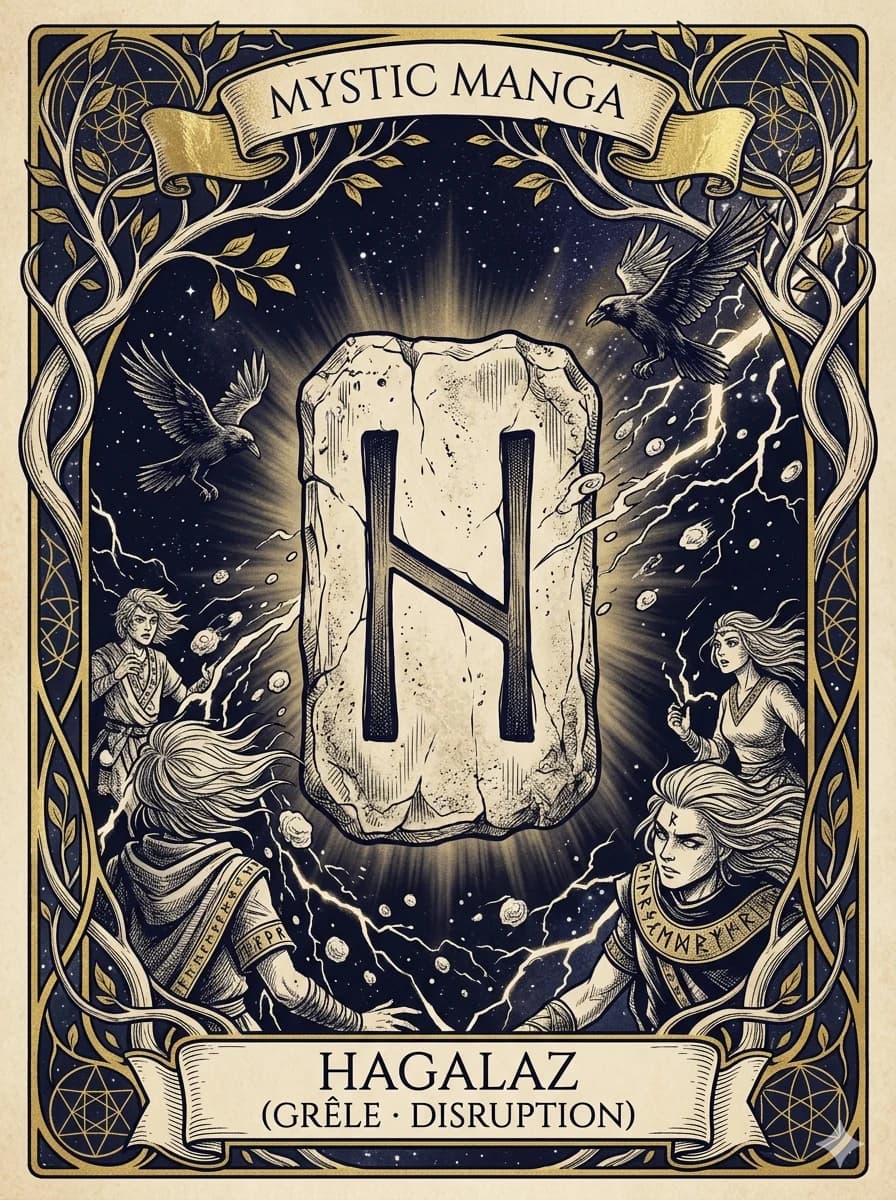
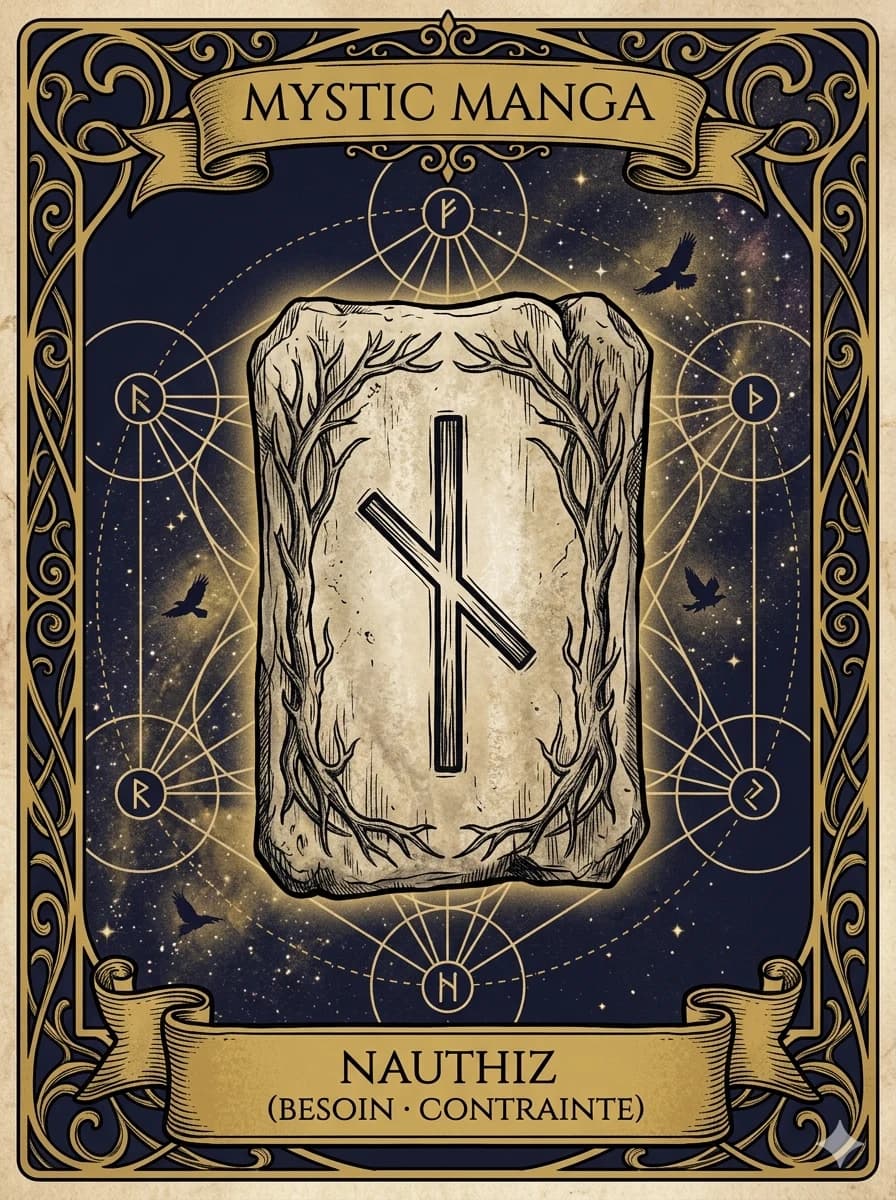
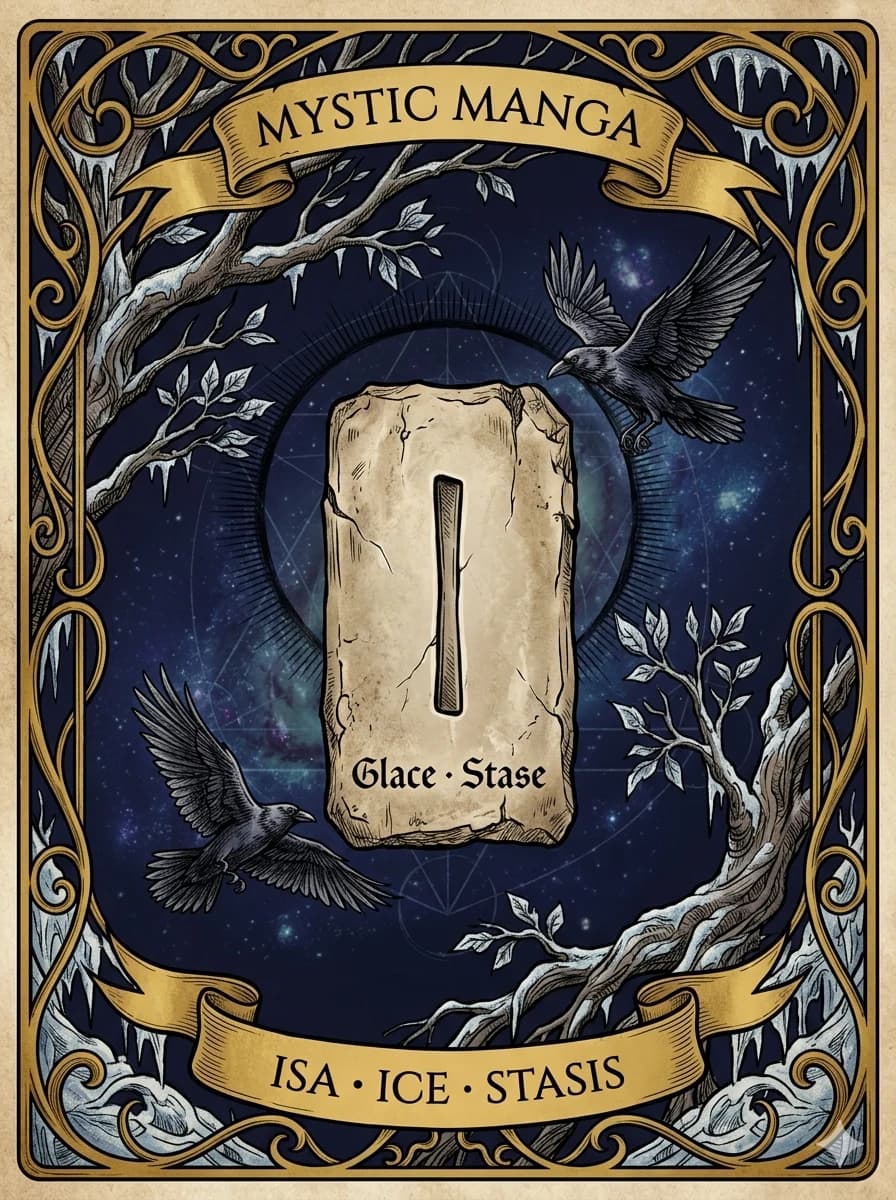
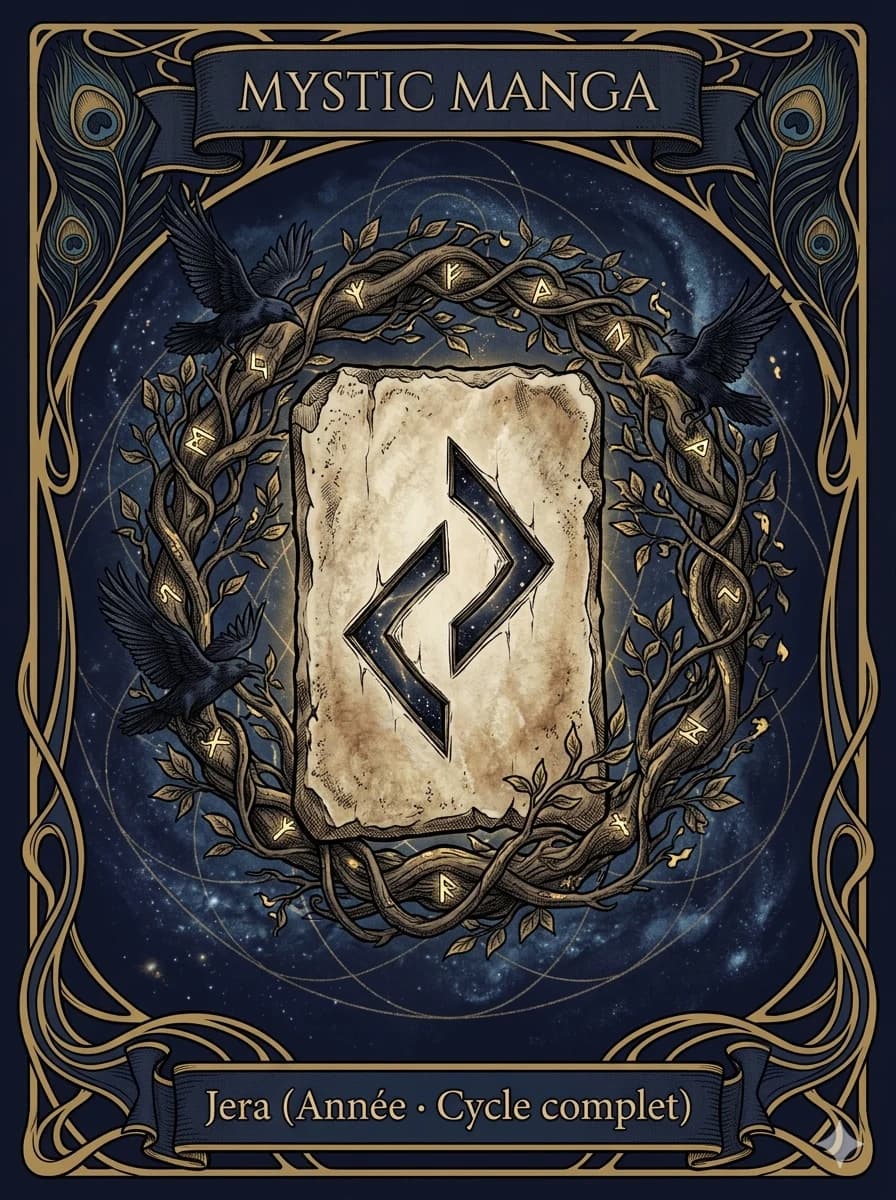
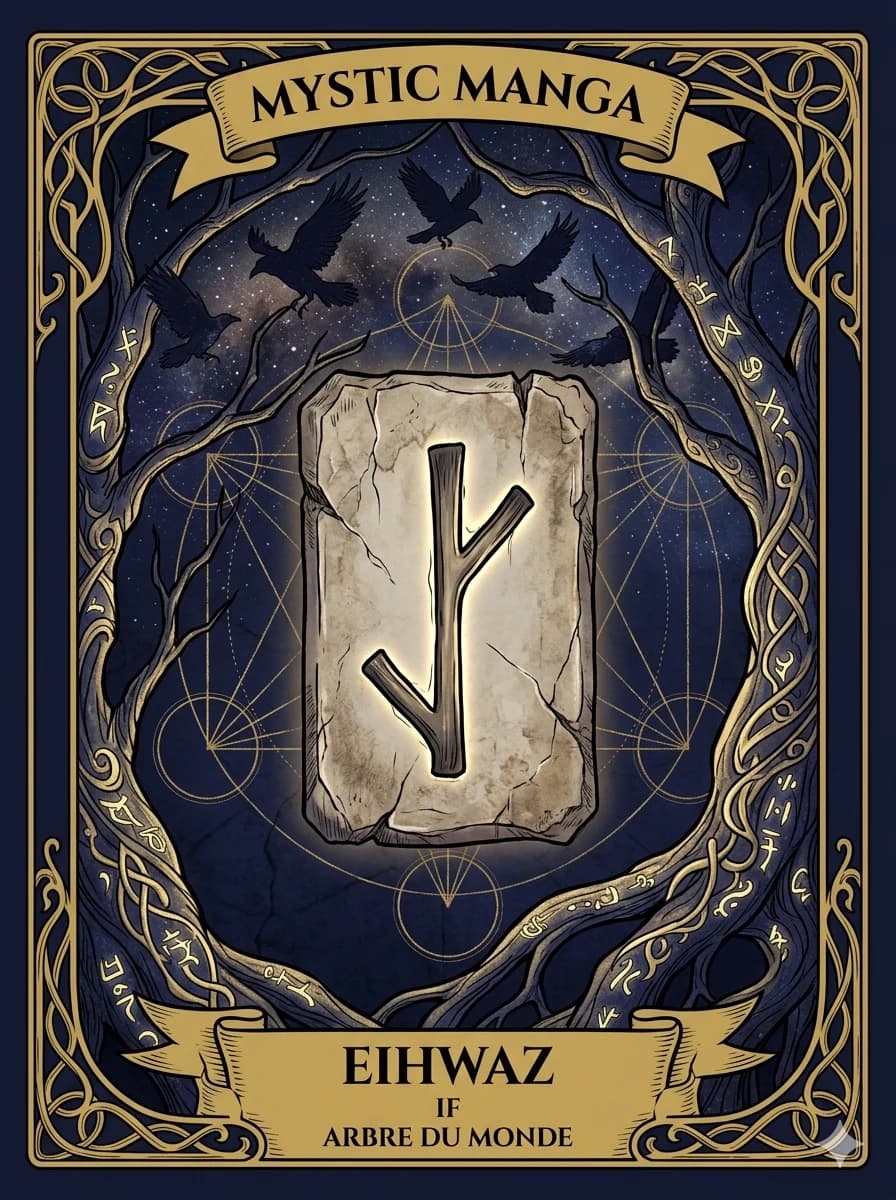
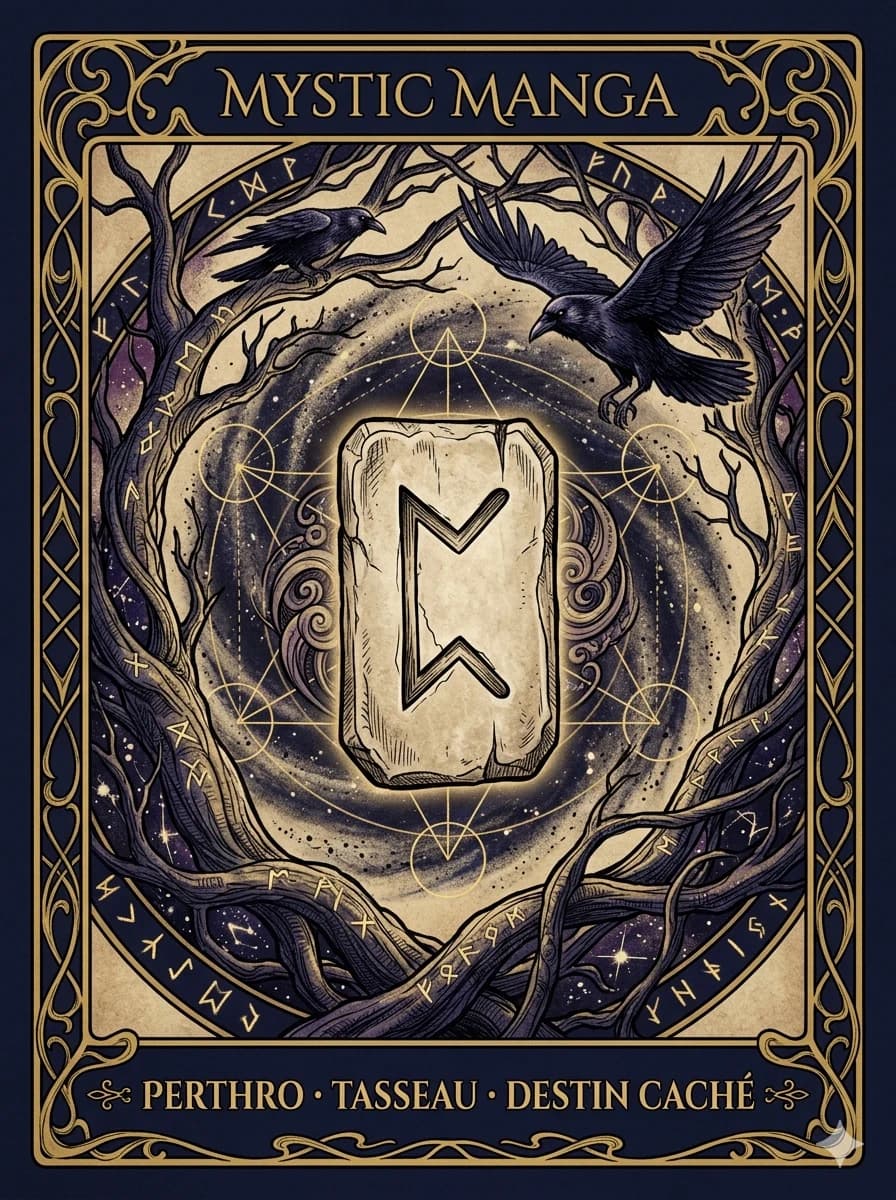
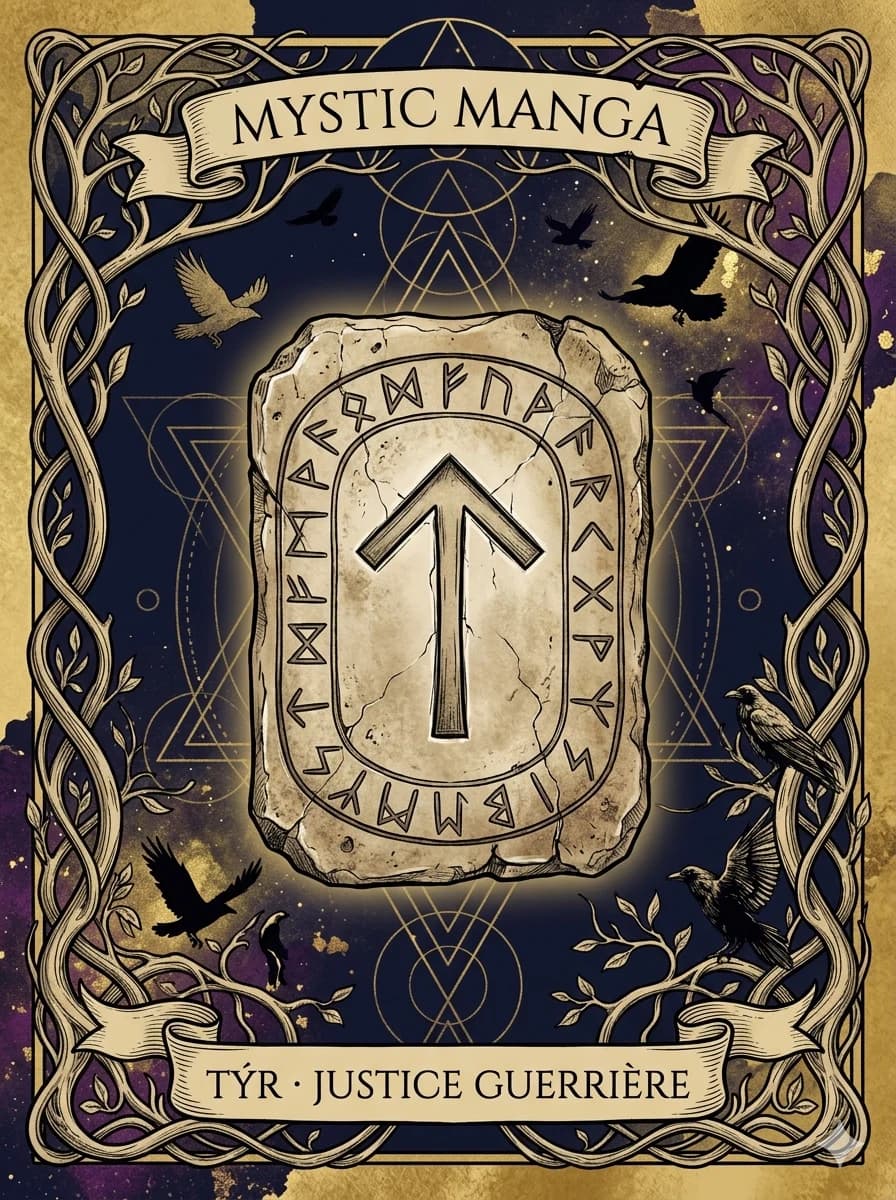
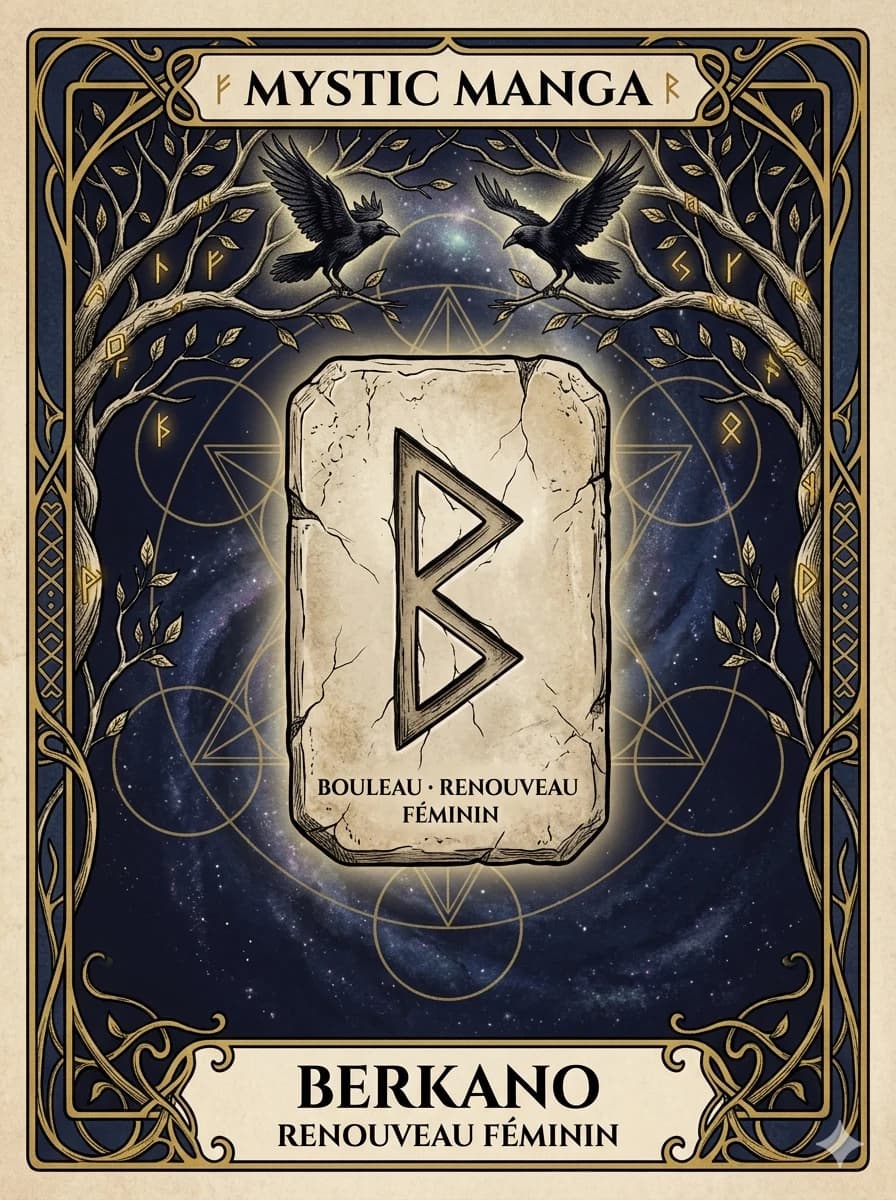
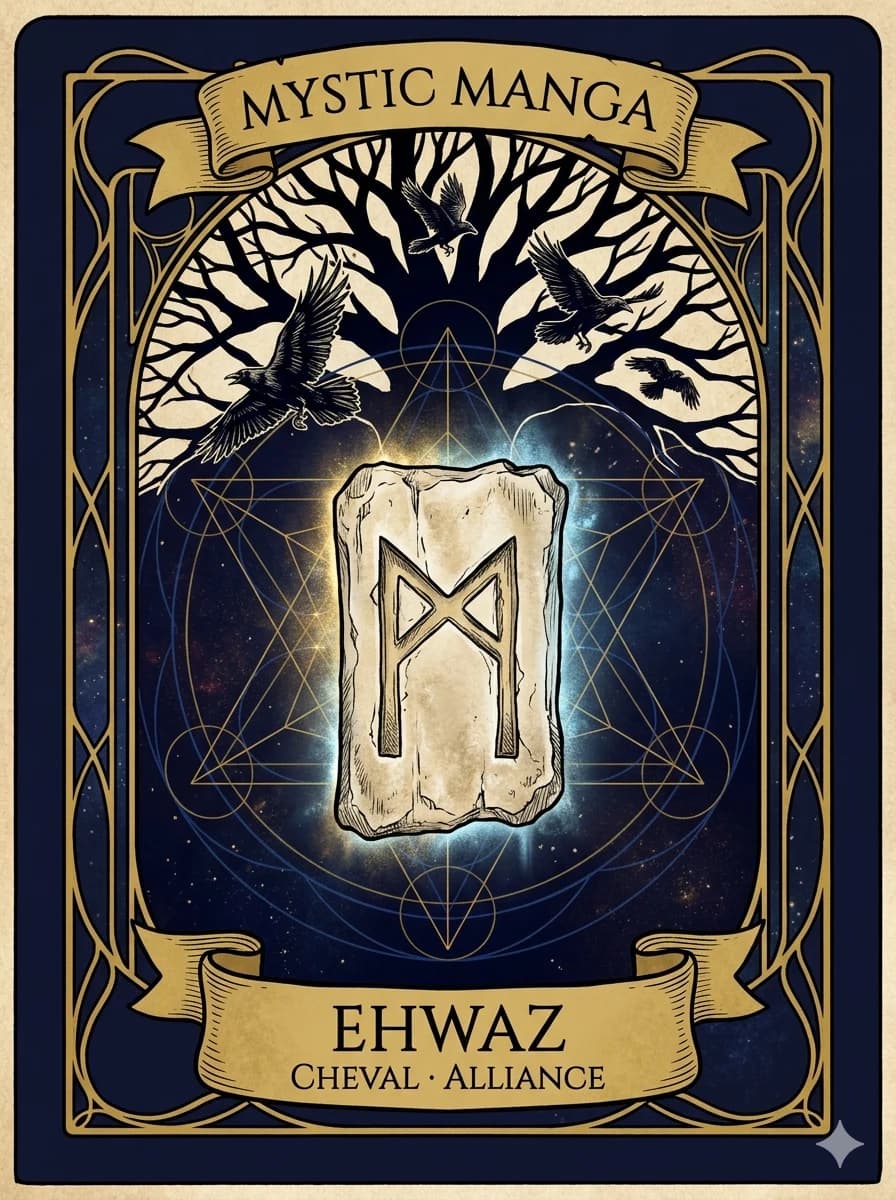
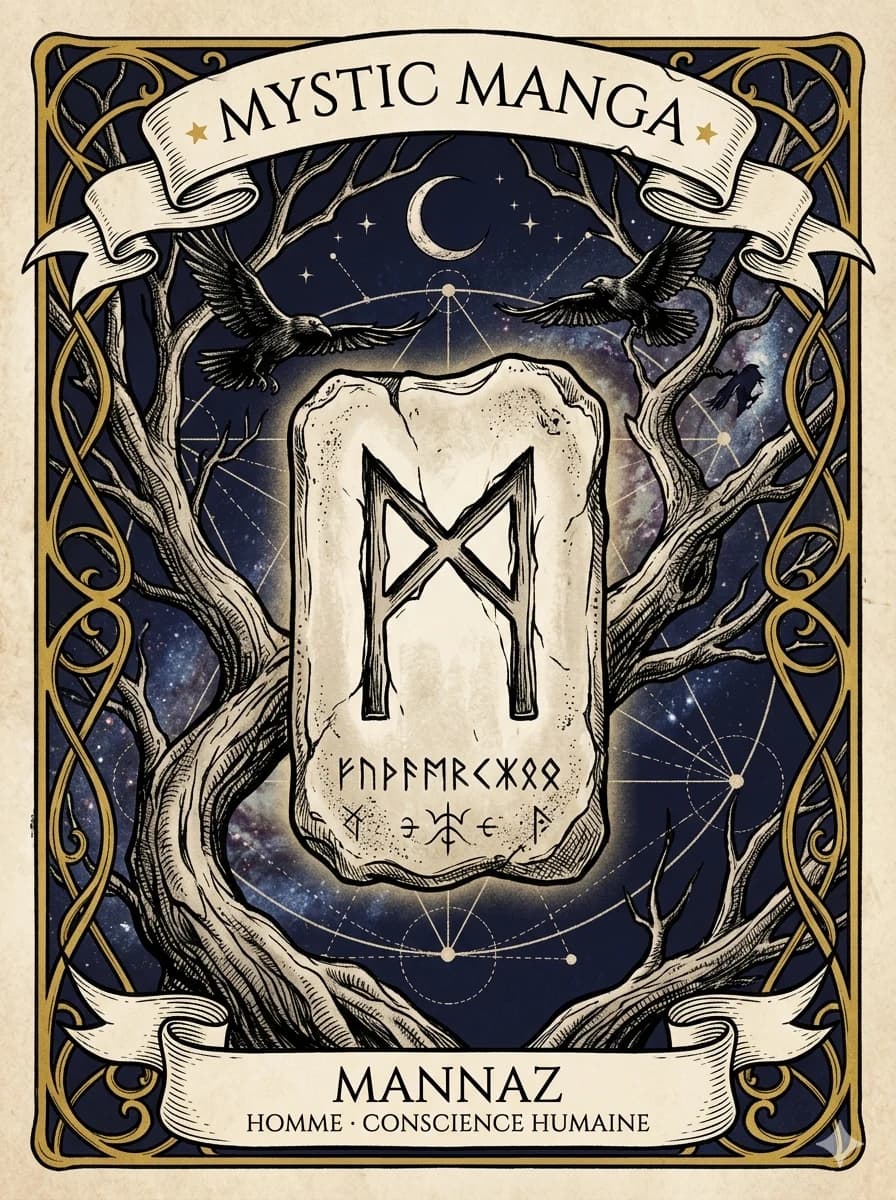
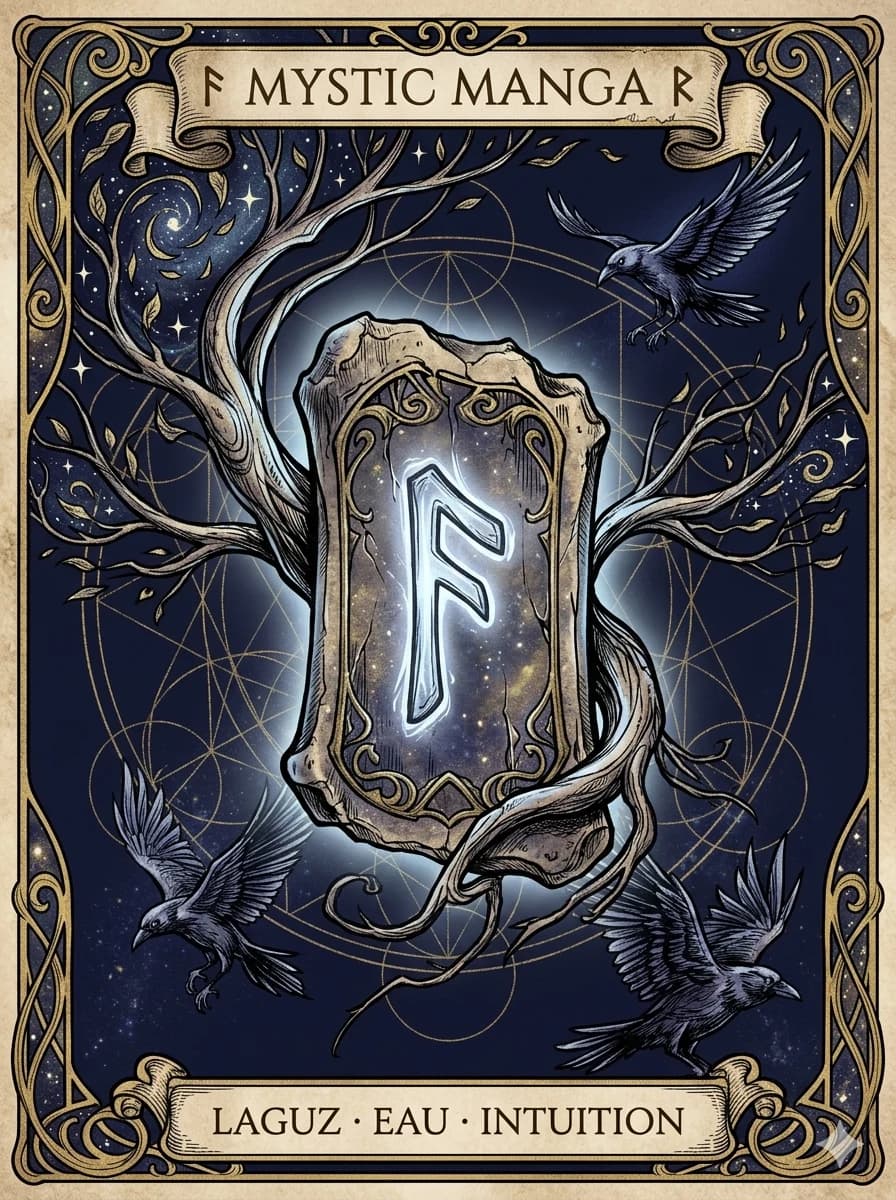
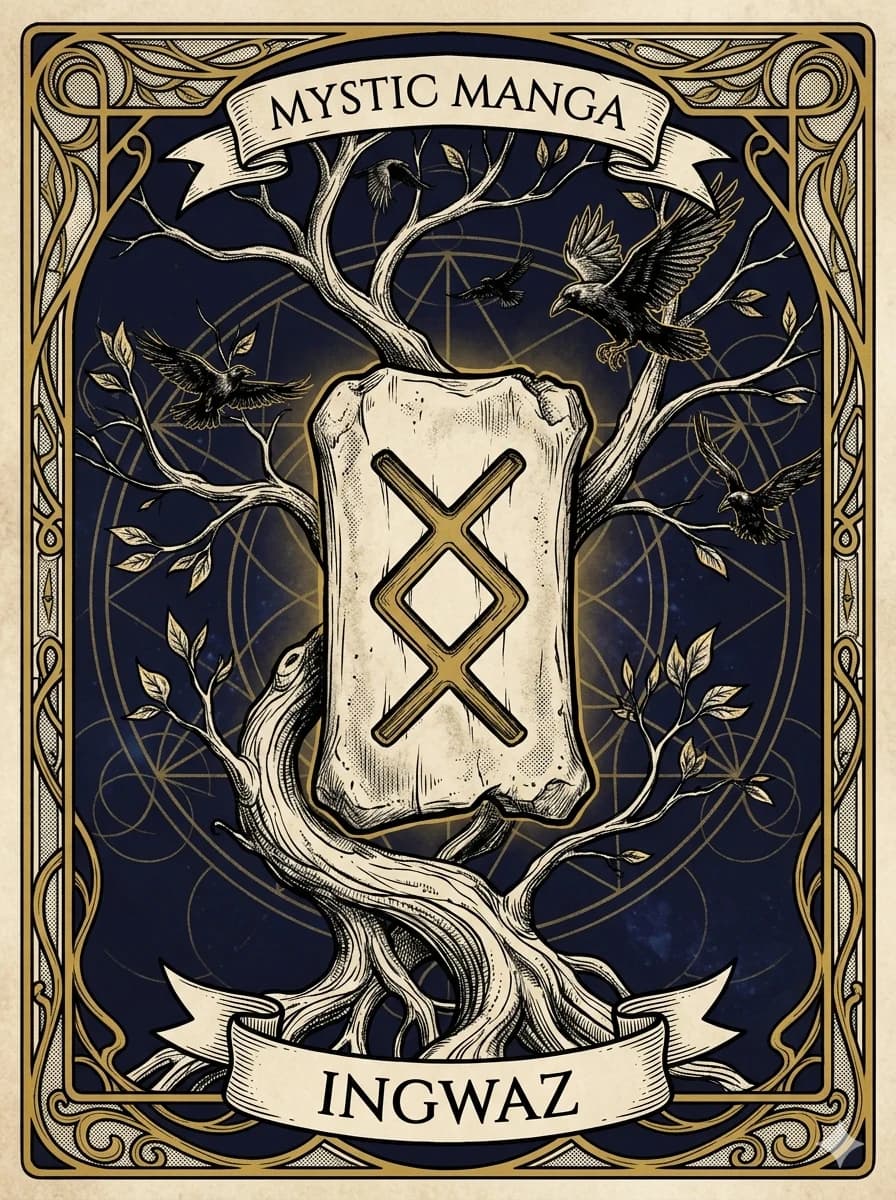
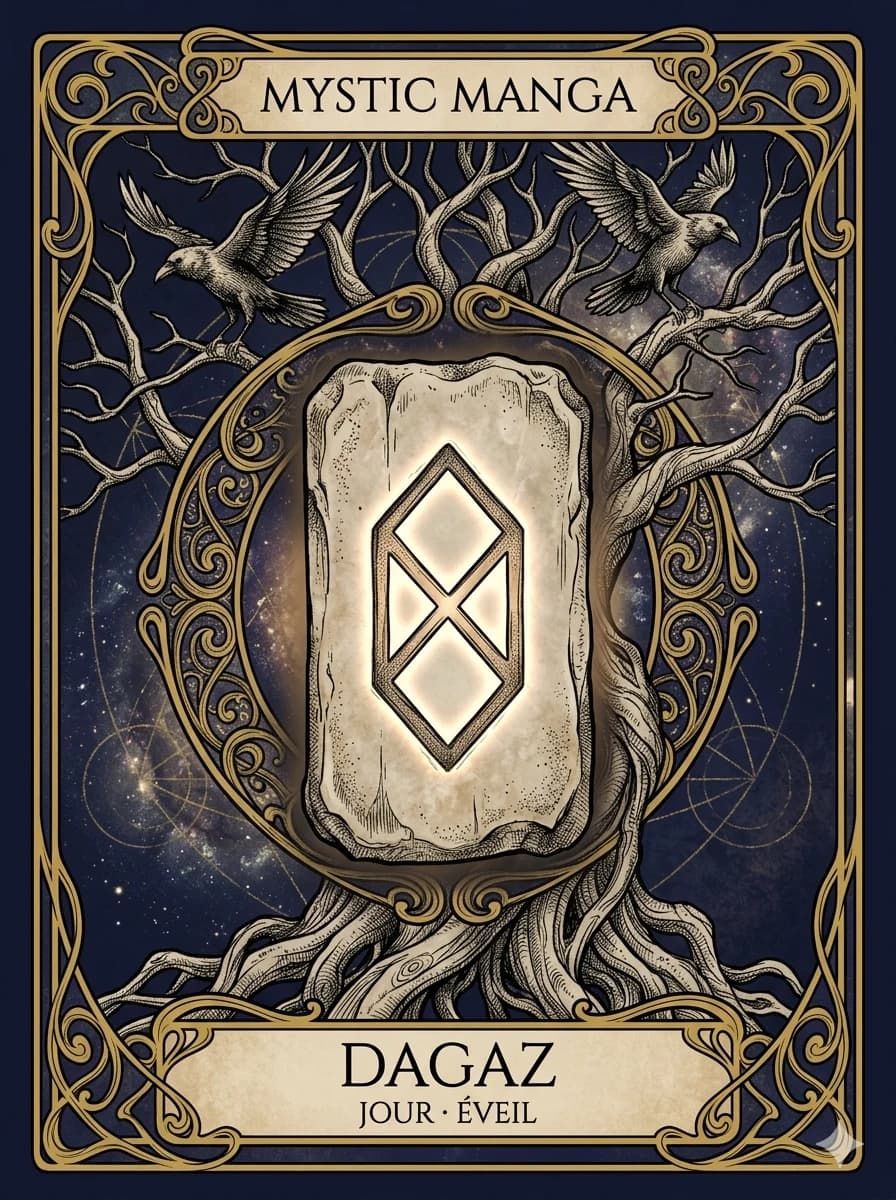
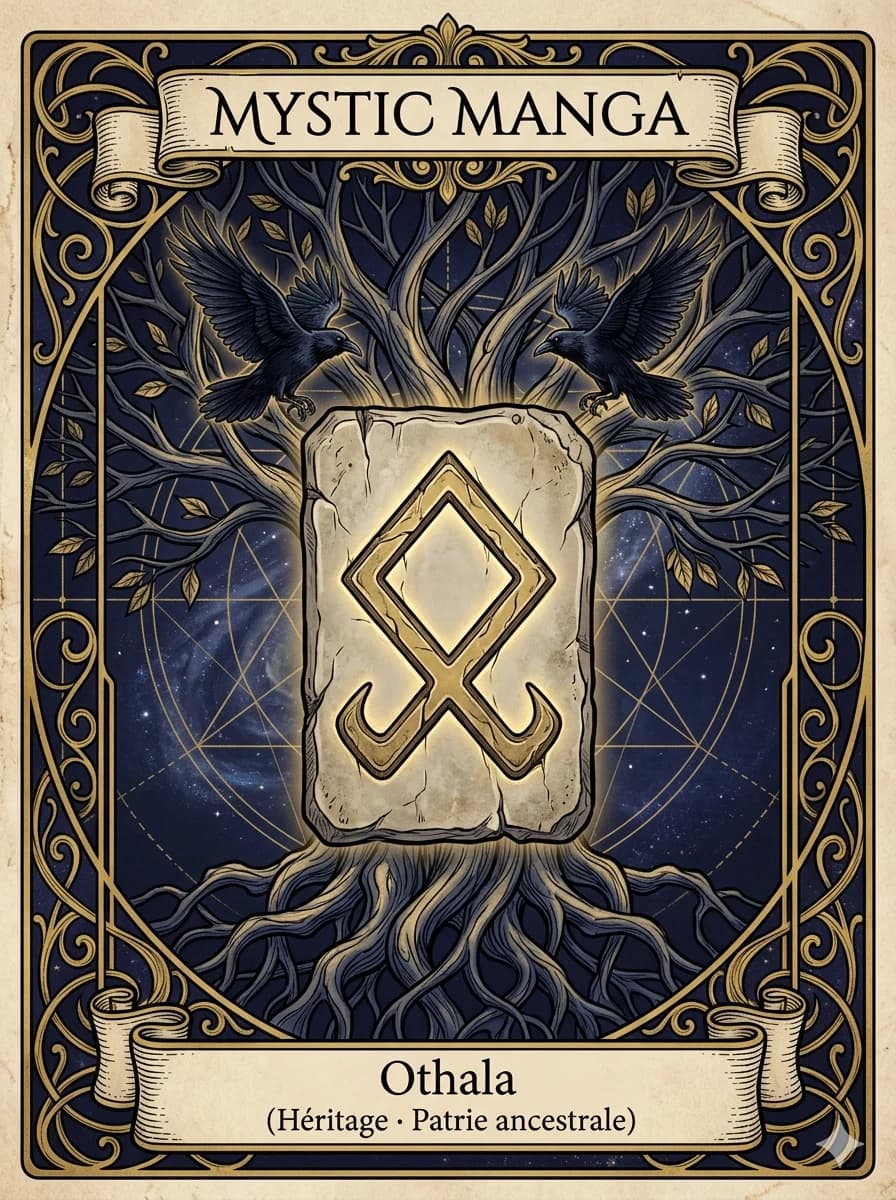
The 24 runes of the Elder Futhark: the oldest alphabet of the Germanic peoples, used for divination, magic and writing the sacred word.
In short
How does a rune reading work?
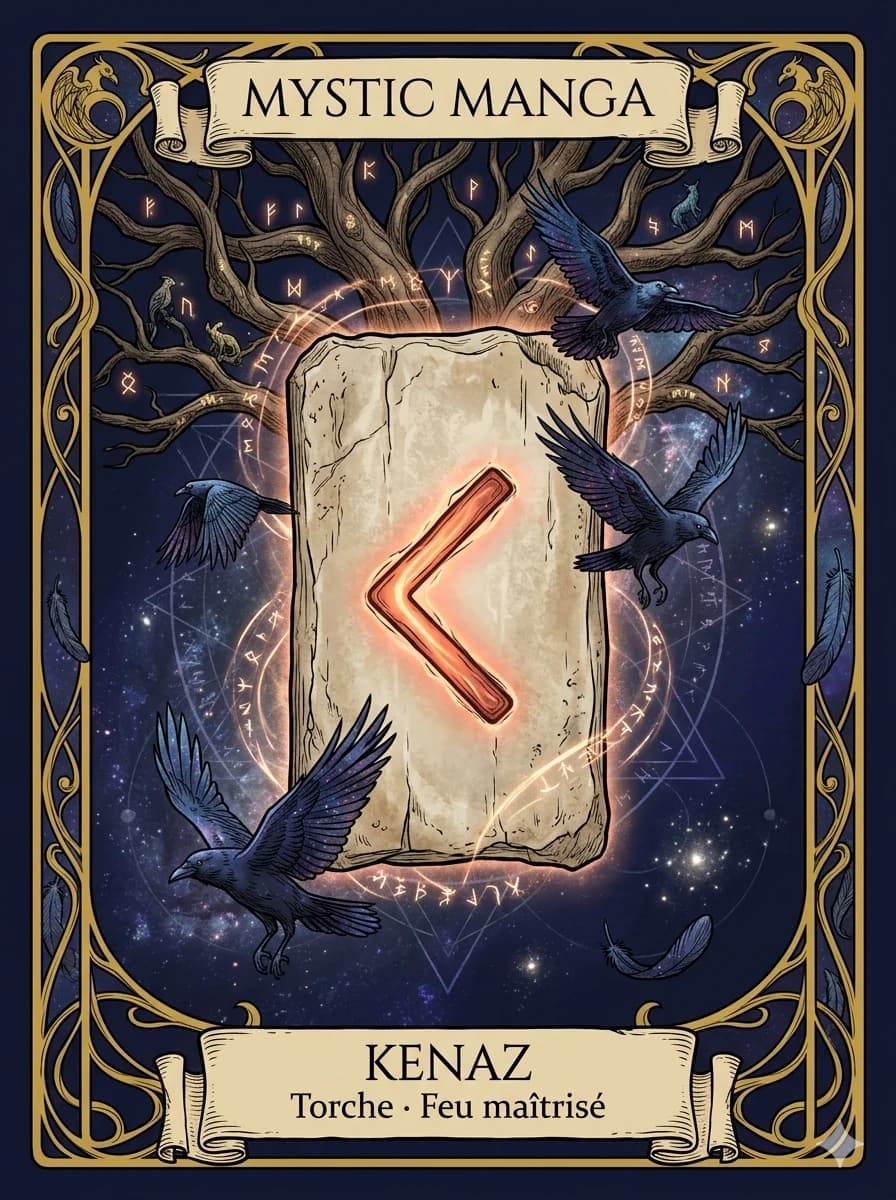
The 24 runes of the Elder Futhark each carry a name, an element and a divinatory meaning. Draw one for daily guidance or several for a fuller reading; a reversed (merkstave) rune tempers or reverses its message.
Frequently Asked Questions
How many runes are in the Elder Futhark?↓
The Elder Futhark contains 24 runes, divided into three groups of eight called aetts. It is the oldest known runic alphabet, attested from the Germanic Iron Age (2nd–8th century CE).
What are the three aetts of the runes?↓
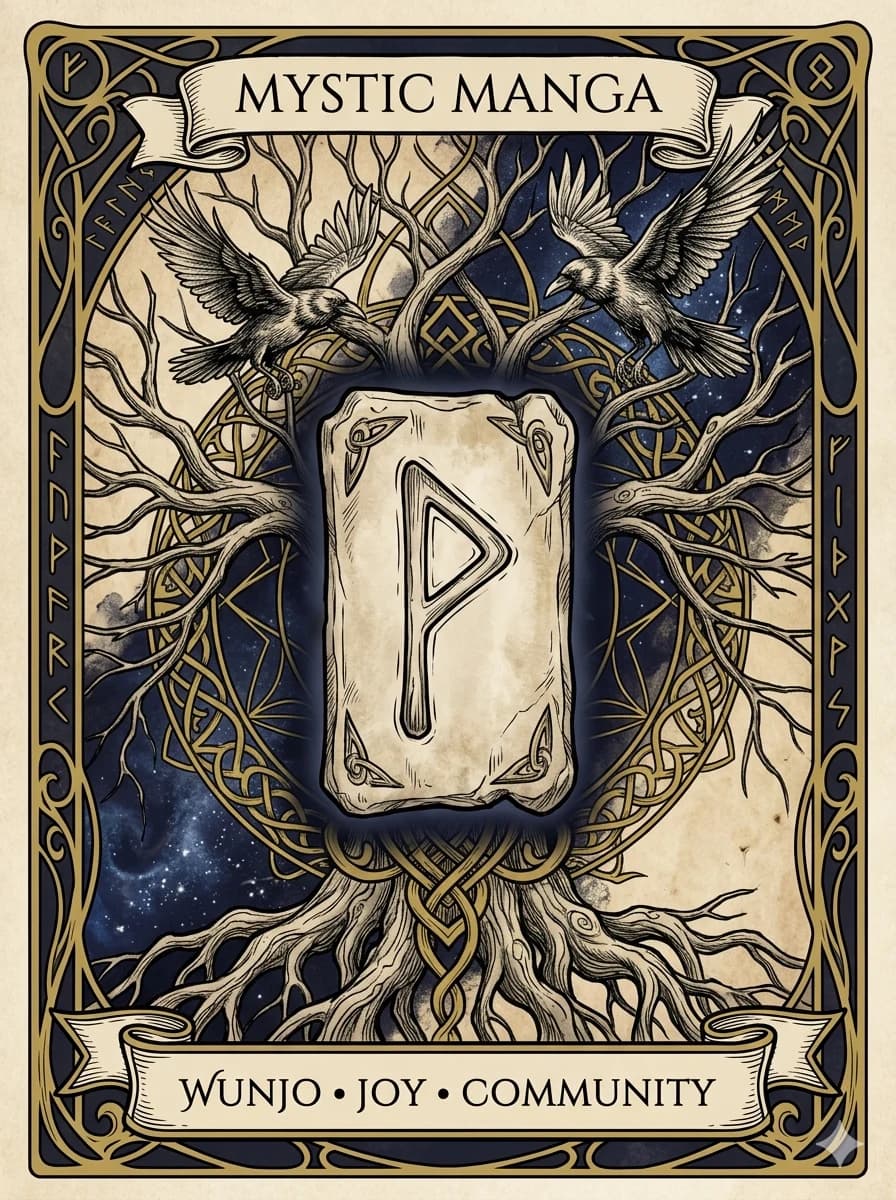
The 24 runes are split into three aetts of 8 runes each: the Aett of Freyr/Freyja (Fehu to Wunjo, matter, vitality), the Aett of Heimdall (Hagalaz to Sowilo, trials, transformation), and the Aett of Tyr (Tiwaz to Othala, order, legacy). Each aett is associated with a Norse deity and a thematic cycle.
How does rune casting work?↓
Rune casting is a Nordic symbolic divination practice. Common methods include drawing a single rune for daily guidance, or laying three runes for a past/present/future reading. Runes are drawn from a pouch after focusing on a question, then interpreted according to their upright or reversed (merkstave) position. There is no single prescribed method: the ritual is personal.
What does a reversed rune (merkstave) mean?↓
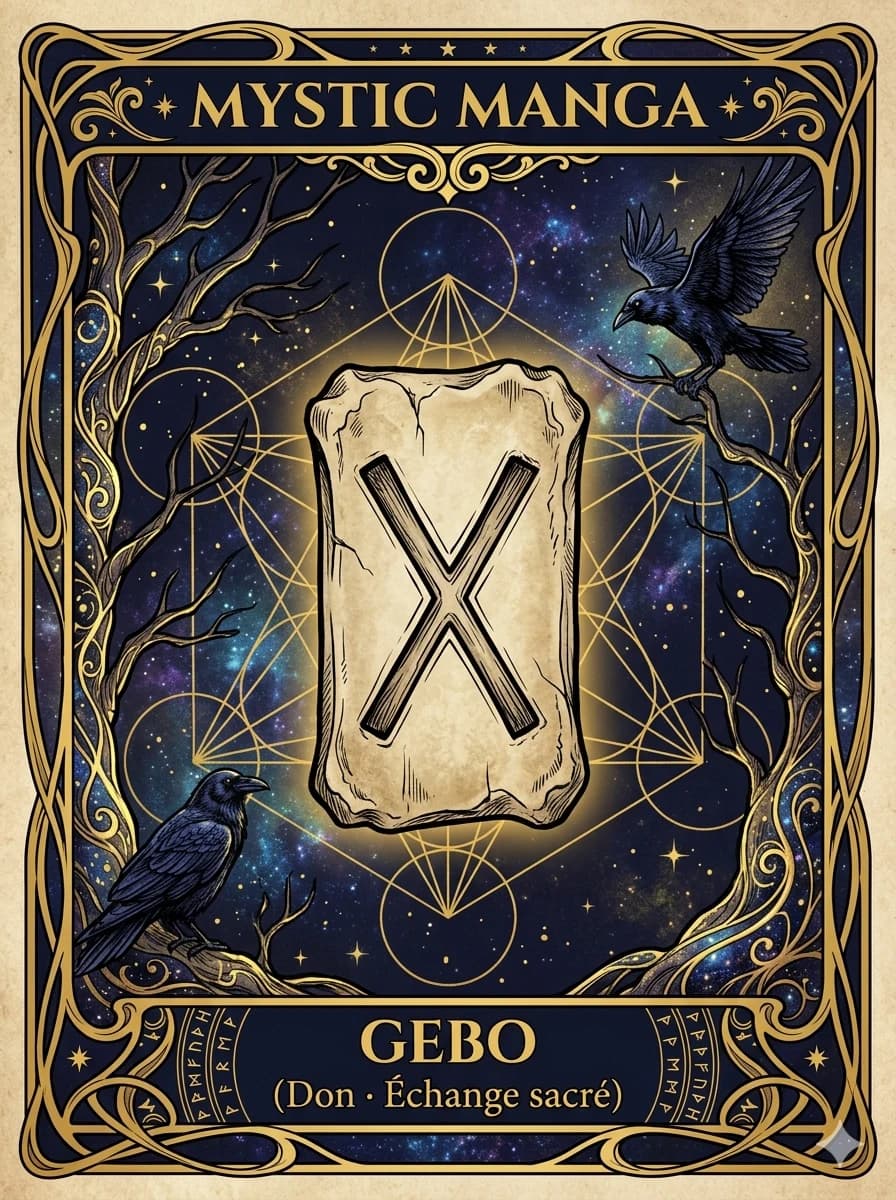
A merkstave rune is one drawn upside down. Its meaning is generally tempered, blocked, or inverted compared to the upright position. Note that some symmetrical runes (such as Gebo ᚷ or Isa ᛁ) have no distinct reversed position. Interpretation of reversed runes varies across runic traditions.
Which is the most powerful rune?↓
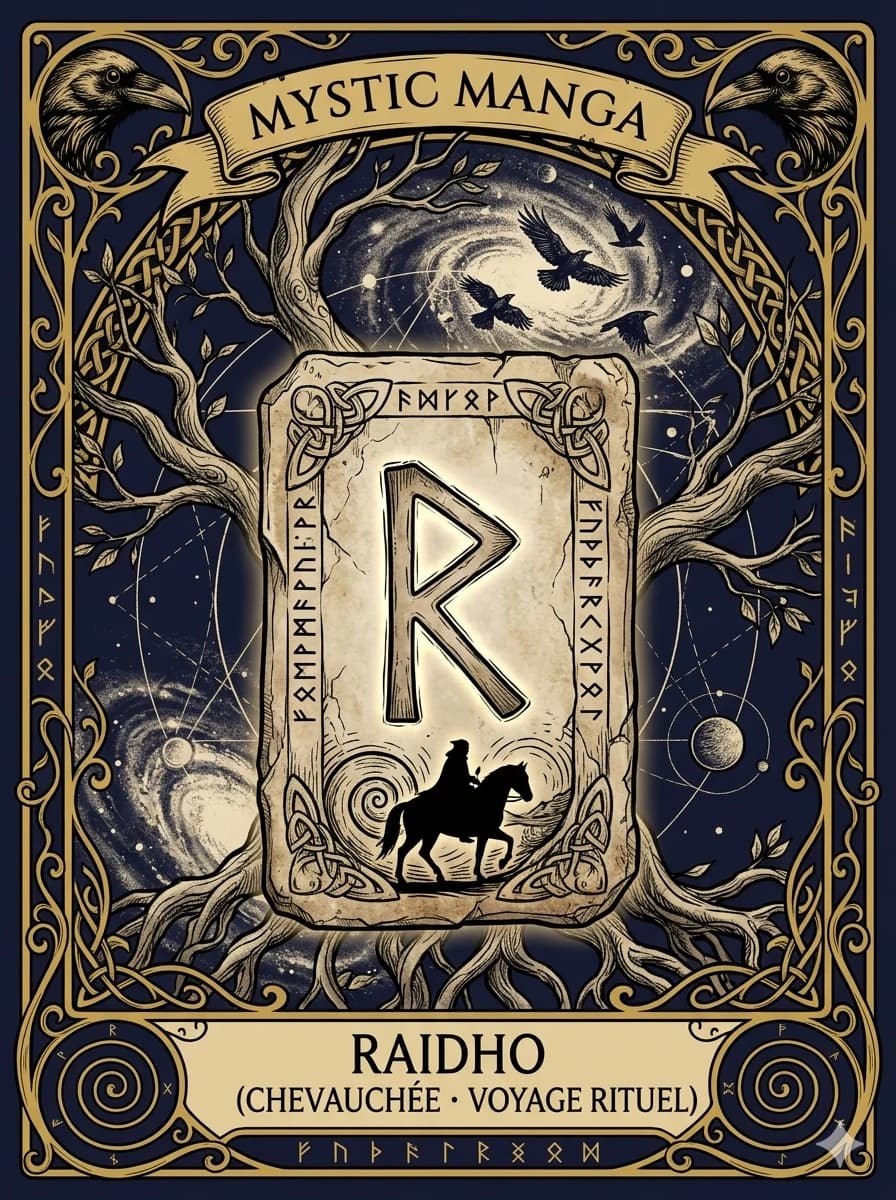
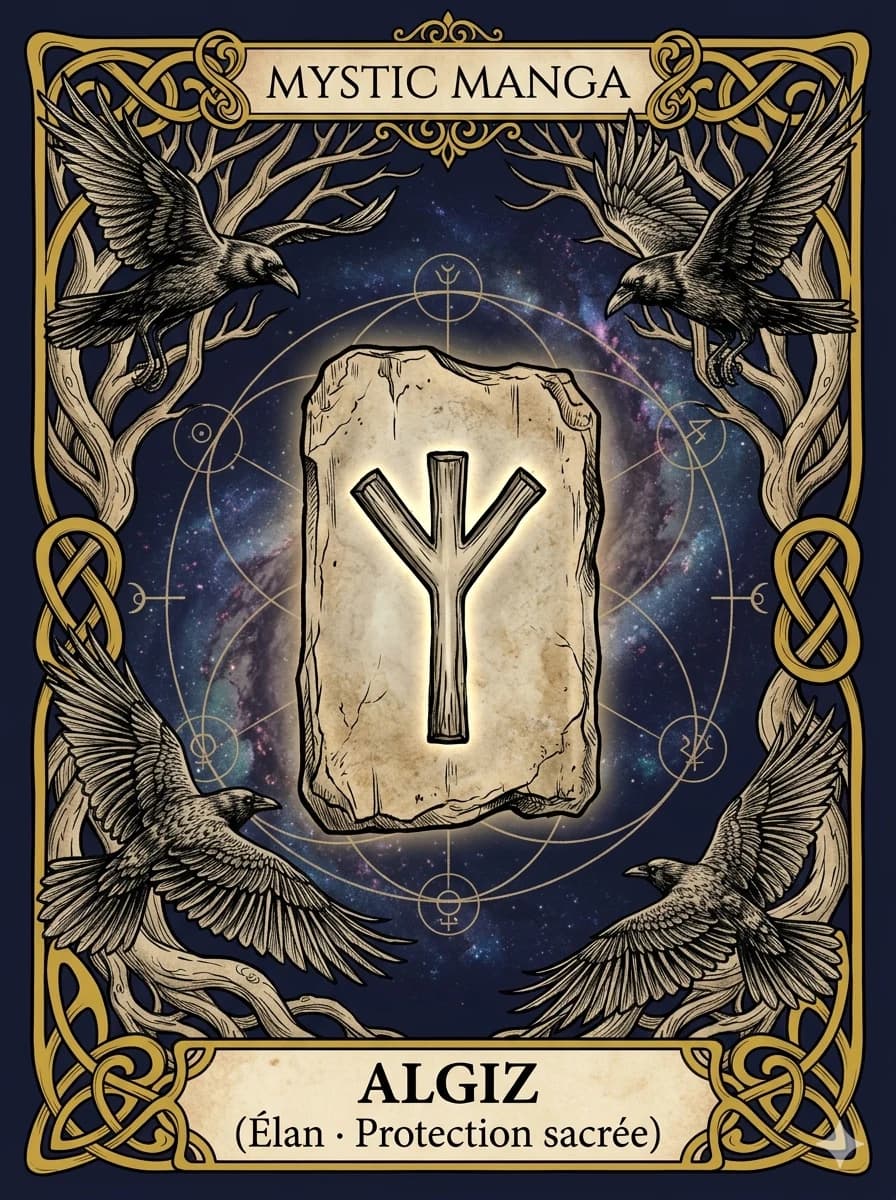
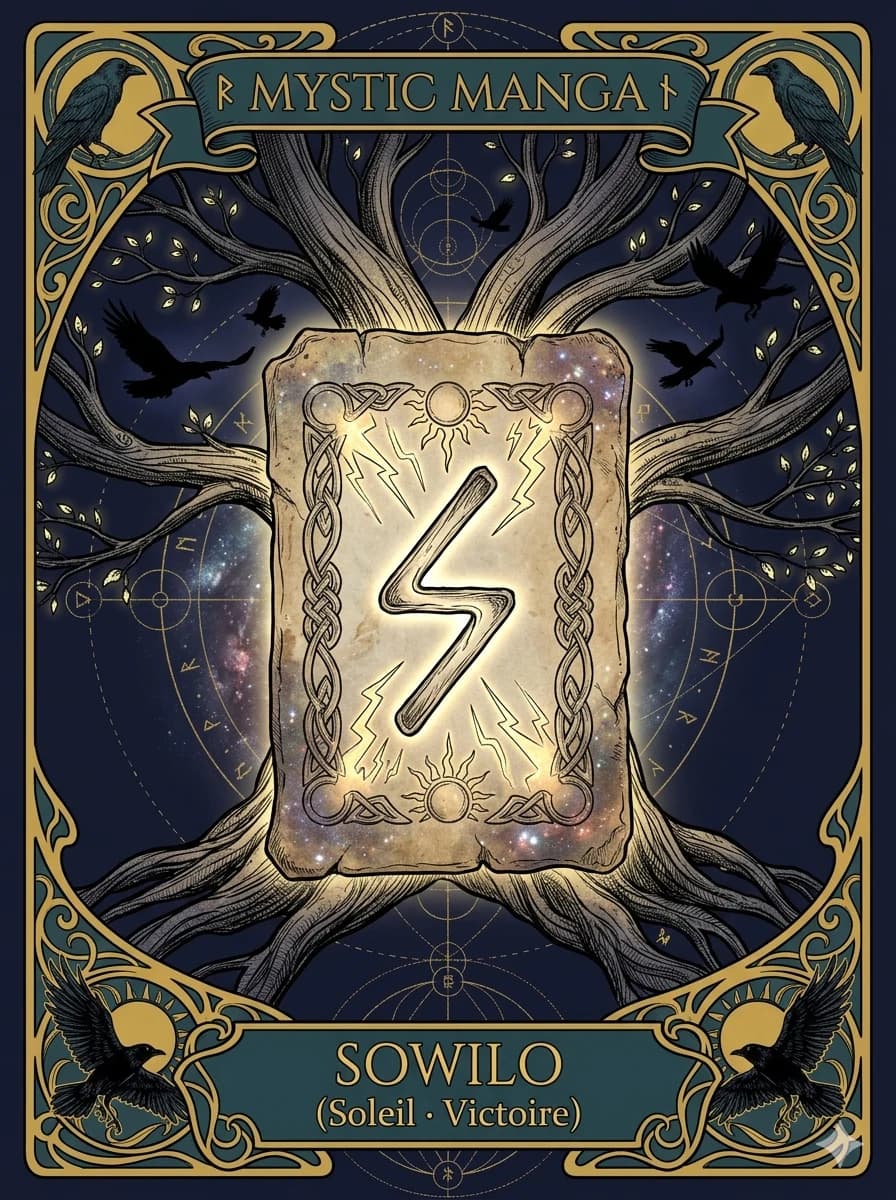
There is no universal consensus on a single 'most powerful' rune. Raidho (cosmic order), Sowilo (solar force, vitality) and Algiz (protection) are among the most frequently cited in Nordic divinatory traditions. Each rune carries its own energy; its significance depends on the context of the reading and the question asked.
What is the difference between Elder Futhark and Younger Futhark?↓
The Elder Futhark (24 runes) is the original runic alphabet, used from the 2nd to the 8th century CE. The Younger Futhark (16 runes) is a simplified version that emerged around 700–800 CE in Scandinavia: paradoxically fewer runes despite the increasing complexity of the Old Norse language. Contemporary rune divination relies primarily on the Elder Futhark.
Sunday Reading 🌙
One card, one intention, every Sunday morning.