Tarot Oracle
🃏 The Hall of CardsIn short
How do I get a free tarot reading?
Choose a spread (single card, three cards, cross, or the 10-card Celtic Cross), focus on your question, then reveal the cards one by one. Mystic Manga uses the full 78 cards, 22 Major Arcana and 56 Minor Arcana, with an AI interpretation, free and without sign-up.
Focus on your question, then choose your spread.
Major Arcana
The 22 archetypes of the soul's journey: from The Fool to The World.
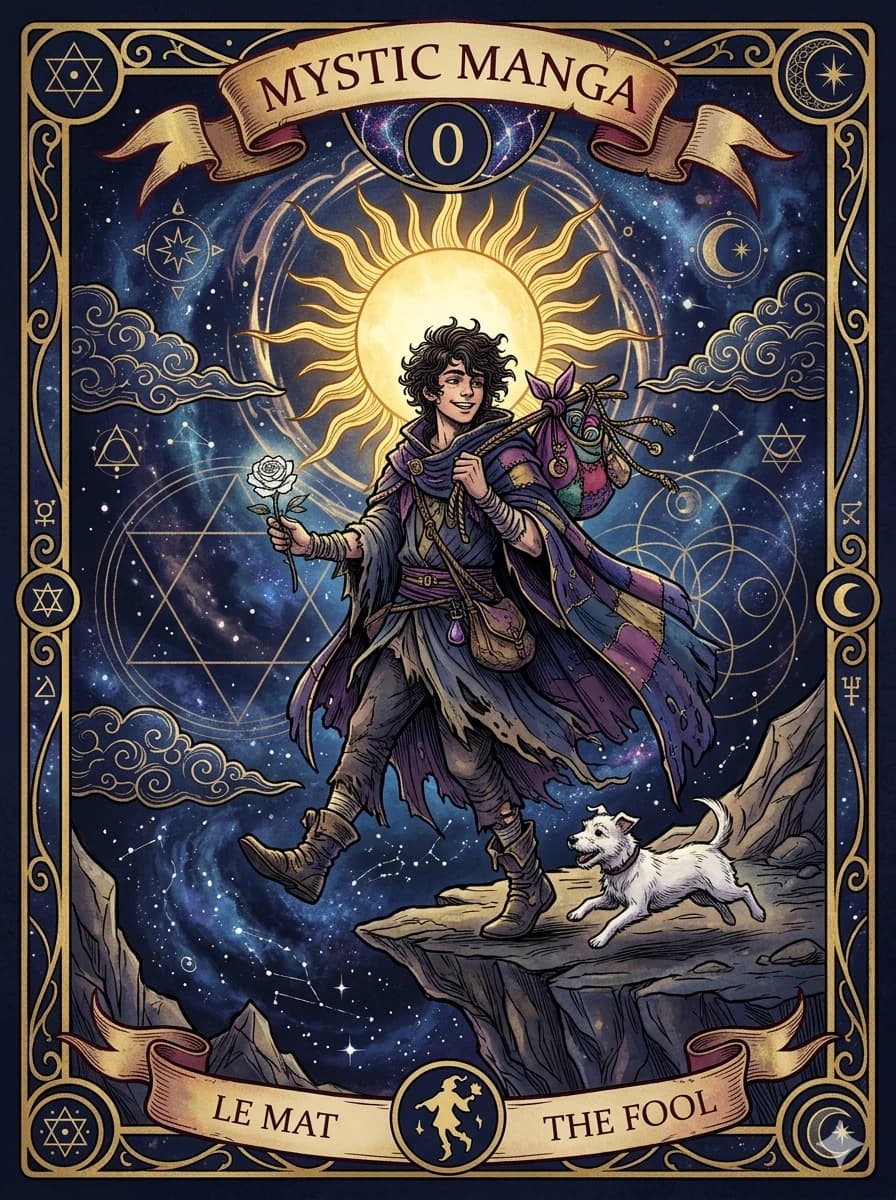
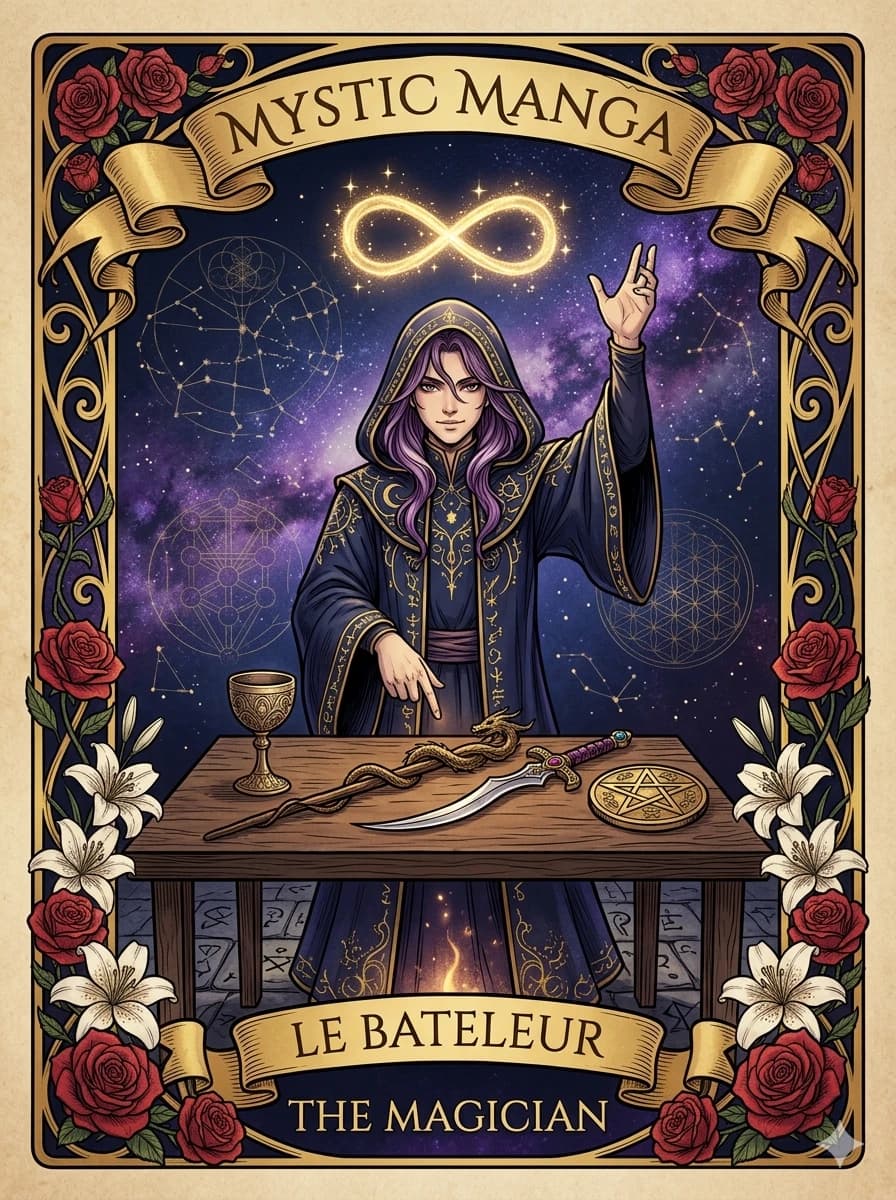
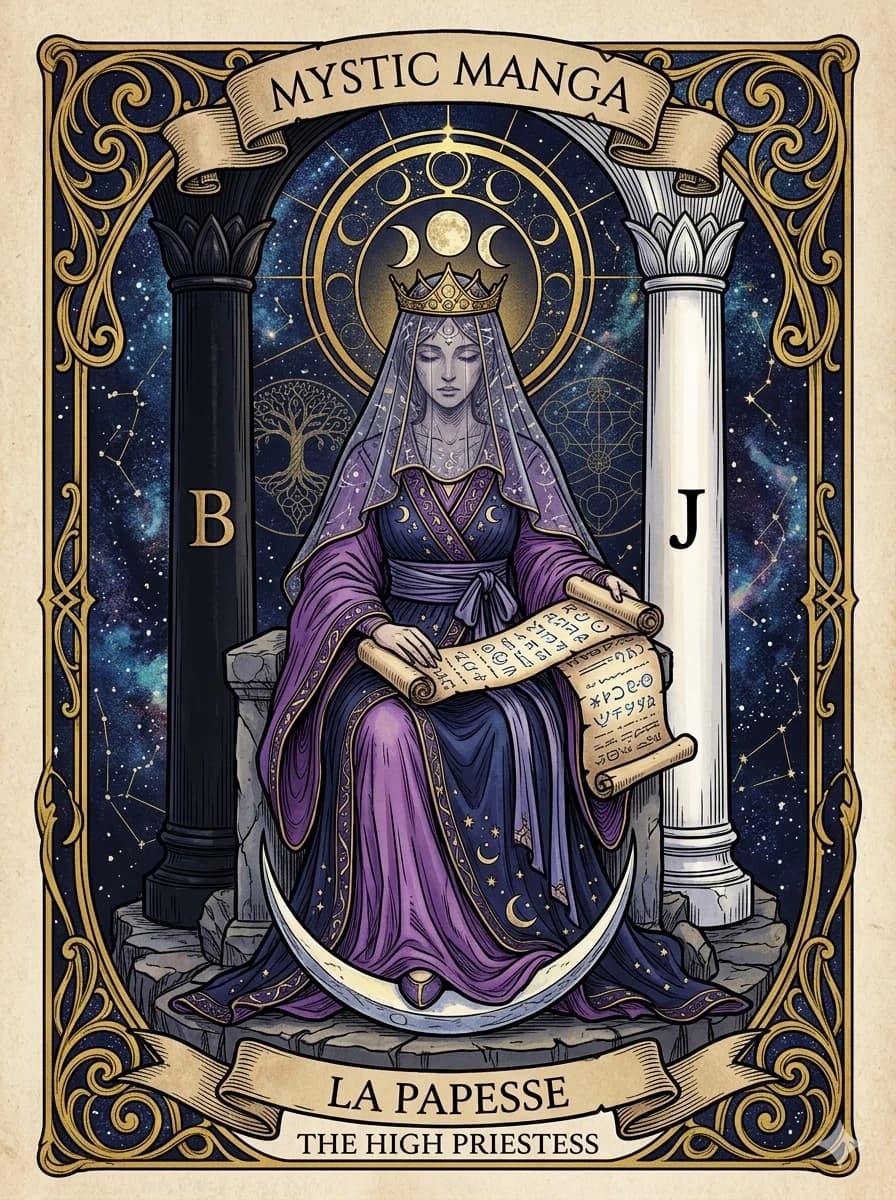
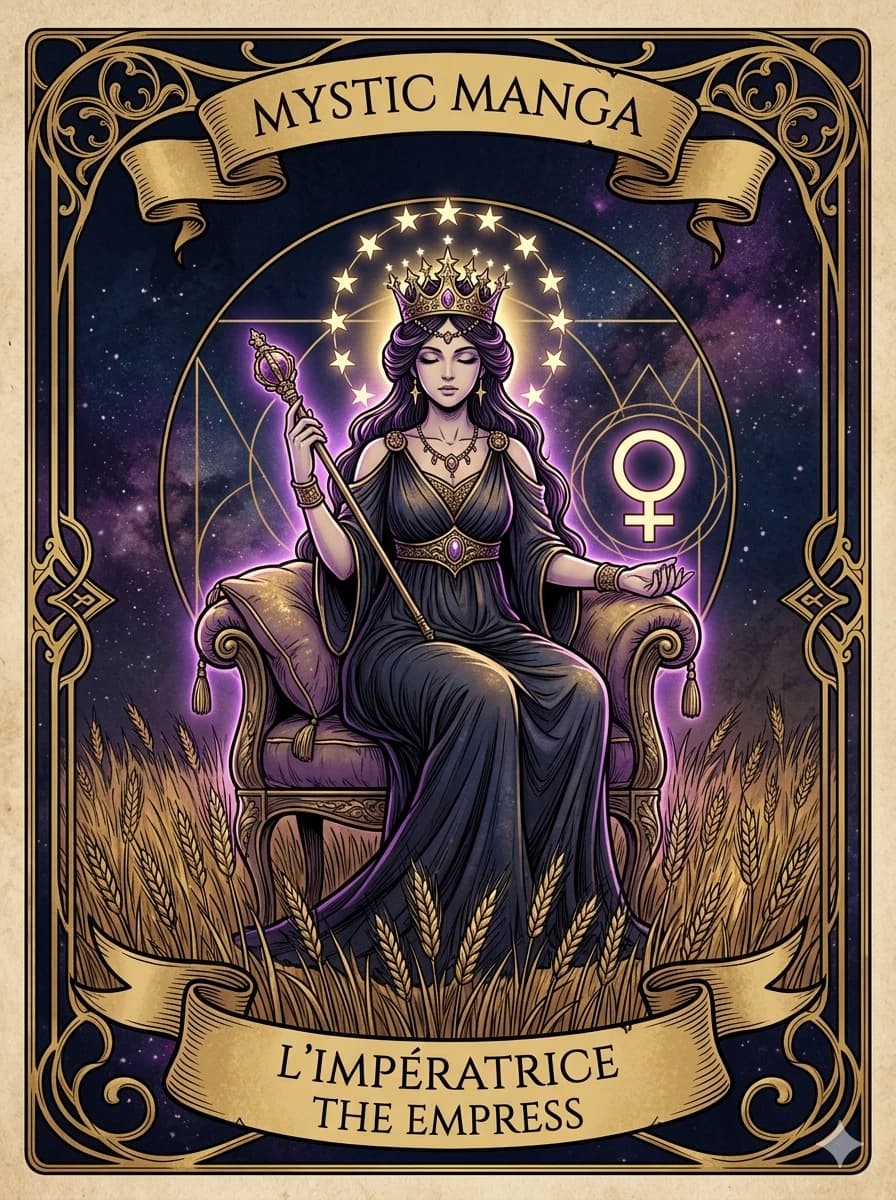
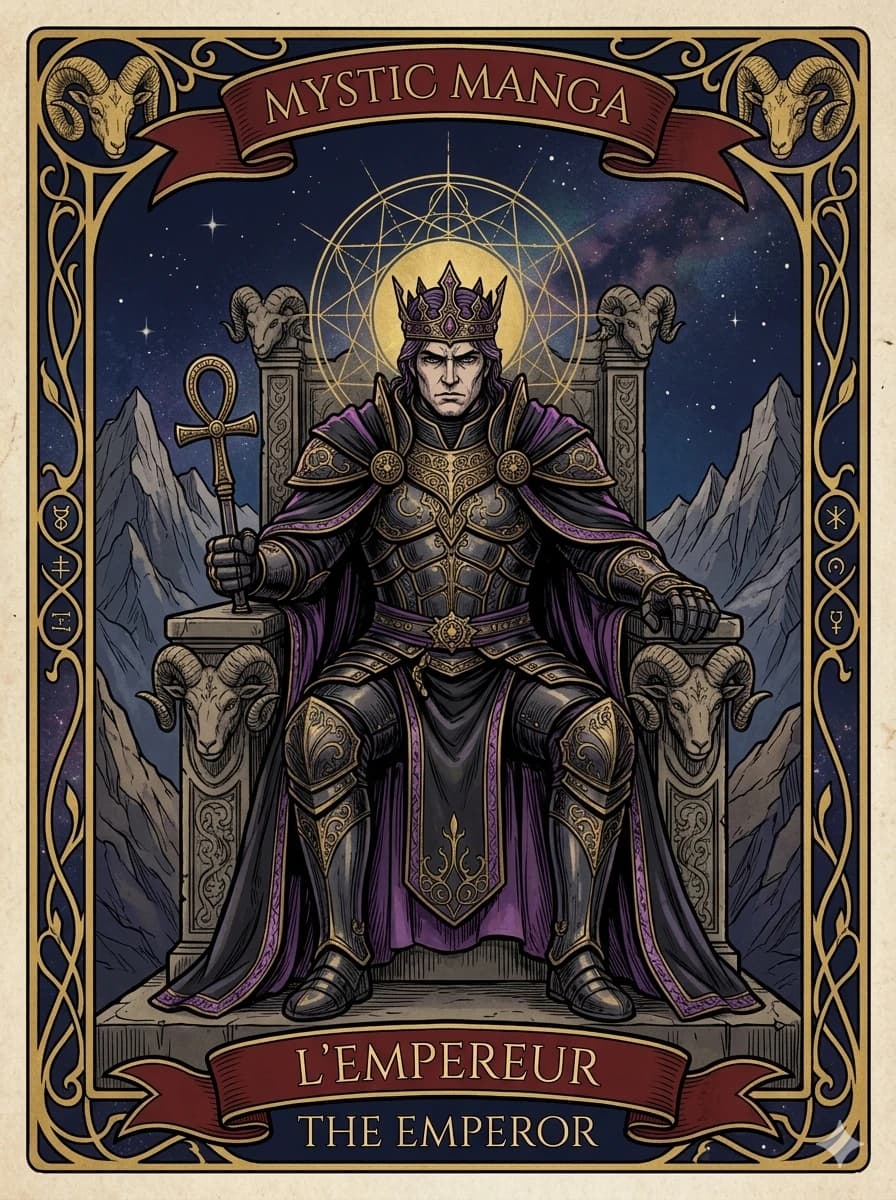
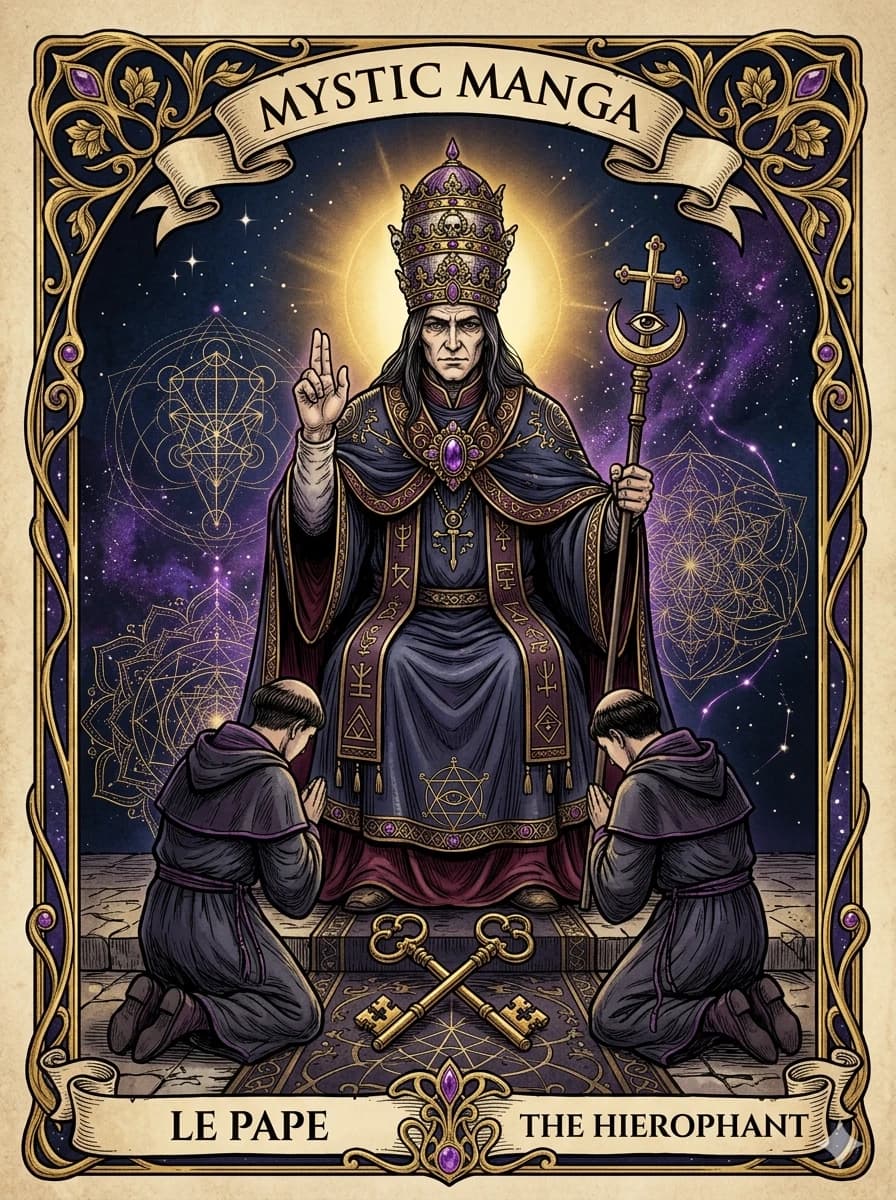
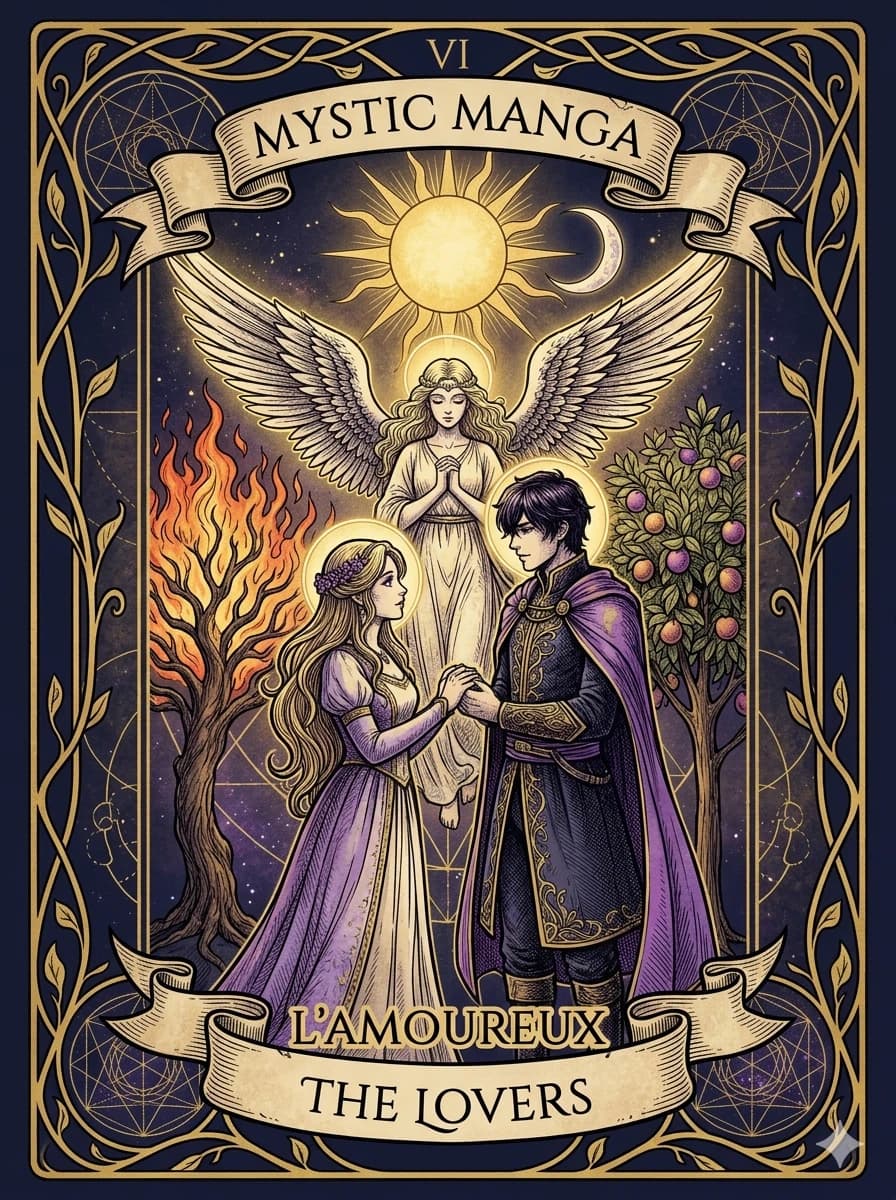
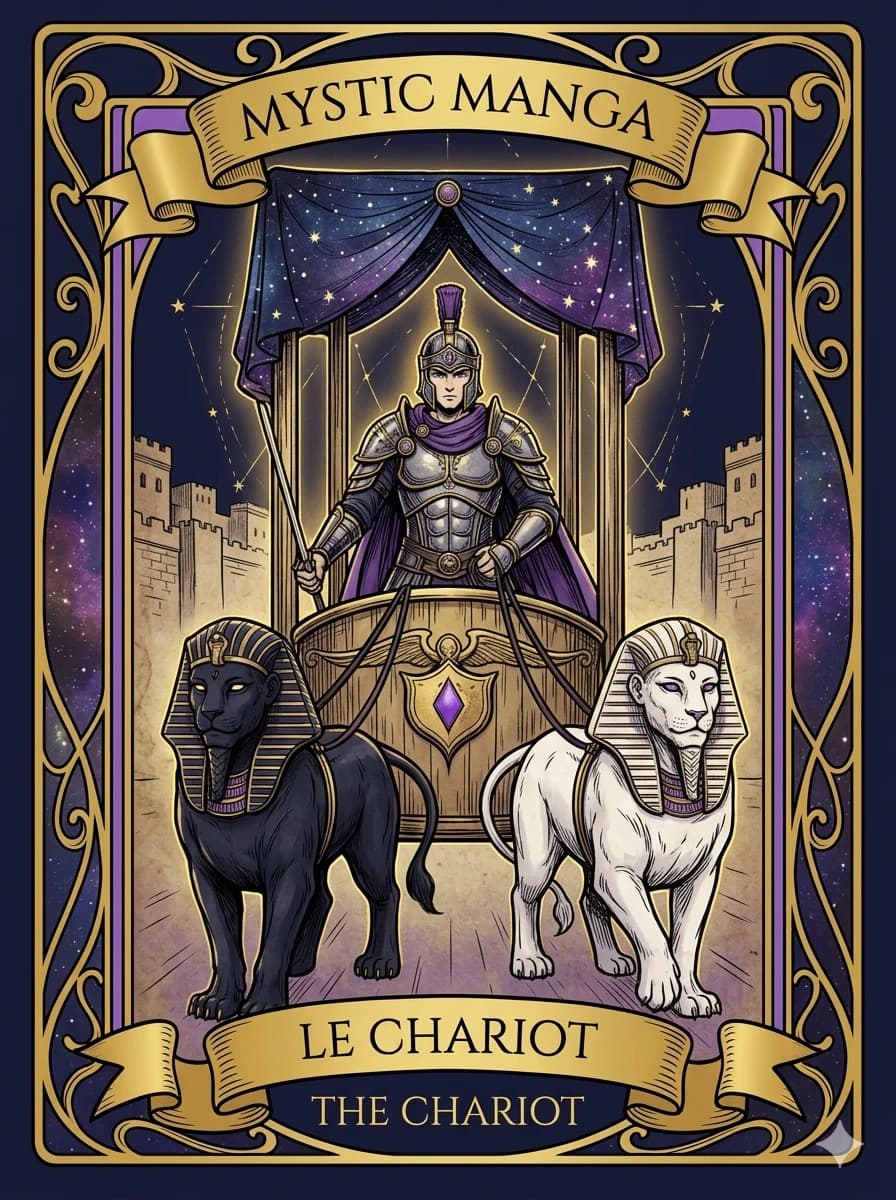
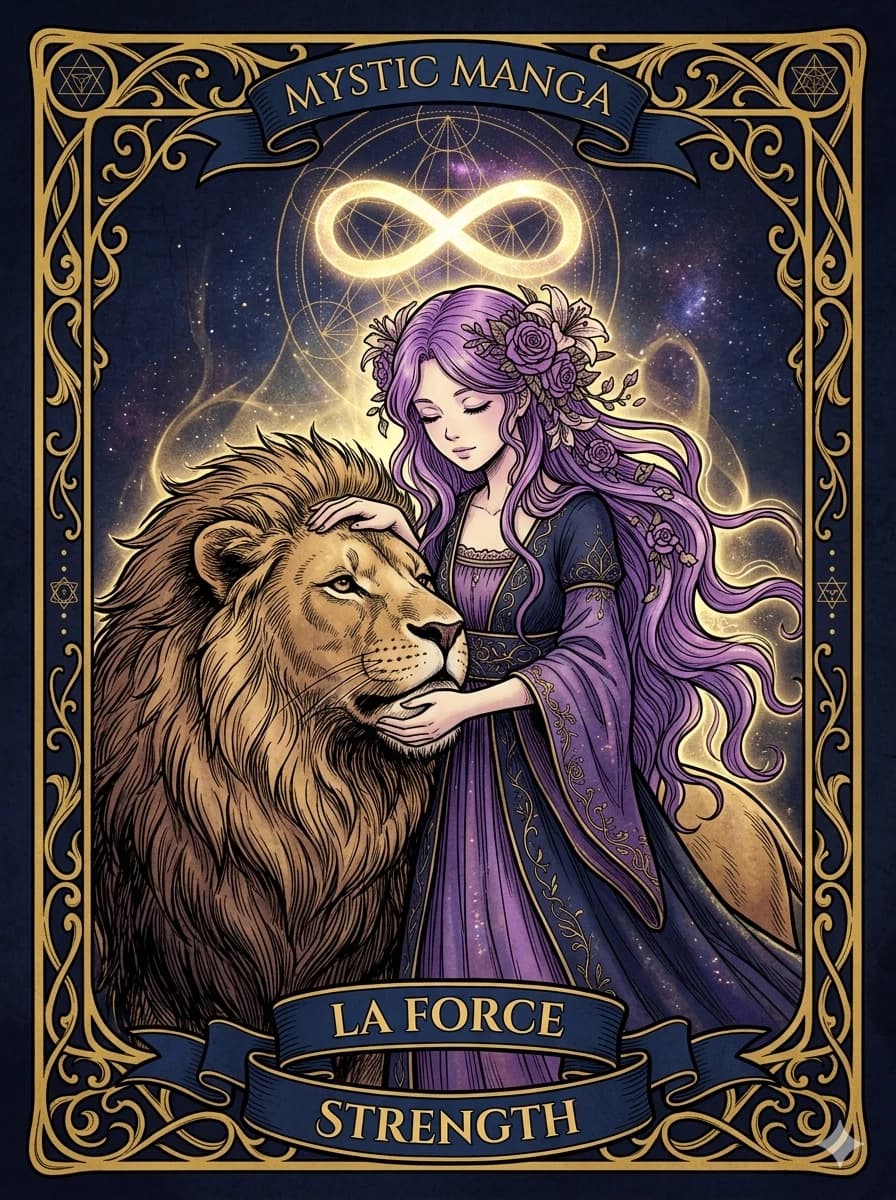
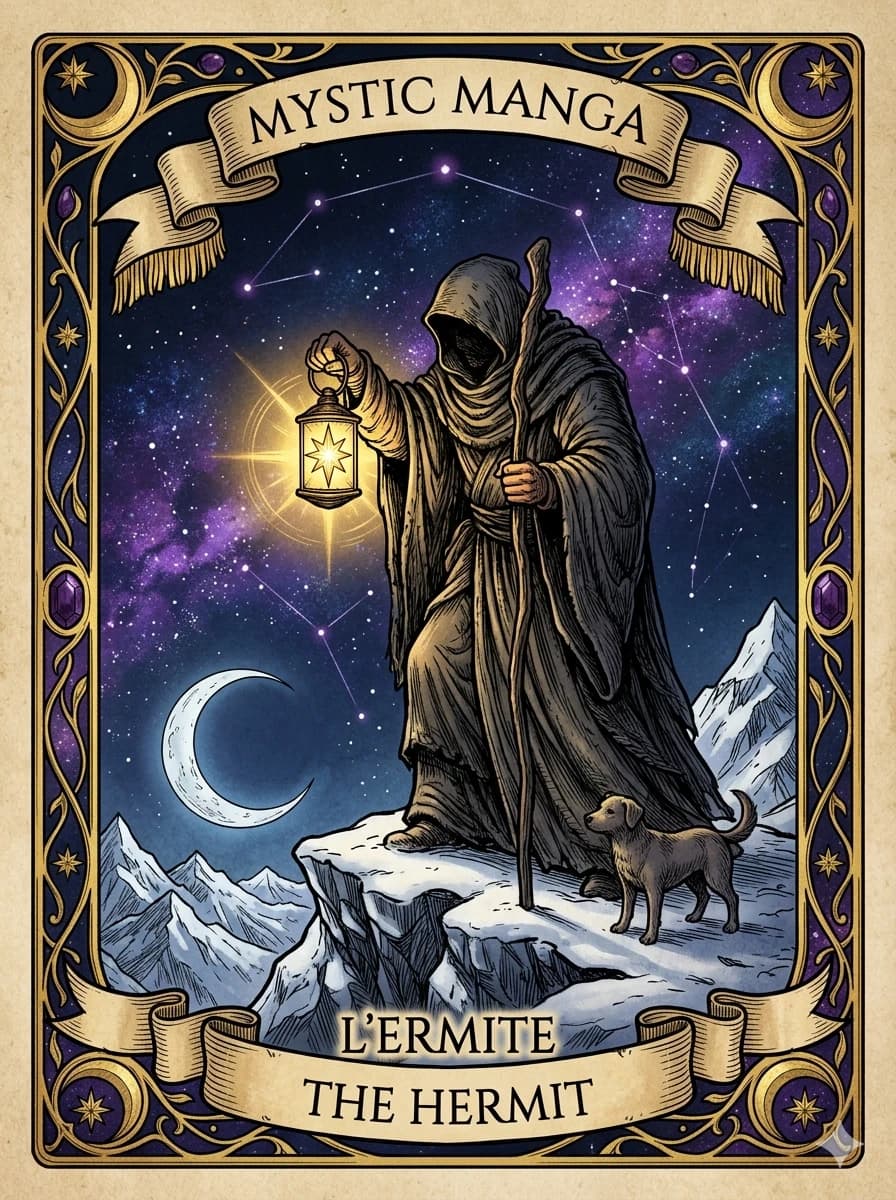
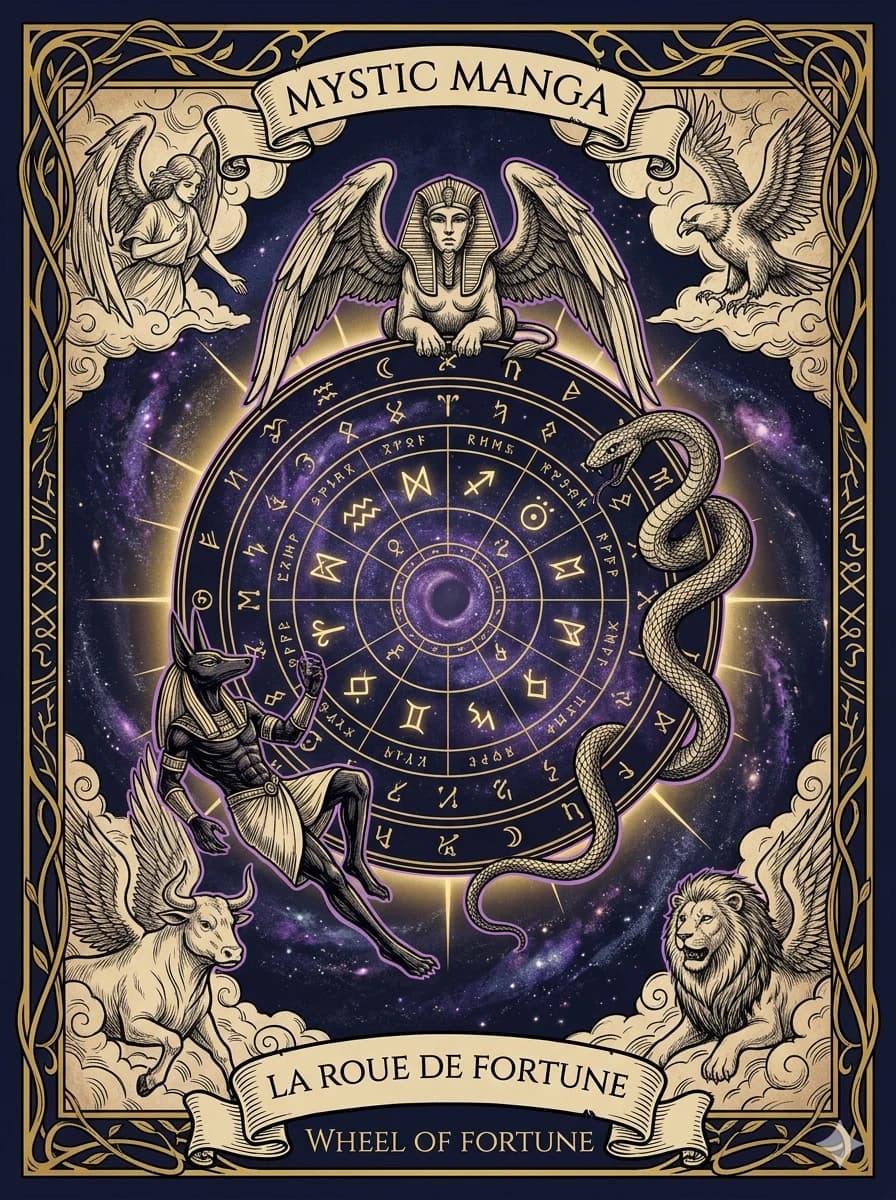
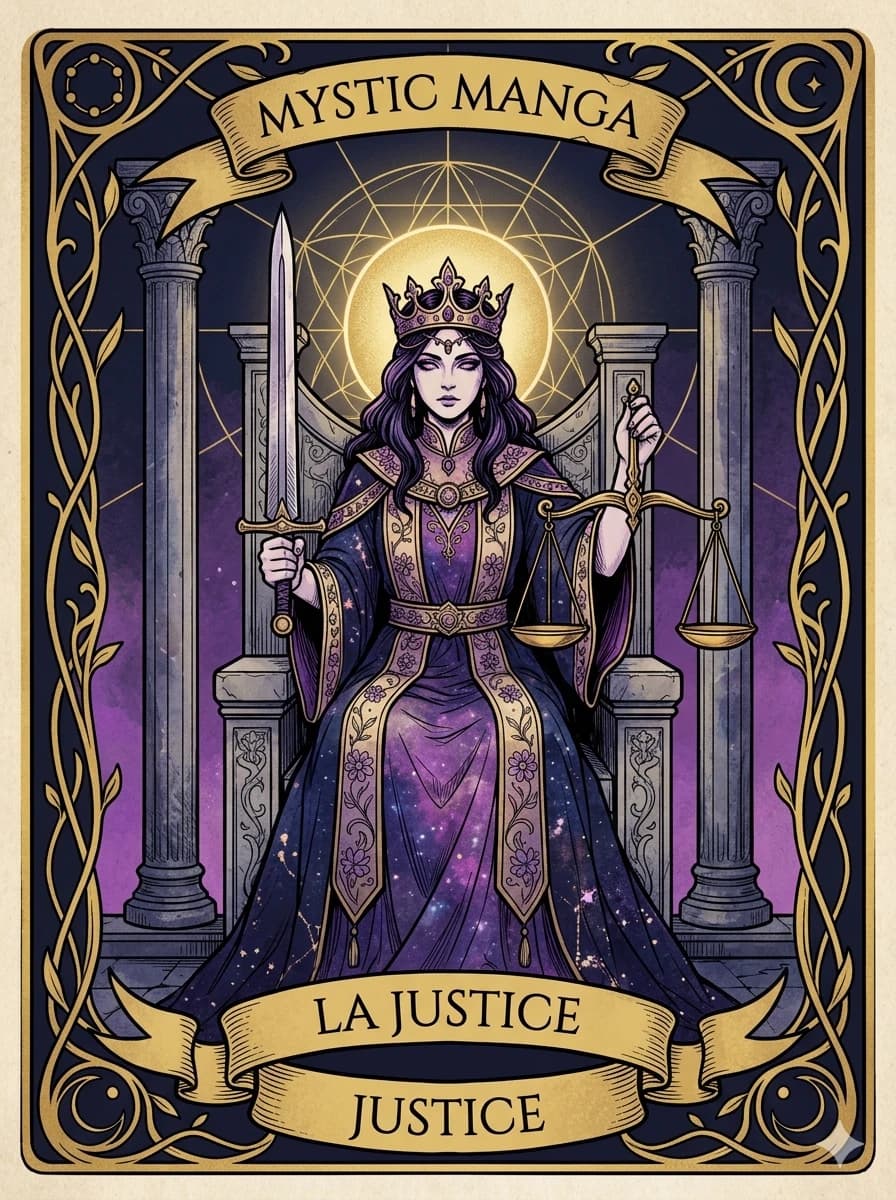
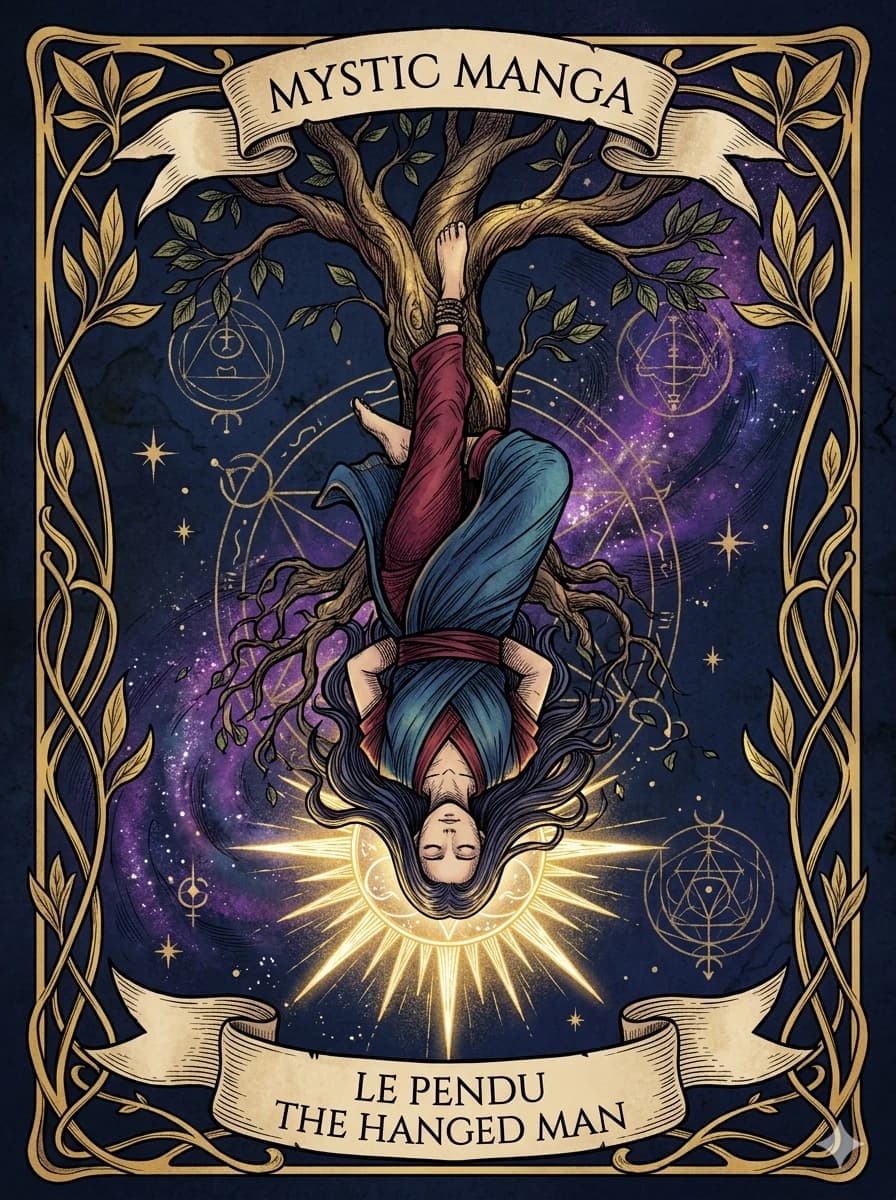
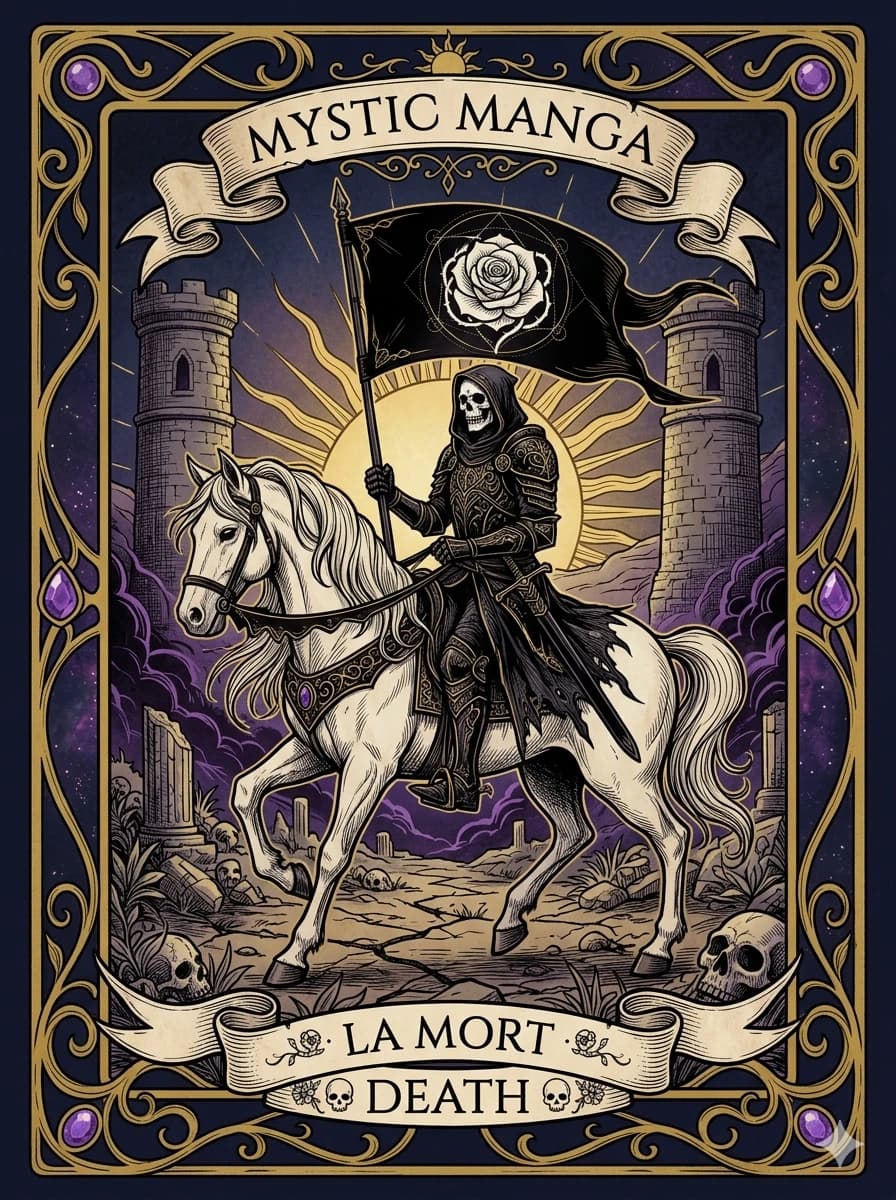
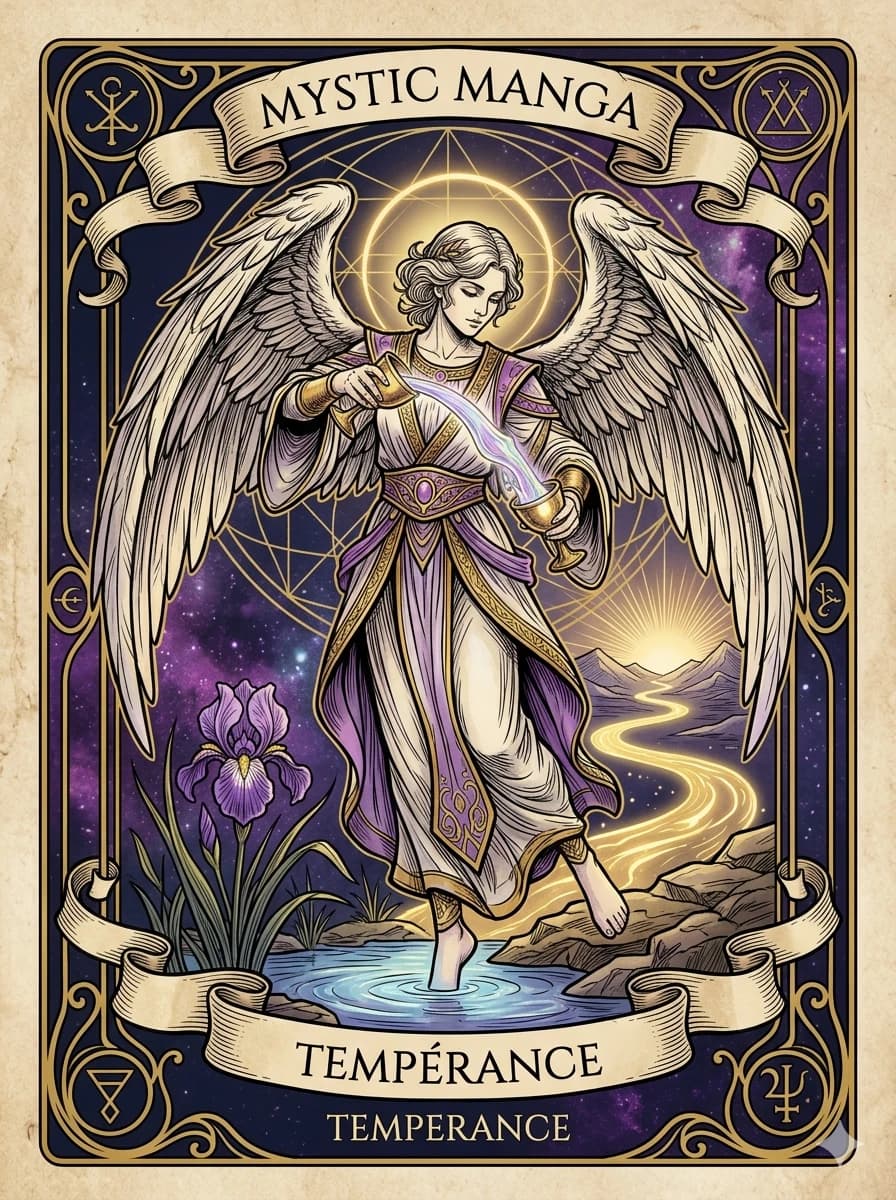
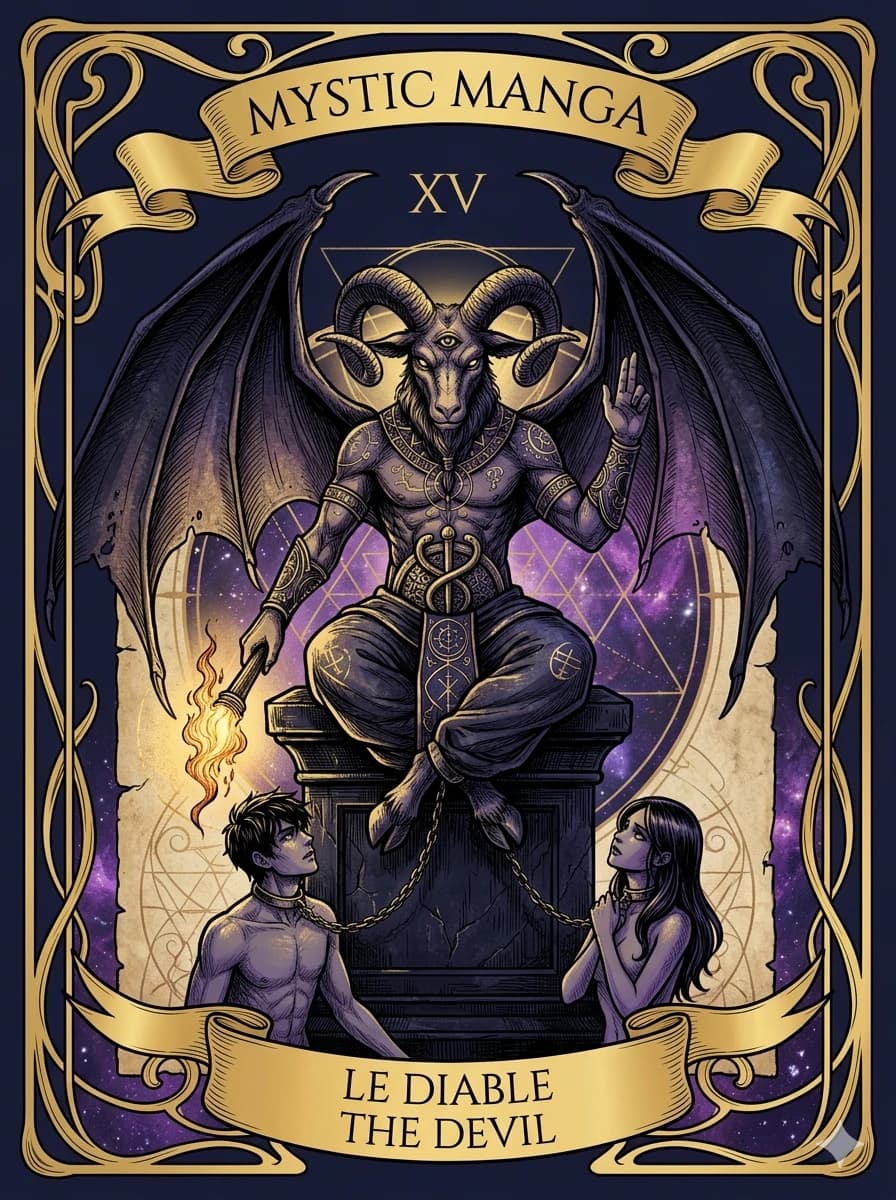
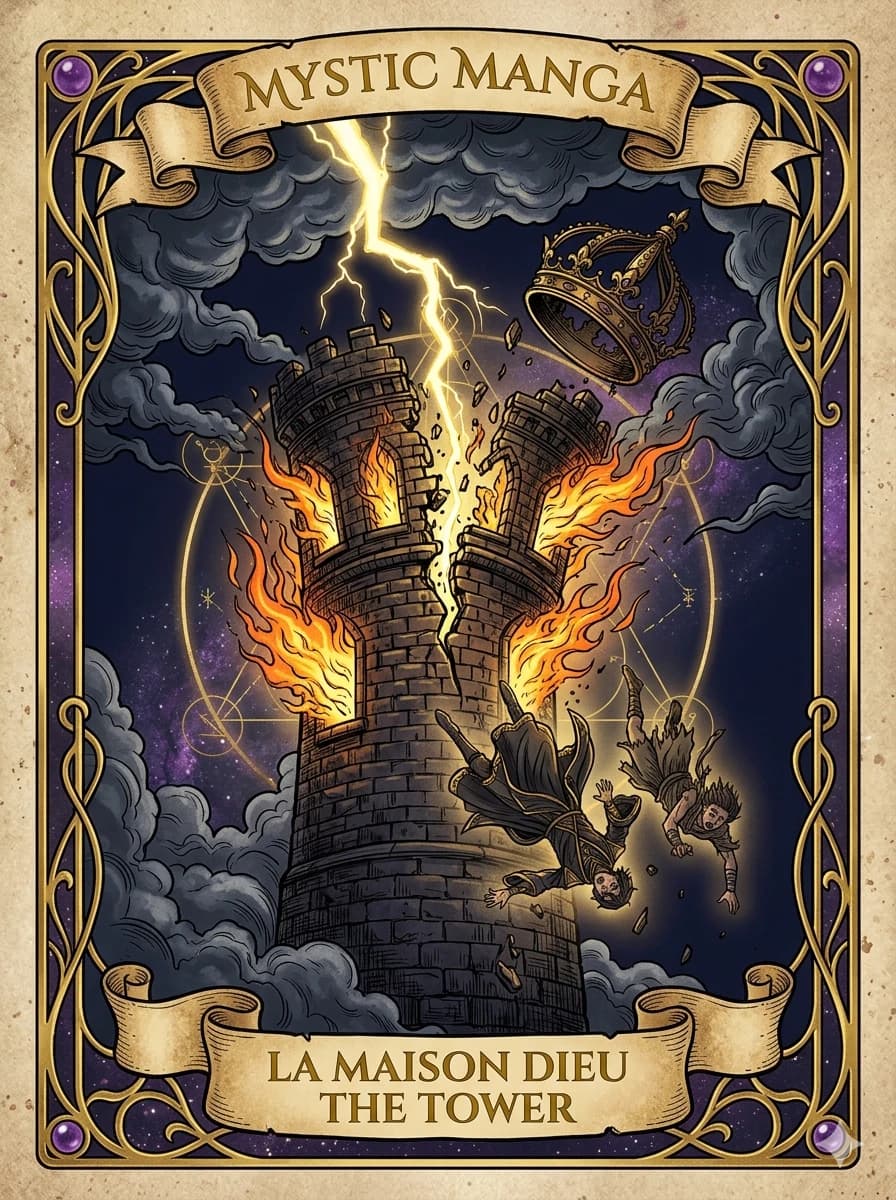
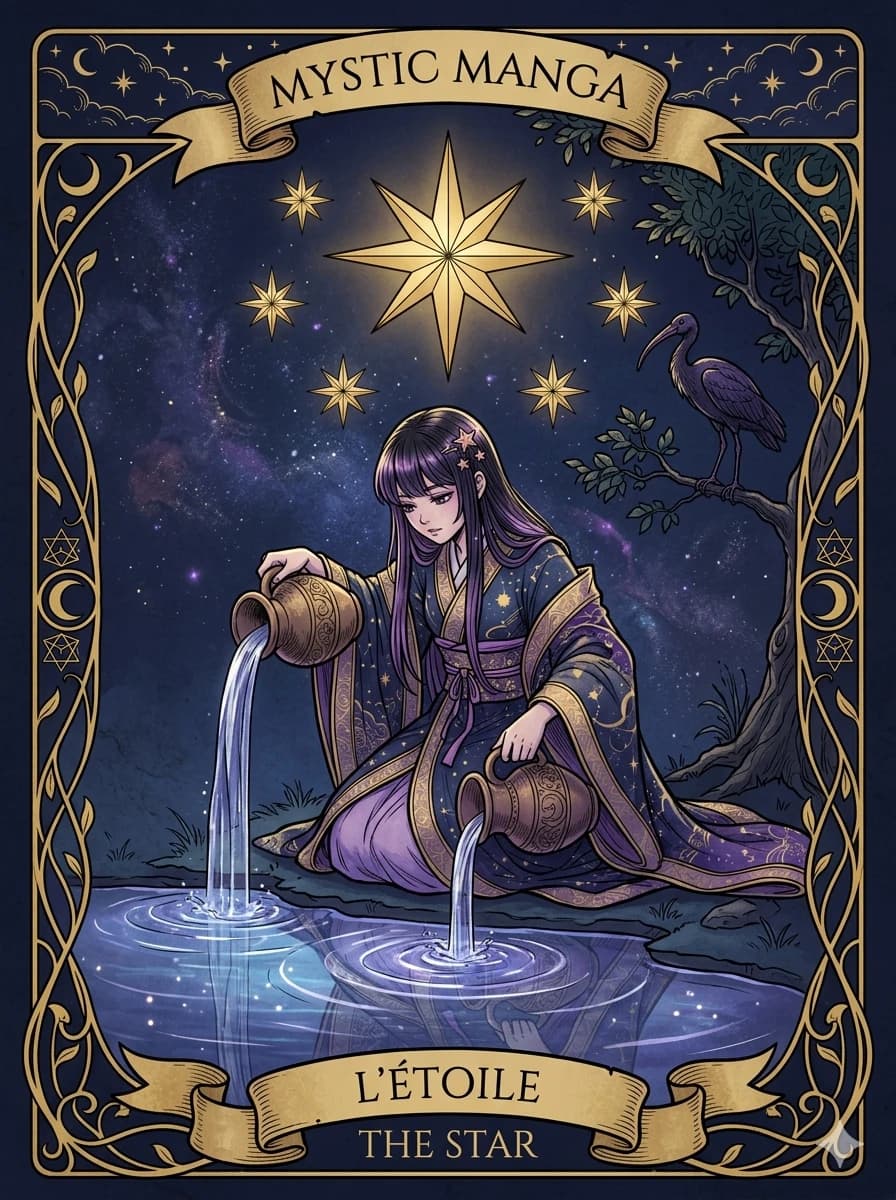
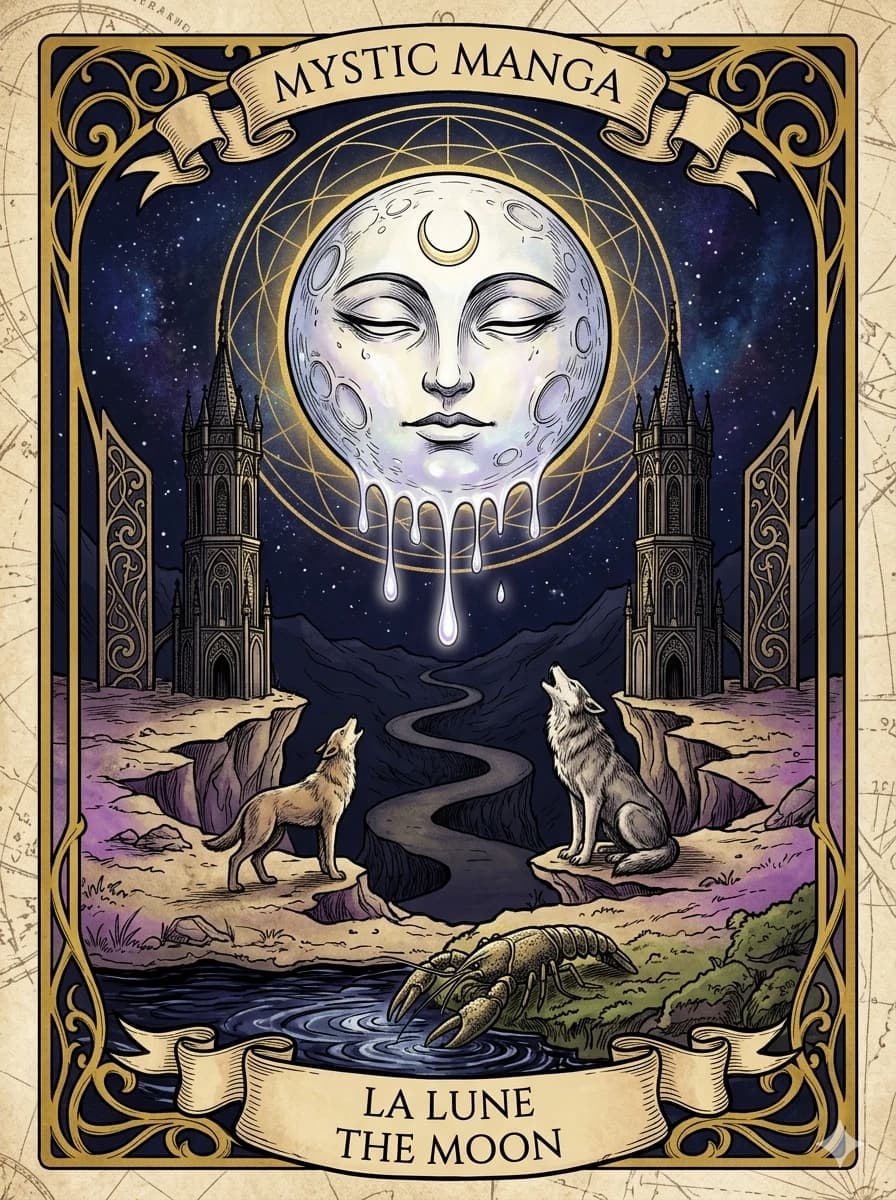
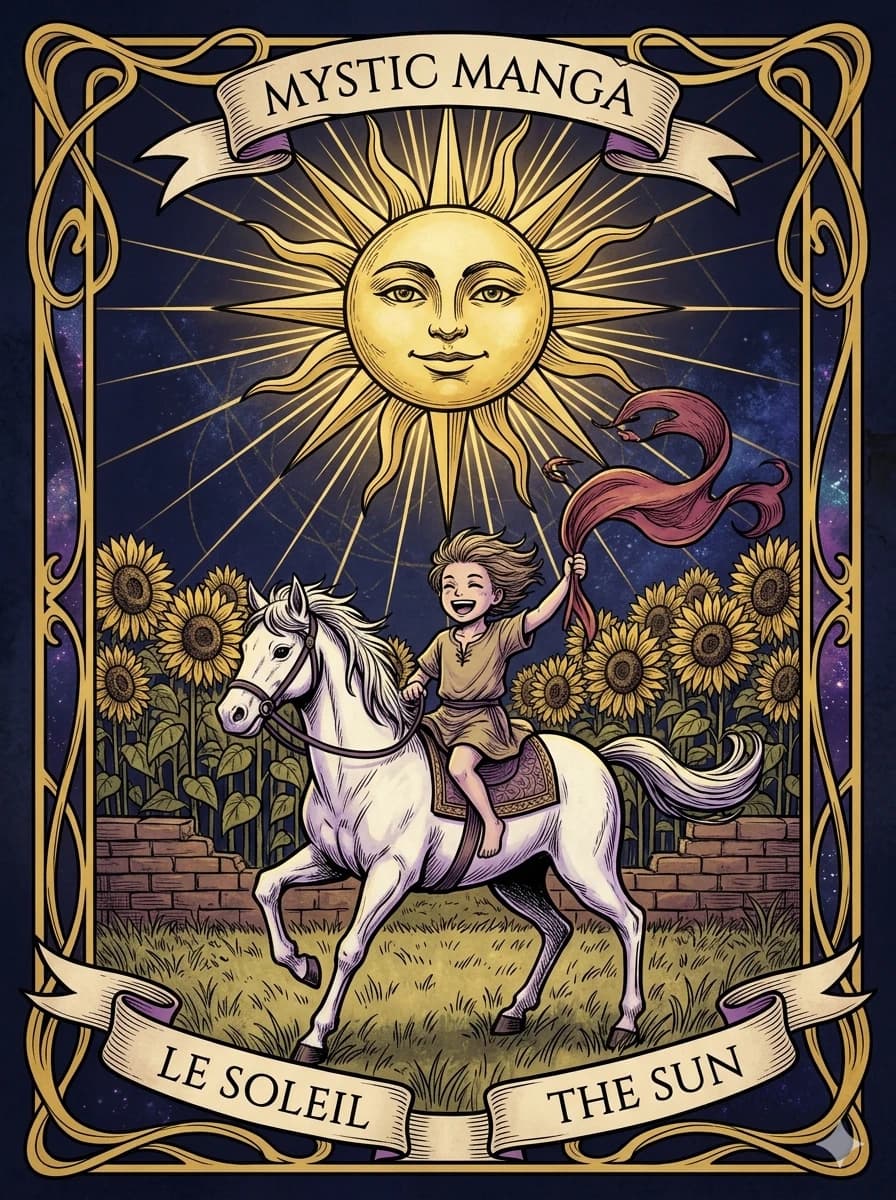
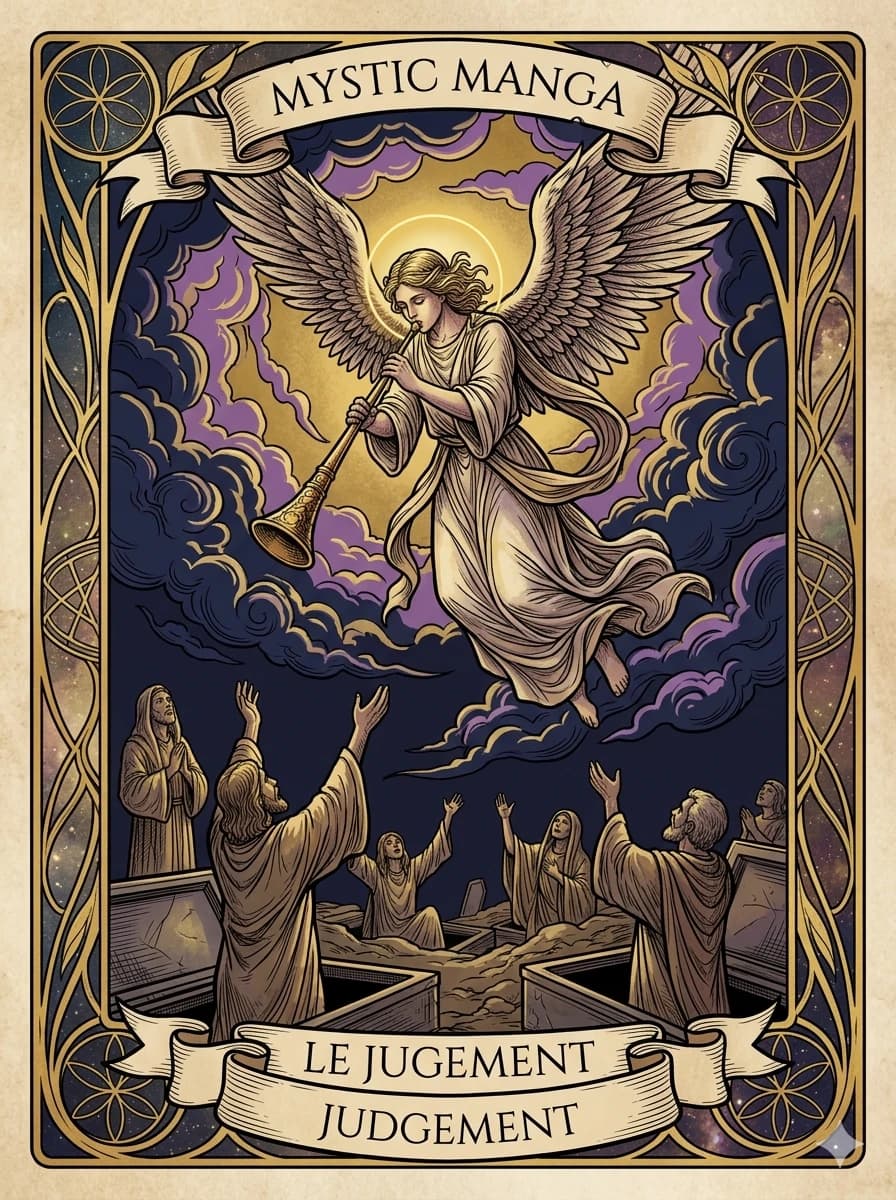
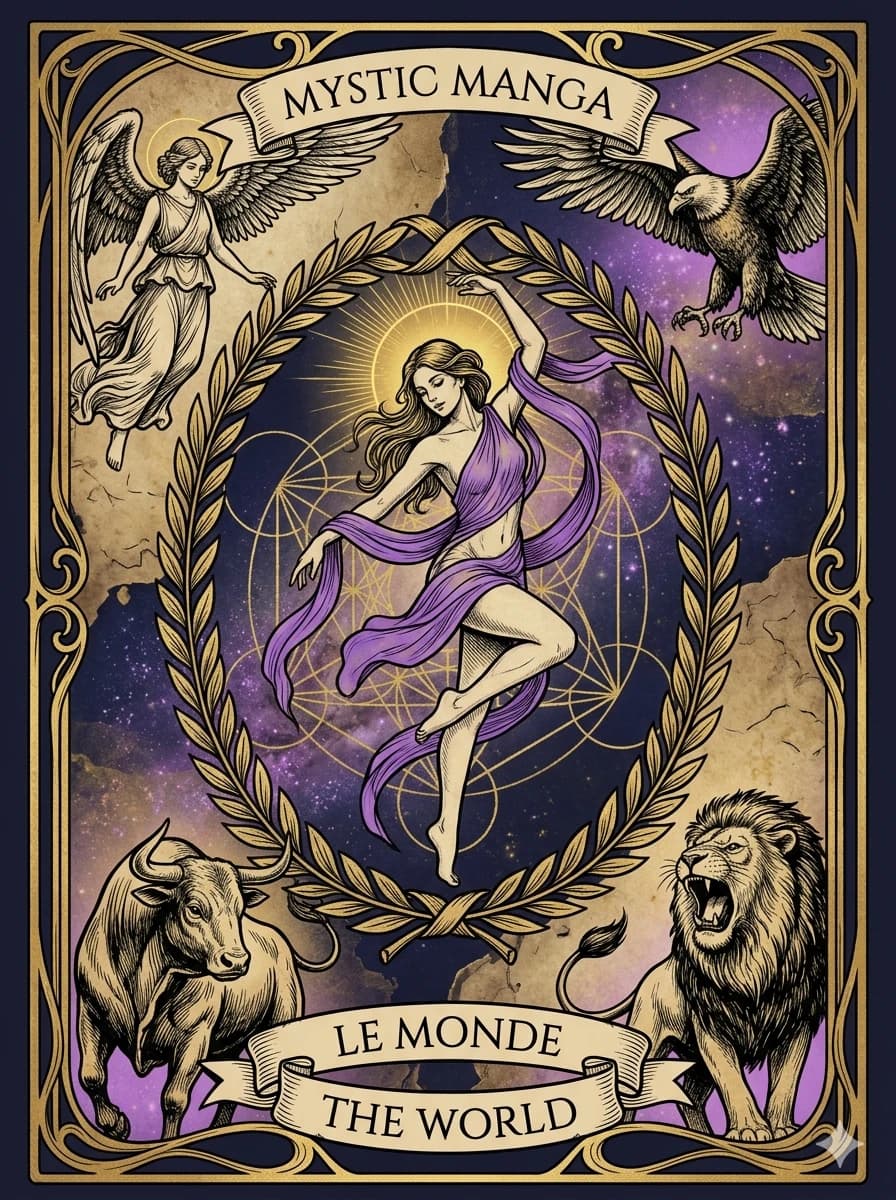
The Fool's Journey
The 22 Major Arcana are not a random catalogue. They tell a single story. The Fool (card 0) walks through every archetype and returns home transformed. Read in order, the deck becomes a mythography of awakening.
The Earthly Realm
From The Fool's leap (0) through The Magician, High Priestess, Empress, Emperor, Hierophant, Lovers and Chariot: the soul learns identity, polarity, will and direction in the material world.
The Inner Journey
Strength, The Hermit, Wheel of Fortune, Justice, The Hanged Man, Death, Temperance: confrontation with the self: courage, solitude, cycles, ethics, surrender, transformation, integration.
The Spiritual Awakening
The Devil, The Tower, Star, Moon, Sun, Judgement, The World: shadow work, sudden rupture, hope, the unconscious, joy, calling, and finally wholeness. The Fool returns home, having become.
Minor Arcana: The Four Suits
56 cards split across four elemental suits, each ruling a domain of daily life.
Wands
Fire
Action, willpower, passion, creativity.
What we do, where we burn.
Cups
Water
Emotions, love, intuition, relationships.
What we feel, where we bond.
Swords
Air
Mind, conflict, truth, decision.
What we think, where we cut.
Pentacles
Earth
Money, body, work, manifestation.
What we build, where we land.
A Brief History
Tarot cards first appeared in 15th-century northern Italy, not as a divinatory tool but as a card game called tarocchi, played at the courts of Milan, Ferrara and Bologna. The earliest surviving decks (Visconti-Sforza, c. 1450) were hand-painted treasures, not mass-produced cards.
The shift from game to oracle came in 18th-century France. Antoine Court de Gébelin and the mysterious occultist Etteilla reframed the deck as a fragment of ancient Egyptian wisdom: a claim now considered romantic invention, but one that seeded centuries of esoteric interpretation.
The modern English-speaking tradition crystallised in 1909 with the Rider-Waite-Smith deck. Designed by occultist A.E. Waite and illustrated by Pamela Colman Smith, both initiates of the Hermetic Order of the Golden Dawn, it was the first widely-published deck where every Minor Arcana card carried a full illustrated scene.
Frequently Asked Questions
Is the tarot reading really free?
Yes. Mystic Manga offers 8 unlimited free tarot spreads. Single Card, Yes/No, Past-Present-Future, Love, Career, 5-card Cross, Relationship spread, and the full 10-card Celtic Cross. No credit card required.
How many cards are in a Tarot deck?
78 cards total: 22 Major Arcana (from The Fool to The World: the initiatory journey) and 56 Minor Arcana split across four suits: Cups (water, emotions), Pentacles (earth, matter), Swords (air, mind), Wands (fire, action).
What is the difference between Rider-Waite and Marseille Tarot?
The Rider-Waite-Smith (1909) features fully illustrated scenes on all 78 cards, making intuitive reading easier for beginners. The Marseille Tarot (15th-century French tradition) uses more geometric, numerological symbolism on its minors. Mystic Manga supports both.
Which spread should I choose for my first reading?
The Single Card draw is ideal to start: one card, one clear daily guidance. For deeper exploration of a situation, Past-Present-Future remains the most popular spread.
What do reversed cards mean?
A reversed card (drawn upside down) shifts the polarity of its upright meaning. It can signal blockage, internalisation, the shadow side of the archetype, or a lesson being delayed. Some readers ignore reversals entirely; others treat them as critical signals. Trust the system that resonates with your practice.
Can tarot predict the future?
Tarot is best understood as a mirror of the present moment: the energies, patterns and unconscious currents shaping a situation. It does not predict a fixed future; it reveals the trajectory you are on so you can choose to continue or pivot. Free will remains primary.
Who created the Rider-Waite deck?
The deck was designed by occultist Arthur Edward Waite and illustrated by artist Pamela Colman Smith. Published in 1909 by the Rider Company in London: hence Rider-Waite-Smith. It remains the most influential tarot deck in the modern English-speaking world.
Other divination tools:
Sunday Reading 🌙
One card, one intention, every Sunday morning.
Your next ritual
Read your daily horoscope
Carry this spread forward with today's energy for your sign.
Explore further
Your 2027 Tarot Year Card
Birth day and month, one card for the year
🃏Marseille vs Rider-Waite
Unillustrated pips vs narrative scenes: which to learn
⚓Lenormand Never Used That Deck
A Nuremberg board game from 1799, renamed after she died
📜Papus and the Tarot of the Bohemians
The 1889 method, and the Egypt story it got wrong
🃏Etteilla: The First Deck Made to Be Read
1789, keywords on the face and reversals as real words
🔢Numerology
The language of numbers
ᚠRunes
24 runes of the Elder Futhark
📜Wisdom Codex
Deep esoteric articles
👁️Psychic Senses
Clairvoyance, mediumship, pendulum: what they are